World
Fresh strikes test fragile US-Iran ceasefire across the Middle East
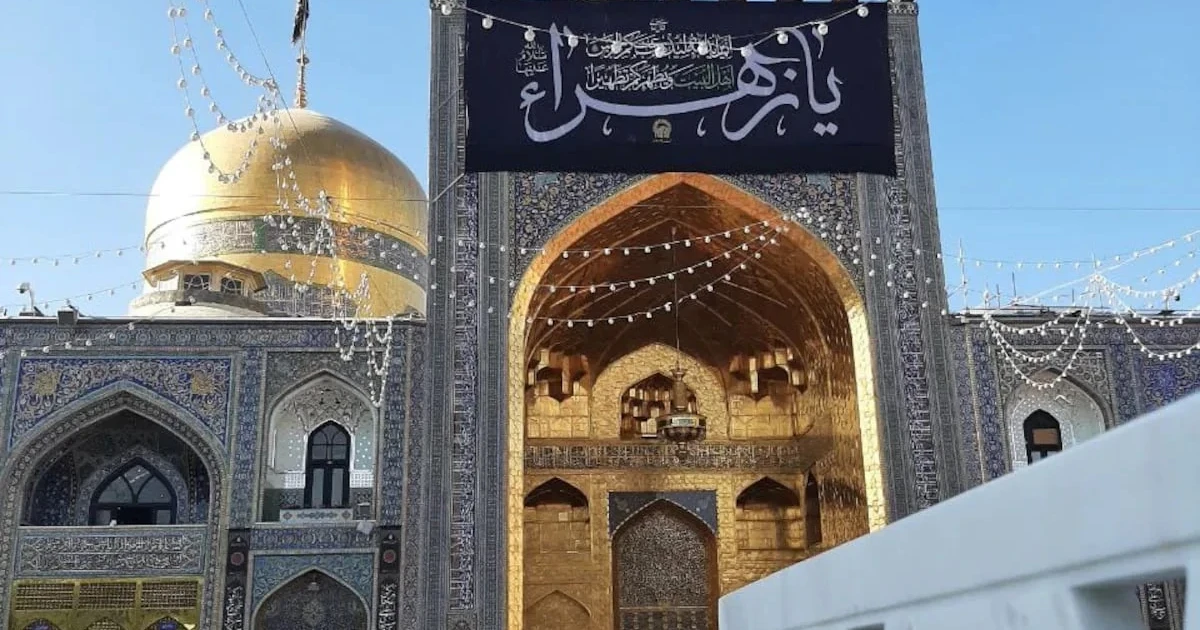
U.S. strikes on July 8 and 9 hit five Iranian provinces, killing at least 14 people and injuring 78, Iran’s Health Ministry said, with 47 of the wounded still hospitalized. Health Ministry spokesman Hossein Kermanpour posted the figures on X as the Tehran-Mashhad railway service was suspended and travel to Mashhad was disrupted during the burial of Ali Khamenei at the Shrine of Imam Reza.
The latest attacks pushed the conflict deeper into civilian infrastructure and away from any narrow battlefield logic. Iranian and international reports said the strikes hit rail infrastructure, including railway bridges and the Tehran-Mashhad line, while earlier in the war the fighting had already expanded beyond Iran’s borders to Gulf shipping and to Iranian and U.S.-linked targets across the region. The bridge and rail strikes matter because they mark a shift from isolated retaliation to attacks on the transport links that move people, military supplies and political symbolism.
The war had already been moving for months. A timeline of the conflict says it began after opening U.S.-Israeli strikes killed Iran’s supreme leader on February 28, 2026. In June, the United States and Iran reached an agreement that was supposed to potentially end the fighting, but major questions remained. The new strikes made clear that the agreement had not created a durable stop to hostilities and that both sides still had the ability to change facts on the ground within hours.
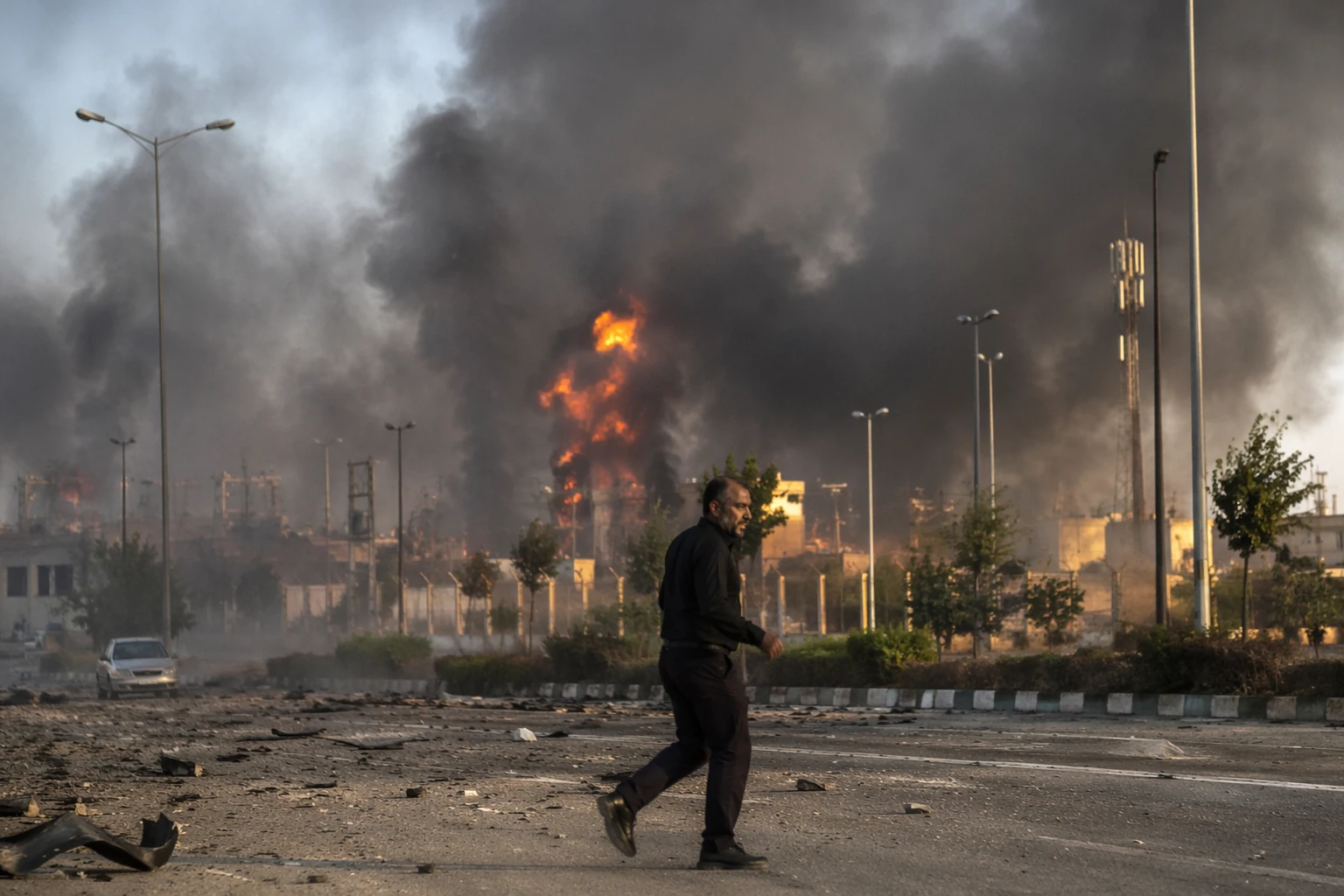
The political stakes widened further after Israel shared intelligence with the United States that Iran had devised a new plan to assassinate President Donald Trump. That allegation added another layer of escalation to a conflict already reaching from Iran’s rail network to the Gulf and the wider Middle East. The next pressure points are easy to see: transport corridors such as the Tehran-Mashhad line, Iranian and U.S.-linked targets across the region, and the Strait of Hormuz, where any disruption would carry immediate regional and international consequences.
Sources
- [1]news.google.com
- [2]us.cnn.com
- [3]cnn.com
- [4]anews.com.tr
- [5]timesofisrael.com
- [6]aljazeera.com
- [7]iranintl.com
- [8]wtop.com