Sports
From Accrington Stanley to England, Anthony Barry’s World Cup rise

Anthony Barry’s route to England’s World Cup staff began far from the top table of the game. He moved through the academies at Everton and Coventry City, broke through at Accrington Stanley in the National League in 2005, and then turned a lower-league playing career into a coaching path that now places him beside Thomas Tuchel on the touchline.
The Accrington breakthrough
Barry’s first senior foothold came at Accrington Stanley, where he made 26 Conference appearances in the 2005-06 season. That was the year the club won promotion back to the Football League for the first time in 44 years, a campaign that gave Barry his first real taste of a collective success that mattered far beyond his own career arc.
Accrington have never forgotten the connection. The club has said Barry first arrived at the Wham Stadium 20 years before his World Cup role and made 57 appearances across his two spells in East Lancashire. Former manager John Coleman captured the mood around his former player with a simple assessment: “a wonderful story.”
From lower-league midfielder to coaching apprentice
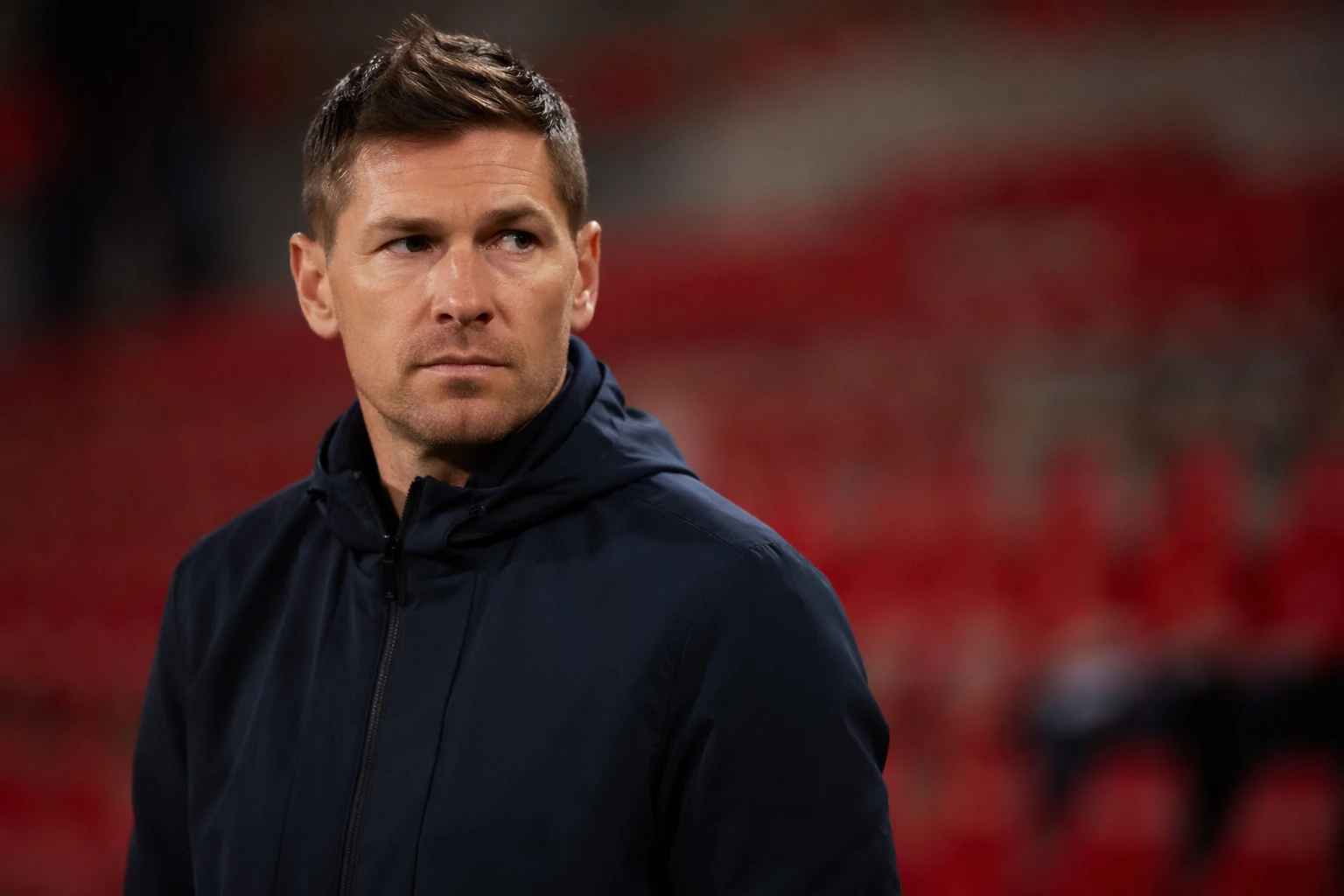
Barry’s playing career never needed a glamour club to prove its value. After Accrington, he went on to Yeovil Town and made 64 league appearances before being released in May 2008. The numbers matter because they show a footballer who knew the demands of the professional ladder from the bottom up: promotion pressure, release clauses, and the grind of proving himself again and again.
That grounding later became part of his coaching identity. His first step into coaching came in 2015 while he was still playing, when he began working with Accrington Stanley’s under-16 team. The move is important because it shows that Barry did not arrive in elite coaching by relying on reputation alone. He built experience the hard way, on academy pitches and in senior dressing rooms, before stepping into full-time staff roles.
Wigan, Chelsea and the Tuchel connection
The next major step came in 2017, when Barry joined Paul Cook’s backroom staff at Wigan Athletic. That was his first senior coaching role, and it placed him in an environment where detail, preparation and adaptability mattered every week. From there, he moved into the mainstream of elite club football when Chelsea brought him in as a first-team coach under Frank Lampard in 2020.

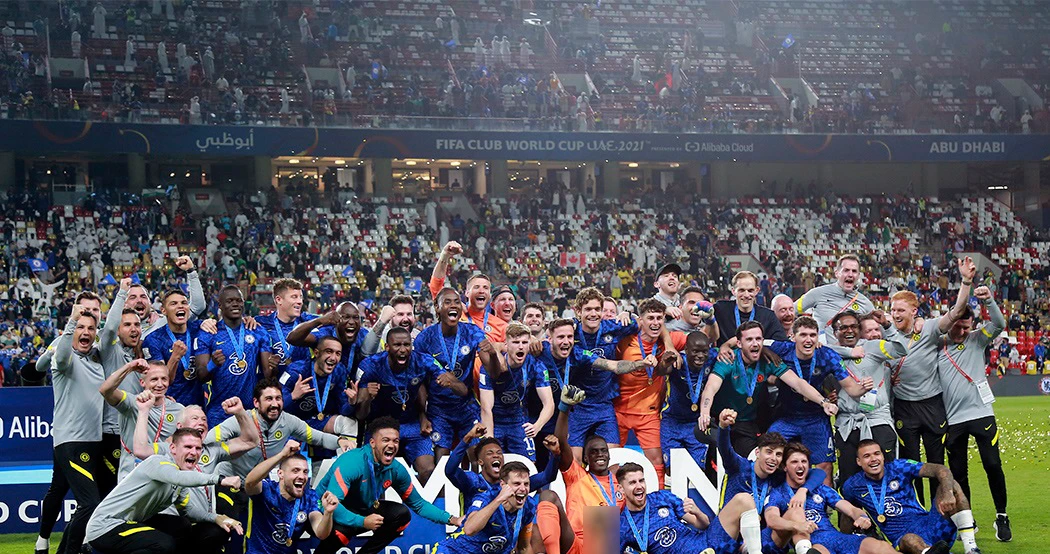
When Thomas Tuchel replaced Lampard in 2021, Barry stayed on. Chelsea won the UEFA Champions League within months of the change, and Barry’s stock rose with the team’s success. He later worked with Tuchel again at Bayern Munich, extending a partnership that had already proved it could survive a managerial change, a title race and the pressures of elite European football.
By 2024, Barry was being described as Tuchel’s set-piece specialist in England’s setup ahead of the 2026 World Cup, and as England’s only English coach under Tuchel. That detail is revealing in itself: national teams now place real value on niche expertise, not just on whether a coach once played at the highest level.
Why Barry’s rise matters
Barry’s story is not just about perseverance. It is a case study in how elite coaching pipelines are changing. International teams increasingly build staffs around analysts, tacticians and assistants who can sharpen set pieces, interpret opposition patterns and manage high-performance detail, even if their playing careers peaked well below the Premier League spotlight.
That is why Barry’s route stands out. He went from Everton and Coventry’s academies to Accrington’s promotion push, from Yeovil’s league grind to coaching under-16s, from Wigan to Chelsea, and then to Bayern Munich and England. His value lies in the accumulation of those experiences, not in a single glamorous breakthrough. Modern national teams are looking for coaches who understand the whole structure of the game, from the training pitch at Accrington to the tactical demands of a World Cup semifinal.
A World Cup role built from the margins
England’s bid for World Cup glory, and its effort to end a wait stretching back to 1966, now includes a coach whose career was built outside the usual elite pathway. That matters because Barry represents a different model of football advancement: one shaped by lower-league resilience, academy coaching, assistant work and specialist knowledge rather than celebrity playing status.
His journey from the Wham Stadium in East Lancashire to the England touchline says as much about the game’s changing labour market as it does about one man’s rise. In a sport increasingly driven by detail, the route to the top no longer has to begin at the top.
Sources
- [1]bbc.co.uk
- [2]lancashiretelegraph.co.uk
- [3]accringtonstanley.co.uk
- [4]efl.com
- [5]skysports.com
- [6]telegraph.co.uk