Entertainment
From creators weigh Lost lessons as final season looms
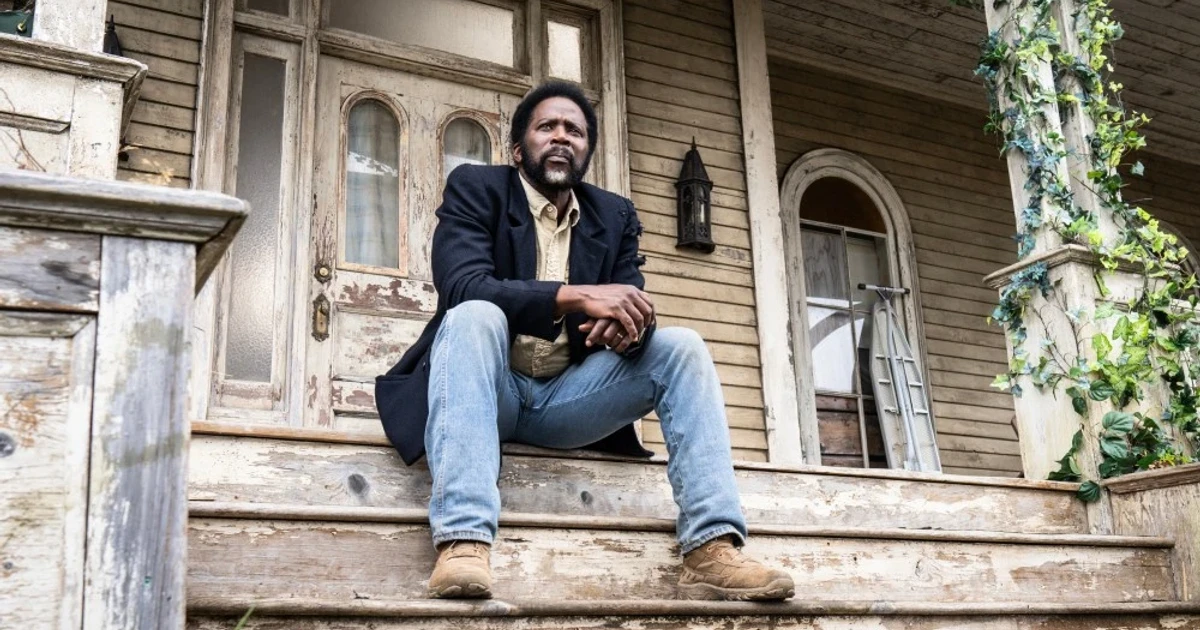
Mystery-driven television can build an audience on questions, but it is judged on what it leaves behind. From is now entering that test after MGM+ renewed it for a fifth and final season on April 15, 2026, and said the series is the most-viewed in the network’s history. Season 4 premiered on April 19, 2026, season 5 is expected in 2027, and filming for the last stretch is set to begin later in 2026 in Halifax, Nova Scotia.
That timetable matters because endings do more than close a plot. They settle the terms of a show’s legacy, especially when a series has spent years layering secrets, mythology, and speculation into a single story world. From, created by John Griffin and executive produced by Jeff Pinkner and Jack Bender, comes into its final chapter with two people who know exactly how much pressure a controversial ending can carry, because both have Lost ties.
Why Lost still defines the conversation
Lost premiered on ABC on September 22, 2004, and ended on May 23, 2010. Even now, it remains one of the most cited examples of a finale that divided viewers, in part because the show’s mythology had grown so large that every answer seemed to raise another question. The split was never just about whether mysteries were solved; it was also about whether the ending honored the emotional lives of the people inside the puzzle.
That tension still shapes how audiences approach mystery television. Some viewers want a clean accounting of the island-sized unknowns, the hidden rules, and the final explanations. Others will accept uncertainty if the characters land with force and the relationships feel complete. Lost showed that a finale can be measured against both standards at once, and failing either one can turn a beloved series into a long-running argument.
The streaming-era burden is bigger than plot closure
The streaming era has raised the stakes because viewers no longer meet a show only once a week around a broadcast schedule. They can rewatch, pause, dissect, and compare theories across years of episodes, then arrive at the ending with a memory bank full of clues. That environment rewards ambitious mythology, but it also magnifies disappointment when a finale feels too neat, too vague, or too rushed to justify the buildup.
From sits squarely inside that reality. MGM+ has already framed it as a franchise-defining hit by calling it the most-viewed series in its history, which means the final season is not just a creative decision but a commercial one. When a network’s biggest series ends, it has to satisfy loyal viewers, protect the value of the catalog, and avoid turning a growth driver into a cautionary tale.
What the Lost lesson looks like in practice
The clearest lesson from Lost is that a mystery box cannot be the only engine of a series. A show can survive on unanswered questions for a long time, but the final season has to prove that the mystery was serving the people inside it, not the other way around. If the audience has followed a story for years, it expects the ending to do more than sort out plot mechanics.
The other lesson is that clarity and closure are not the same thing. Lost is still remembered because it created a mythology that vexed even diehard fans, but it also left behind one of television’s most talked-about emotional payoffs. That is the balancing act From now faces: explain enough to make the world coherent, while letting the final episodes deliver a sense of reckoning for the characters who have carried the story.
Why creators with Lost ties matter here
Jeff Pinkner and Jack Bender bring a direct link to that earlier template. Both worked on Lost, and both are now executive producers on From, which means the final season is being shaped by people who have already lived through the aftermath of a polarizing ending. That background does not guarantee a smoother finish, but it does mean the team understands how quickly a finale can become a referendum on an entire series.
John Griffin’s creation is also different in one crucial way: From is not simply chasing a labyrinth of clues for their own sake. It is a horror series, and horror carries its own ending requirements, including dread, release, and the sense that the rules of the world have consequences. The final season will have to deliver answers without draining the atmosphere that made the show work in the first place.
What a satisfying ending has to do now
A strong finale in this era usually has to do three things at once. It has to answer the central questions that the storytelling itself has promised. It has to give major characters a conclusion that feels earned. And it has to do both without pretending that ambiguity can substitute for resolution.
For shows like From, the most durable endings tend to come from a few practical choices:
• Keep the mythology legible, so the audience can see how the pieces fit together. • Use the final season to sharpen, not multiply, the core questions. • Let character decisions carry the emotional weight, not just the reveal itself. • Finish with consequences that feel built from the story already told.
Lost made those expectations impossible to ignore, and every mystery-heavy series that followed has had to answer the same challenge in its own way. From now has the rare advantage of knowing the argument in advance. Its final season will be judged not only on what it explains, but on whether the ending feels worthy of the years viewers spent trying to decode the world around it.
When the last episode arrives in 2027, the real test will not be whether every mystery is solved. It will be whether the ending makes the journey feel inevitable, even to the viewers who spent the whole ride demanding answers.