Politics
Funding Questions Cloud Trump Ballroom Security
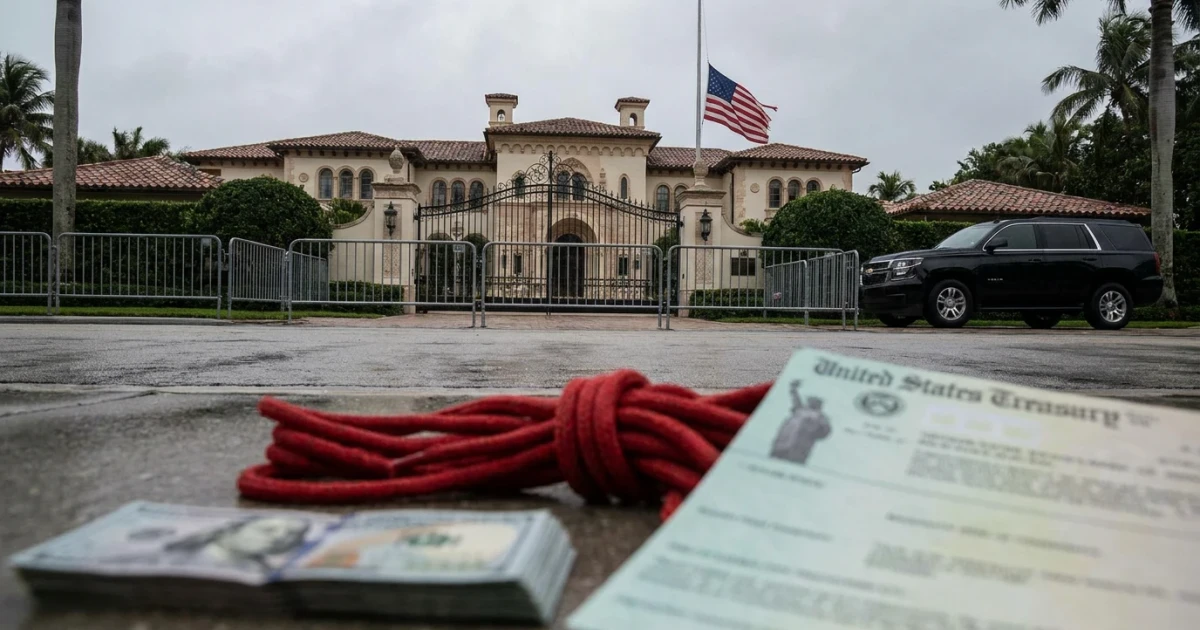
Federal funding for security at Donald Trump’s Mar-a-Lago ballroom is facing increased scrutiny, as congressional debate intensifies over the use of taxpayer dollars for protecting the former president at his private properties. The issue, highlighted by Punchbowl News, spotlights a growing challenge for lawmakers and federal agencies tasked with balancing presidential security and fiscal oversight.
Congressional Concerns Over Security Funding
At the heart of the debate is the flow of federal money used to cover security arrangements at Mar-a-Lago, where Donald Trump has spent significant time since leaving office. The Secret Service is responsible for protecting former presidents, but the cost and logistics of securing Trump’s private ballroom—frequently used for high-profile events—have drawn increased attention from both parties on Capitol Hill.
Previously, the Government Accountability Office reported that security costs for presidential travel and private property protection can run into the millions annually, with Mar-a-Lago representing a recurring and substantial expense. Lawmakers are questioning whether current appropriations properly account for the unique challenges posed by Trump’s continued use of Mar-a-Lago for political and fundraising activities.
Federal Contracts and Oversight
Official records from USAspending.gov reveal federal contracts awarded for Secret Service protection at Mar-a-Lago. These contracts include provisions for physical security measures, staff accommodations, and event-specific needs. Congressional committees are now reviewing these agreements to determine if they align with the Presidential Protection Assistance Act of 2021, which governs funding for Secret Service operations at private residences.
- The Act allows for reimbursement and oversight mechanisms but has prompted debate about the scope of eligible expenses.
- Some lawmakers argue that the scale of Mar-a-Lago’s event hosting may stretch the intention of existing laws.
- Others maintain that security for former presidents should remain robust, regardless of venue.
Political Implications and Public Transparency
The controversy arrives as Trump remains active on the political stage, with high-profile events at Mar-a-Lago drawing both supporters and critics. While the Secret Service’s mandate to protect former presidents is clear, the costs associated with safeguarding events in a private, revenue-generating venue have fueled debate over transparency and public accountability.
Data from the Federal Election Commission and OpenSecrets shows substantial fundraising activity tied to Trump’s campaign and related committees, with Mar-a-Lago frequently serving as a backdrop. Critics argue that taxpayers should not subsidize security for events that also serve private or political interests.
Looking Ahead
As Congress weighs changes to funding guidelines and oversight standards, the future of federal support for Mar-a-Lago security remains uncertain. Any adjustments could set new precedents for presidential protection at private properties, impacting not only Trump but also future former presidents who choose to reside or host events outside official government facilities.
For now, the debate underscores the ongoing challenge of balancing security needs, fiscal responsibility, and public trust in the stewardship of taxpayer funds.