World
G7 leaders to weigh AI, Ukraine and Iran tensions in France
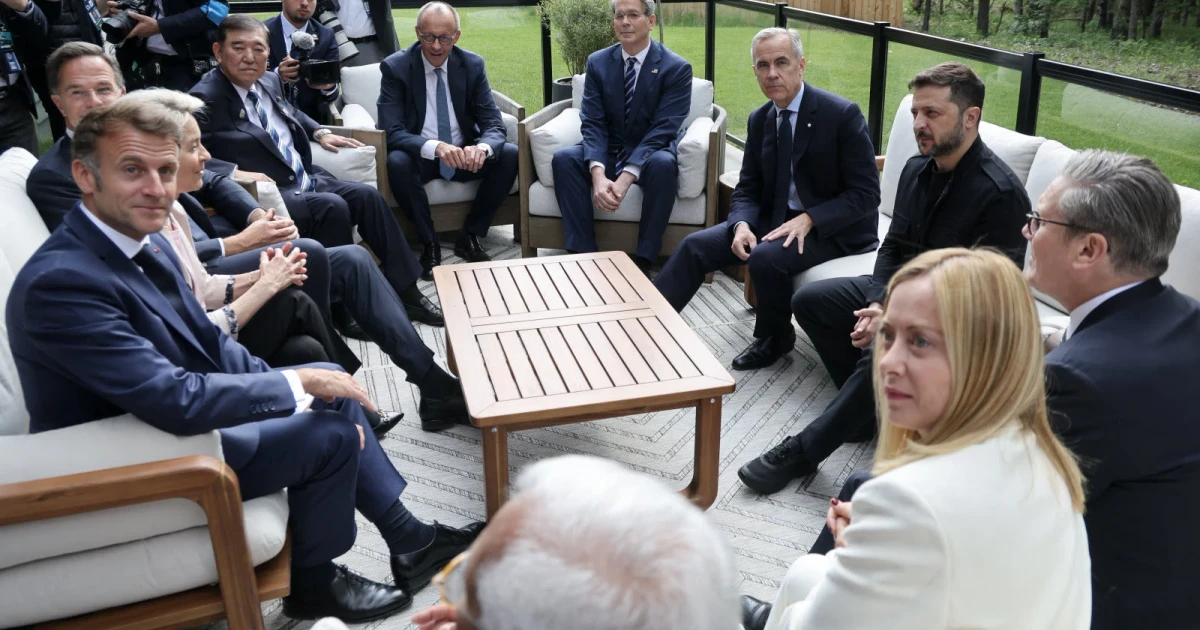
G7 leaders gathered in Evian-les-Bains with a crowded agenda that mixed the future of artificial intelligence with the immediate pressure of war and diplomacy. France hosted the June 15 to 17 summit under its 2026 G7 presidency, but the meeting was shaped as much by crisis management as by policy planning, with Ukraine, Iran and global economic imbalances all pressing for attention.
The Group of Seven remains a small club with outsized weight. Its seven members are the United States, Britain, Canada, France, Germany, Italy and Japan, while the European Union attends the summits without being one of the core members. Founded after the 1973 OPEC oil embargo, the forum has no permanent secretariat or legal status, yet its members together account for more than $50 trillion in annual GDP, just under half of the world economy. That makes the summit a useful barometer of whether the world’s richest democracies can still coordinate when financial and geopolitical risks collide.
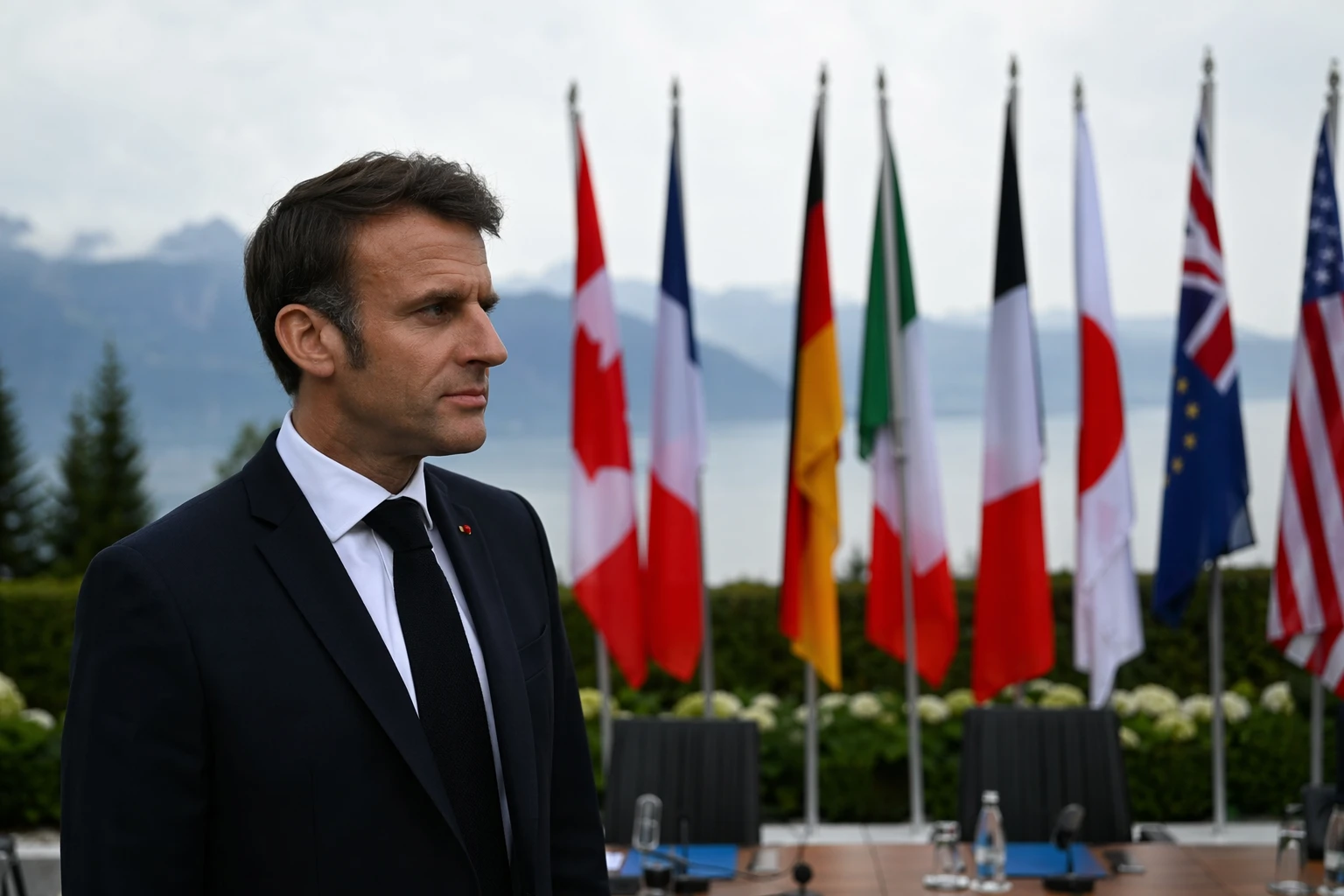
This year’s guest list widened the field. India, South Korea, Kenya and Brazil were invited, and Ukrainian President Volodymyr Zelenskiy was expected in Evian-les-Bains for the discussion on Ukraine. The war in Iran hovered over the talks after the United States and Iran announced a framework to end their conflict, adding another layer of uncertainty to a summit already wrestling with Europe’s role in Ukraine negotiations. European members were trying to persuade President Donald Trump that Europe is now carrying more of the financial, military and political burden.
Artificial intelligence emerged as the other major test of the summit’s relevance. Top AI executives, including OpenAI’s Sam Altman and Google DeepMind’s Demis Hassabis, joined world leaders to discuss the safe and effective deployment of the technology at a moment when European officials are seeking checks on American dominance in the industry. The debate underscored how quickly AI has moved from a regulatory concern to a strategic issue tied to competitiveness, industrial policy and national security.

The result was a familiar G7 tension: leaders wanted to shape the agenda around long-term economic and technological questions, yet events kept dragging them back into firefighting. Whether the summit could produce more than a communiqué depended on its ability to bridge that gap between strategic ambition and the realities of war, market instability and rivalry over the next great technology.
Sources
- [1]nytimes.com
- [2]usnews.com
- [3]reuters.com
- [4]apnews.com