World
G7 meeting in France softens tone on Iran and Ukraine
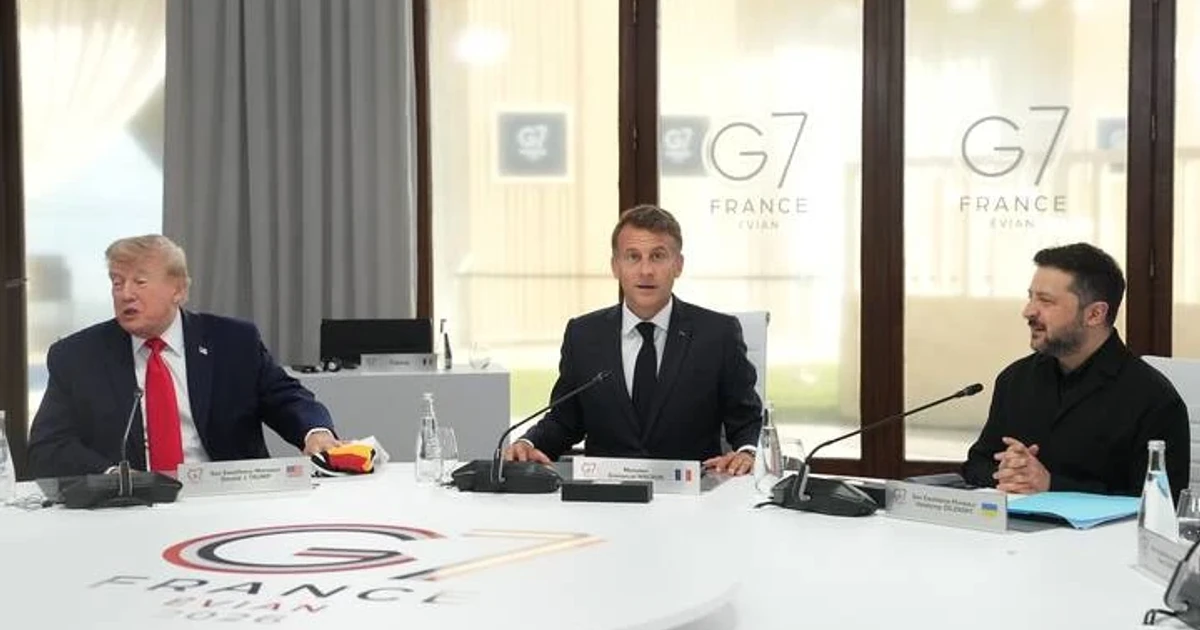
European leaders opened the G7 in Evian-les-Bains with a noticeably softer tone toward Donald Trump, hoping that cooperation would buy them leverage on both Iran and Ukraine. France had built the June 15 to 17 summit around unity and low expectations, and officials were treating it as progress if Trump stayed through the full meeting. That restraint reflected a larger calculation: keep Washington engaged, avoid a public clash, and preserve a working channel while the wars in the Middle East and Ukraine remained unsettled.
On Iran, the atmosphere shifted because Trump arrived with a preliminary deal in hand, but European governments were far from ready to call it a durable settlement. European leaders were preparing to warn that a superficial interim accord could entrench Iran’s nuclear and ballistic missile programs, while France, Britain and Germany sought a role in the next phase of talks after being sidelined. The immediate focus was the Strait of Hormuz, with leaders discussing reopening the shipping lane and a possible Franco-British-led maritime mission, while the United Arab Emirates, Qatar and Egypt were set to join Tuesday’s discussions.
Ukraine produced the same mix of relief and uncertainty. After a meeting with Volodymyr Zelenskyy, Trump said Russia should make a deal and said he would do what he could to help end the war, prompting cautious optimism among G7 leaders. Zelenskyy and his European allies had come to the summit hoping to persuade Trump that Ukraine’s battlefield position had improved after drone strikes deep inside Russia, but they still had no firm commitment from Washington on new pressure measures. Zelenskyy said the leaders discussed additional sanctions on Russia’s oil exports, banking sector and military production, underlining how much of the diplomacy remained tied to economic coercion rather than a settled peace plan.
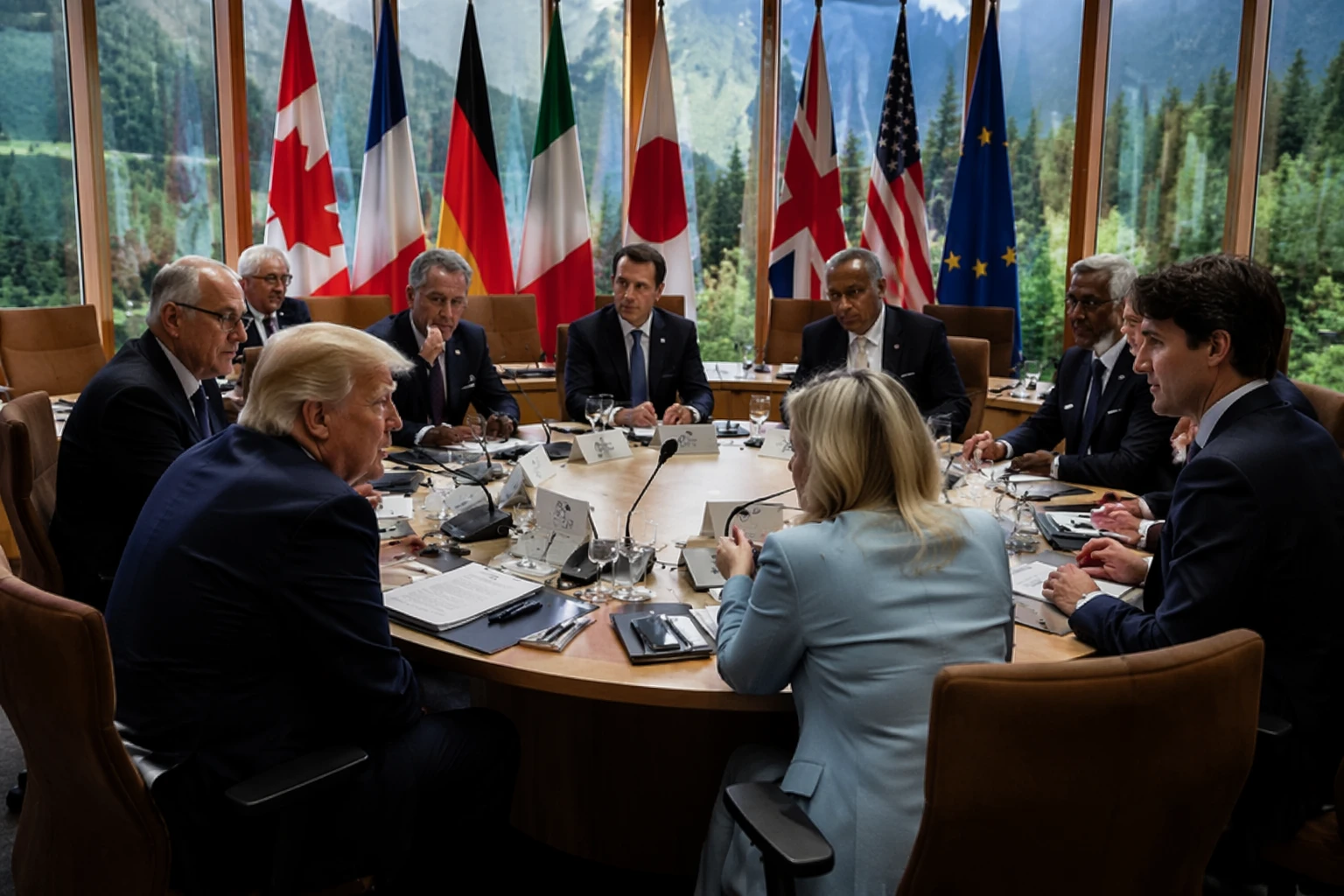
The larger pattern suggested strategic accommodation more than a true policy reset. France had shaped the summit to appeal to Trump’s priorities, and one senior diplomat said an accord could help put months of tension with the United States behind the group. Yet the core issues remained unresolved: the Iran deal still lacked precise terms, and the Ukraine talks depended on whether Trump was willing to convert a friendly exchange into sustained pressure on Moscow. For now, the G7 looked less like a new transatlantic consensus than a tactical pause in an increasingly transactional relationship.
Sources
- [1]nytimes.com