World
G7 promises more Ukraine aid and tougher sanctions on Russia
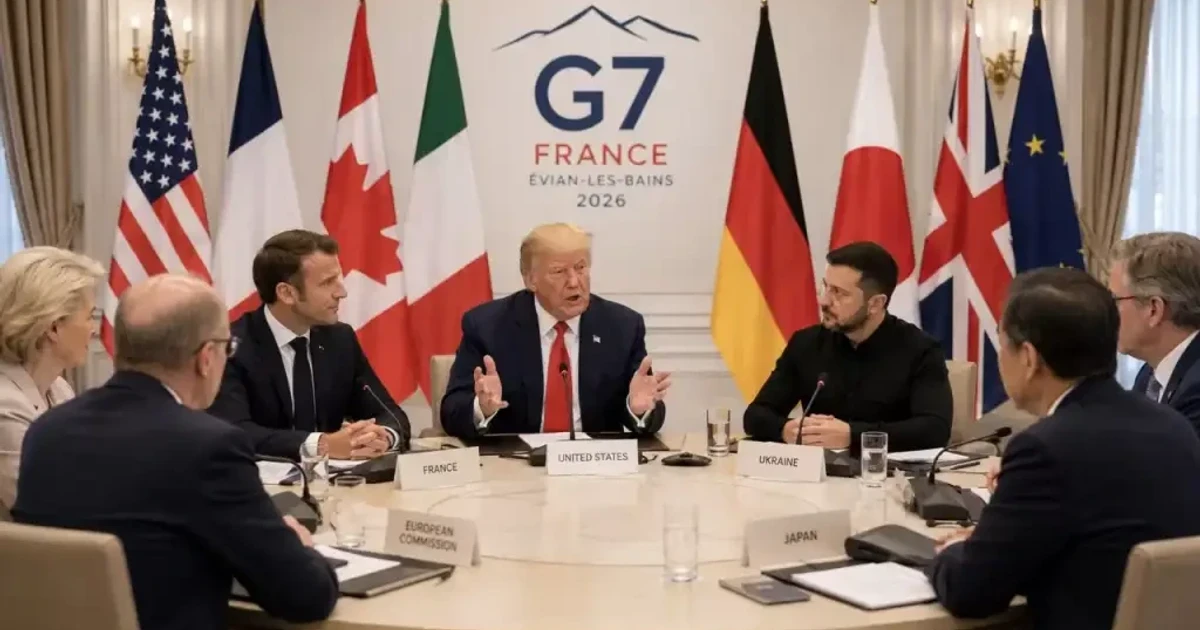
The G7 used its summit in Evian-les-Bains to move beyond familiar statements of support and into a harder question, whether Western governments can turn promises into weapons, sanctions and pressure that reach the battlefield quickly. A joint declaration backed by Donald Trump said the group would increase deliveries of air defense capacities, additional systems and interceptors, and long-range capabilities to Ukraine, while strengthening sanctions on Russia’s oil and gas sectors.
Posted shortly after midnight on June 17, the declaration said the G7 stood united behind Ukraine’s freedom, sovereignty and territorial integrity, commended Kyiv for its resilience and recent progress on the battlefield, and described the war as having “new momentum.” It also said the group was ready to consider extending licenses to Ukraine that would help expand domestic military production, a step that could matter later if governments move fast on approvals, financing and export rules.
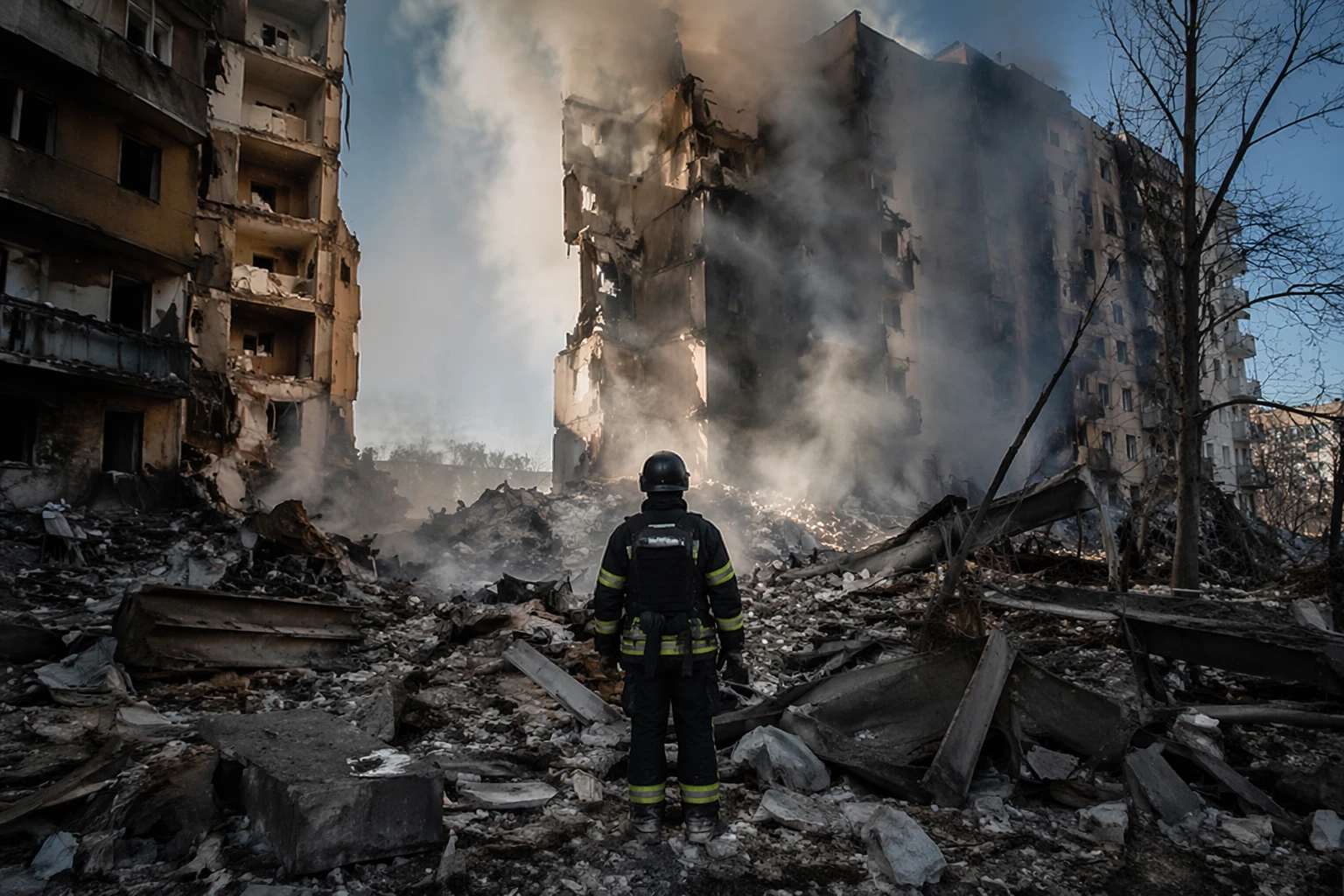
Volodymyr Zelenskiy said the leaders agreed Russia was not winning the war and discussed additional sanctions aimed at pushing Moscow toward negotiations. He said those measures could hit Russia’s oil exports, banking sector and military production. That mix matters because air defenses and interceptors can change conditions on the ground sooner than industrial support, while sanctions on energy and finance are meant to squeeze the Kremlin’s war economy over time.
Canada was the first to put fresh numbers on the table. On June 16, Ottawa announced new sanctions on 162 people, entities and vessels tied to Russia’s war machine, including the shadow fleet, energy revenues and defense industry. Mark Carney said Canada had already provided $2.8 billion in military assistance to Ukraine in 2026 and had sanctioned more than 3,400 individuals and entities and 600 vessels, a reminder that allied unity only counts if capitals keep matching summit language with new measures.
The declaration also tied the sanctions push to the U.S.-Iran deal backed by the G7 and the reopening of the Strait of Hormuz, signaling that the coalition sees a broader strategic opening to increase pressure on Moscow. But the harder reality is that the alliance is still testing itself against the same problem that has followed the war since 2014, when the G7 became a G7 again, not a G8, after Russia’s violation of Ukraine’s sovereignty and territorial integrity. The summit showed unity, but the real measure will be whether Washington, Ottawa, Brussels and other capitals deliver fast enough to alter Russia’s calculations before winter deepens the costs of the war.
Sources
- [1]news.google.com
- [2]politico.eu
- [3]g7.utoronto.ca
- [4]elysee.fr
- [5]cbc.ca
- [6]consilium.europa.eu