World
G7 summit highlights global fragmentation, as leaders seek new deals
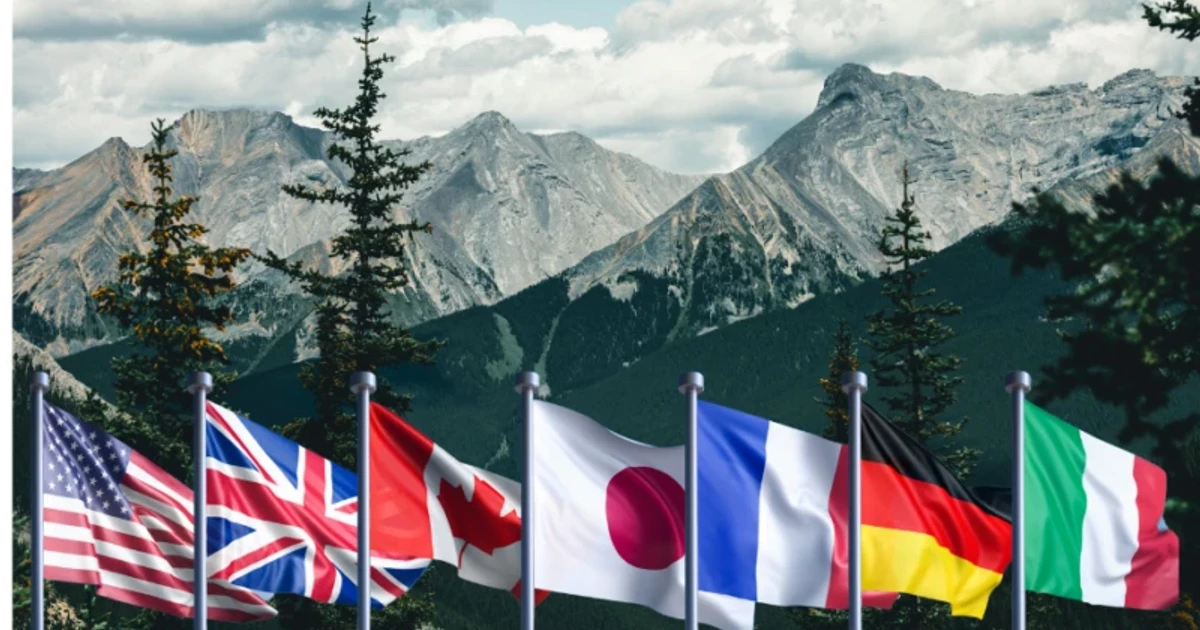
The G7 was built in 1975 to show that the world’s leading industrial democracies could still act in concert. In Kananaskis, Alberta, the opposite problem was on display: a forum meant to coordinate the West looked more like a stress test of whether American-led alliance management can still hold when Donald Trump is in the room, and when he is not.
Canada hosted the 2025 leaders’ summit from June 15 to June 17 under heavy security, with the Canadian Armed Forces supporting the Royal Canadian Mounted Police under Operation CADENCE. By the end of the meeting, leaders had adopted seven joint statements, on artificial intelligence, critical minerals, migrant smuggling, wildfires, transnational repression, quantum technologies, and developments between Israel and Iran. They also approved the G7 Critical Minerals Action Plan on June 17, underscoring how supply-chain resilience has moved from a technical concern to a core strategic issue.
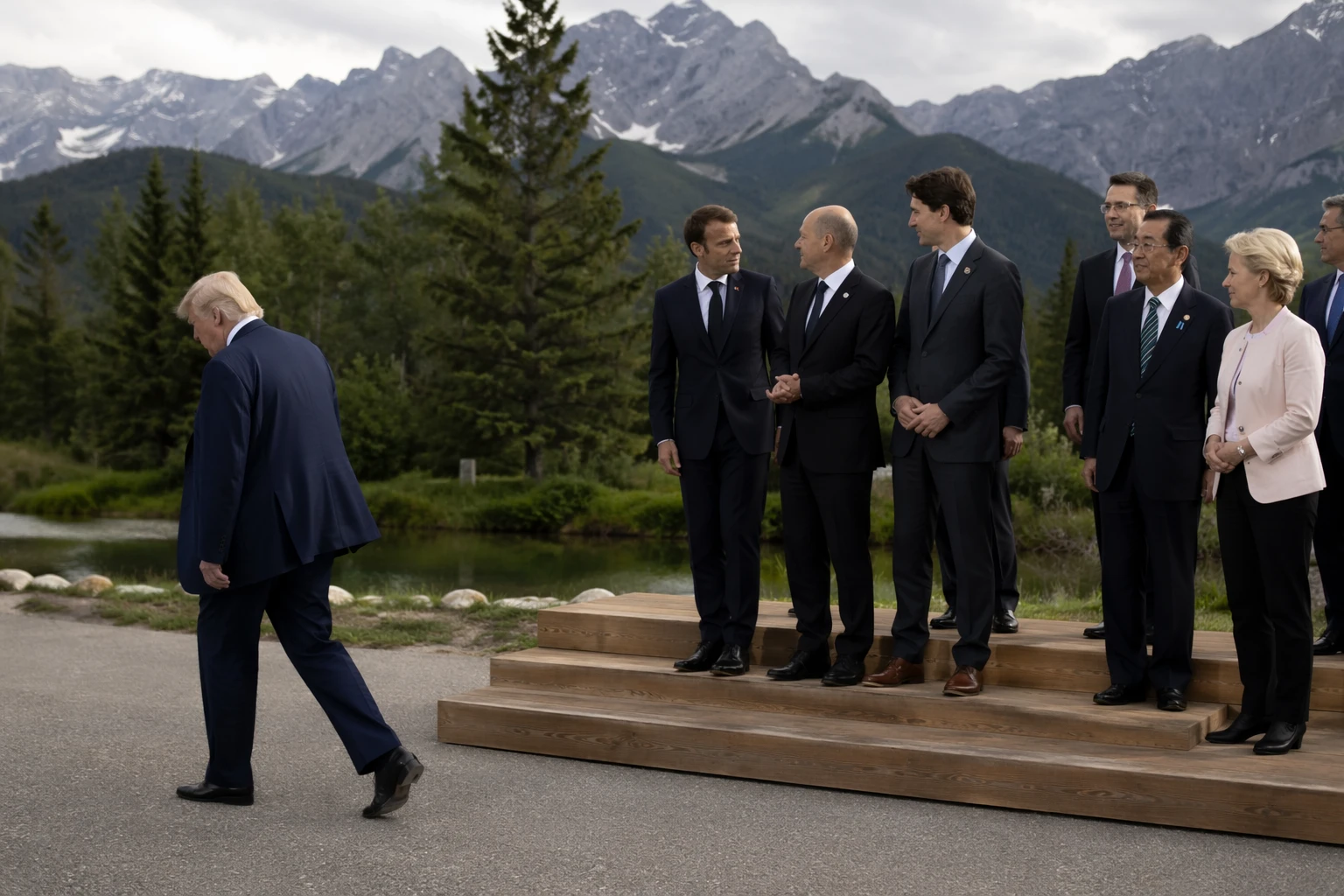
But the summit’s deeper story was the strain. Trump left early, and the remaining leaders continued without him, including in separate talks with Ukrainian President Volodymyr Zelenskyy. Canadian officials said Trump and Prime Minister Mark Carney agreed to pursue negotiations toward a new economic and security deal within 30 days, a narrow opening that also showed how much the summit depended on bilateral side deals once a common front broke down. Canadian officials said the United States opposed a joint statement on Ukraine, while members of Trump’s trade team stayed behind to keep tariff talks going.
That fragmentation matters because the G7 still carries outsized weight. The European Commission says the group’s economies account for 45% of global GDP and more than 80% of intellectual property revenues. When those countries cannot agree quickly, the cost is not just diplomatic embarrassment. It means delayed language on Ukraine, watered-down trade coordination, and slower movement on technology and mineral supply chains that now sit at the center of industrial policy.
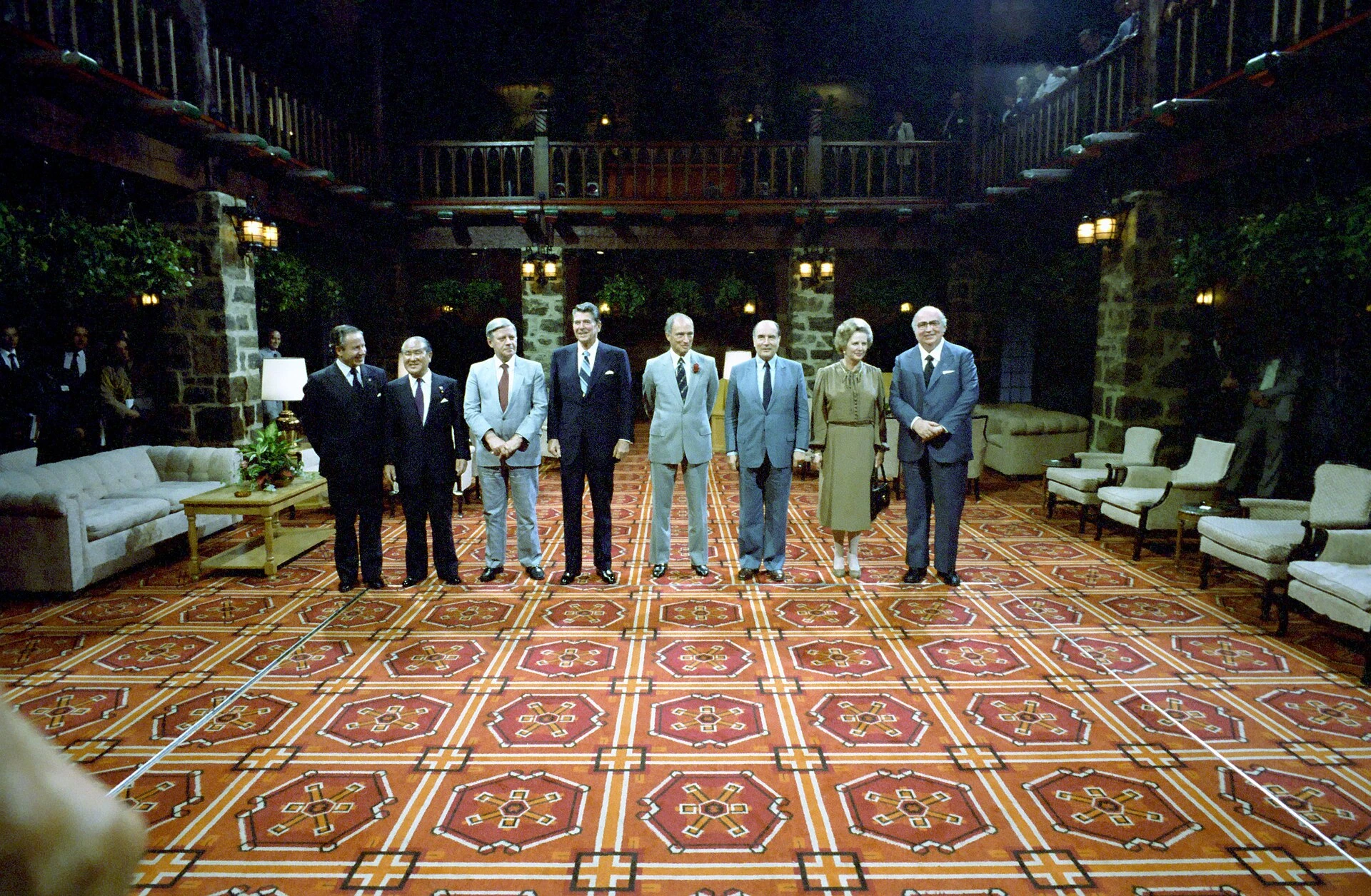
The G7 began as a tighter club than today’s G20, which emerged from the late-1990s financial crises as a broader coordination forum. Russia’s membership was suspended indefinitely in 2014 after the annexation of Crimea, and the group has only grown more politically exposed since then. With France holding the 2026 presidency, the next test will be whether the G7 can still turn summit diplomacy into collective action, or whether Kananaskis becomes the template for a fragmented West.
Sources
- [1]nytimes.com
- [2]britannica.com
- [3]canada.ca
- [4]consilium.europa.eu
- [5]ap.org
- [6]g7g20-documents.org
- [7]ec.europa.eu
- [8]g7.utoronto.ca