World
G7 unveils new minerals alliance to curb China dependence
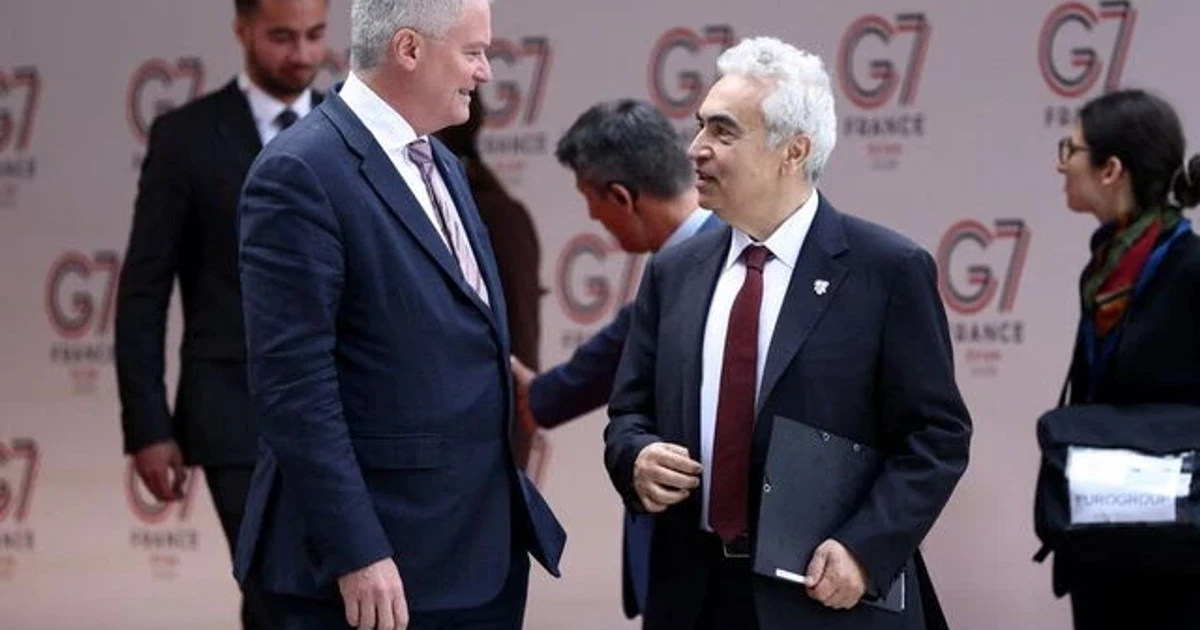
The G7 moved to turn critical minerals from a market question into a security policy, unveiling a new alliance and crisis platform at its Évian summit to cut dependence on any single supplier outside the G7 and partner countries to below 60% by 2030, with a goal of reaching 50% as soon as possible. The first test cases are lithium and nickel, but the plan is meant to widen quickly, adding five new minerals each year and putting rare earth elements at the center of the effort.
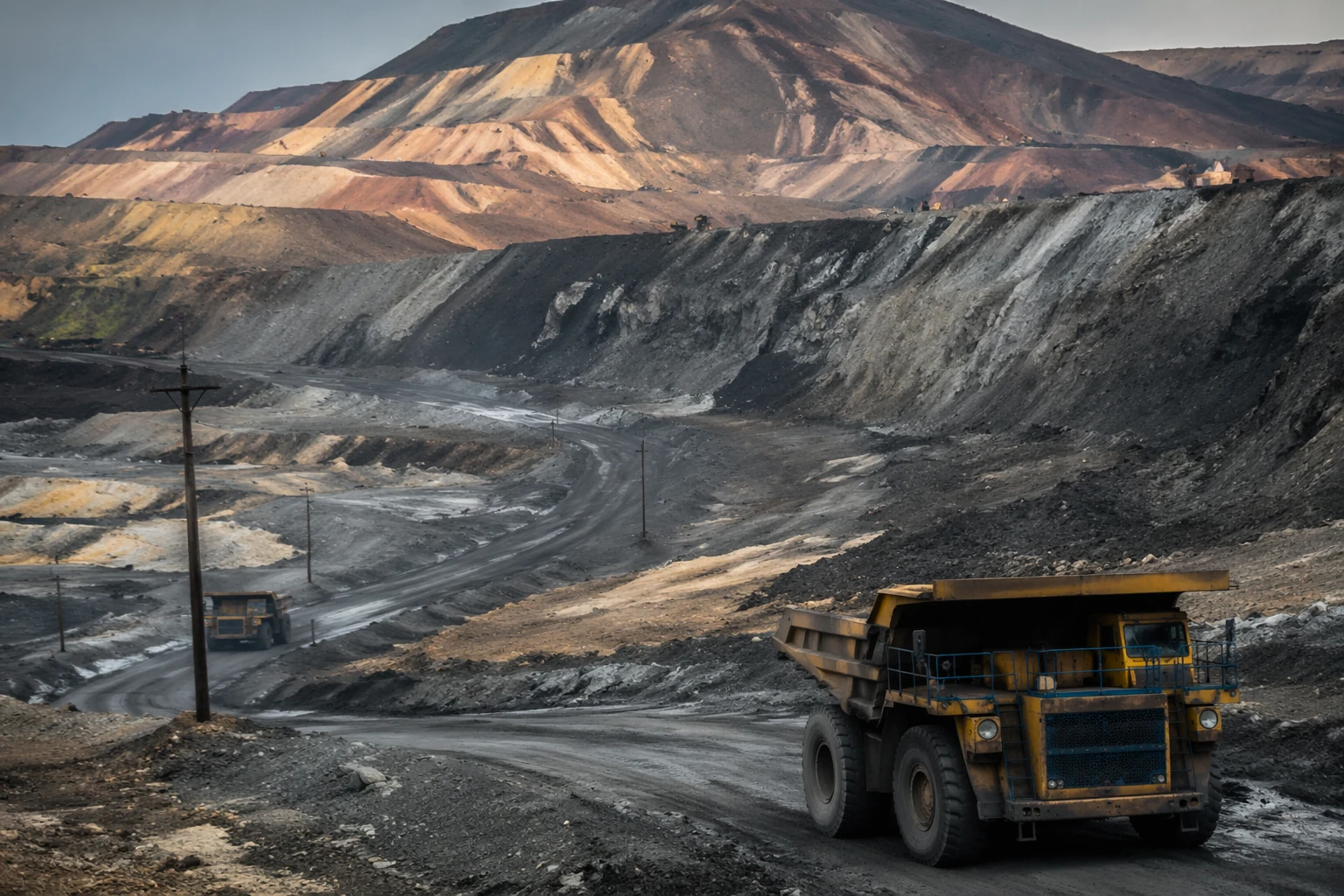
The political message was clear even without naming China directly. Beijing’s export curbs on permanent magnets last year jolted manufacturers and exposed how exposed the world remains when one country dominates refining and processing. The International Energy Agency says China is the dominant refiner for 19 of the 20 critical minerals it tracks, with an average market share of around 70%, and that concentration has intensified in recent years. In processed rare earths and magnets, analysts say China controls roughly 90% of global output, a choke point that matters for defense systems, electric vehicles, wind turbines and advanced electronics.
The declaration goes beyond broad promises. It calls for coordinated policy, data-sharing, crisis response, market transparency, traceability, recycling, financing and tighter cooperation on technology controls through a dedicated platform with the International Energy Agency. It also says the G7 will use IEA analysis and early warnings of market distortions, while mobilizing public and private capital for mining, refining and recycling projects across the supply chain.
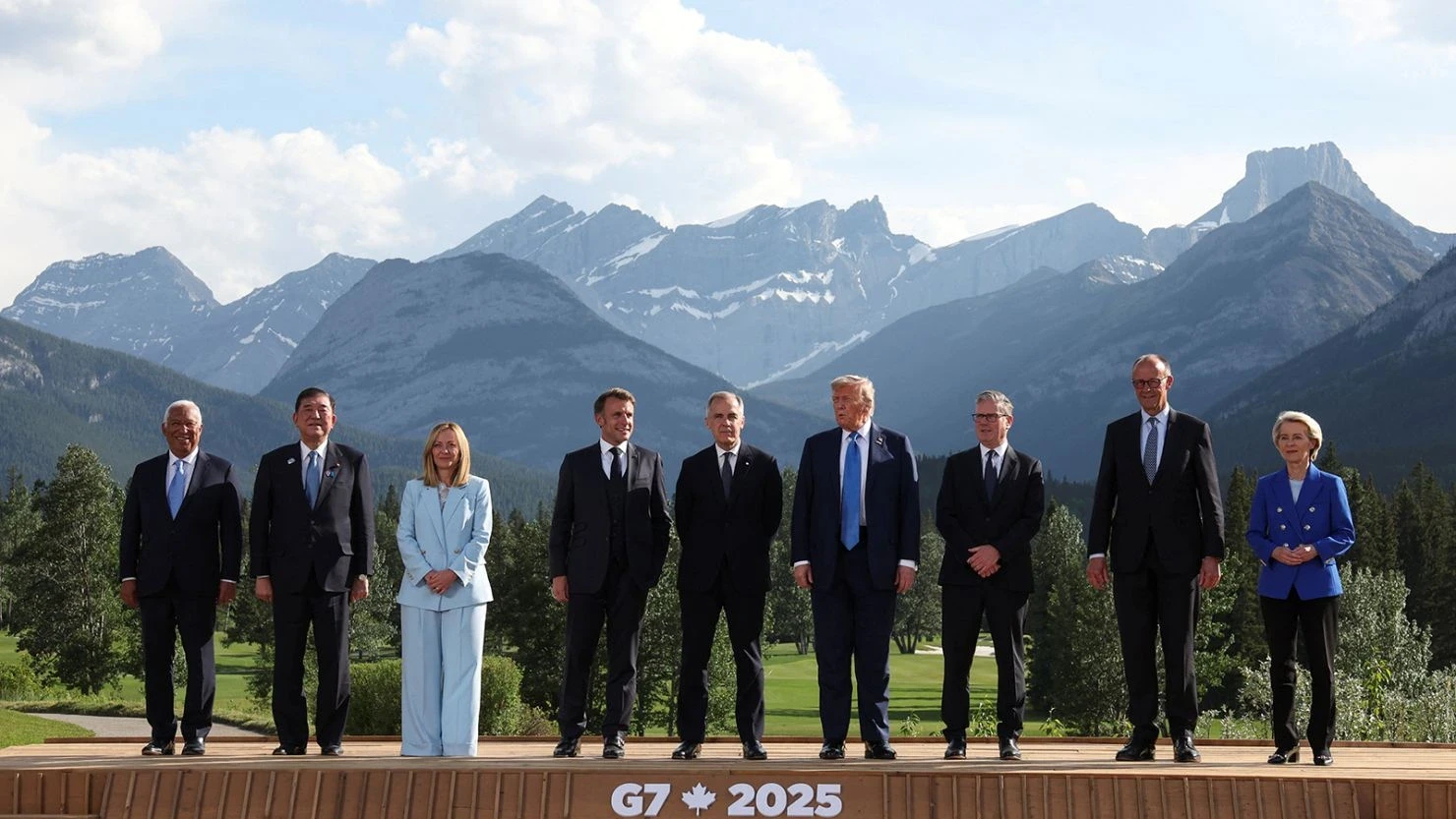
The alliance also builds on the 2025 G7 Critical Minerals Action Plan and on the Critical Minerals Production Alliance created under Canada’s 2025 G7 presidency. Australia backed the declaration as a G7 partner country, while Egypt, Kenya and the Republic of Korea supported the broader statement on critical minerals. The framework suggests the G7 is treating mineral security the way it once treated oil security: as a strategic asset that demands joint planning, stockpiles and allied coordination, not just spot-market buying.

The real test now lies in the bottlenecks that have defeated earlier diversification pledges. New mines can take years to permit, processing plants require heavy capital, and refining capacity outside China remains thin. Neha Mukherjee of Benchmark Mineral Intelligence said the declaration was an important signal of intent, but real diversification will depend on whether policy support turns into investment in the midstream and downstream parts of the value chain. Without financing, permits and processors, the alliance risks becoming another summit promise aimed at a supply chain that is still overwhelmingly shaped in China.
Sources
- [1]usnews.com
- [2]elysee.fr
- [3]iea.org
- [4]g7.utoronto.ca