US News
Gabbard Focuses on ‘Deep State’ Concerns as Iran and Venezuela Remain Unaddressed
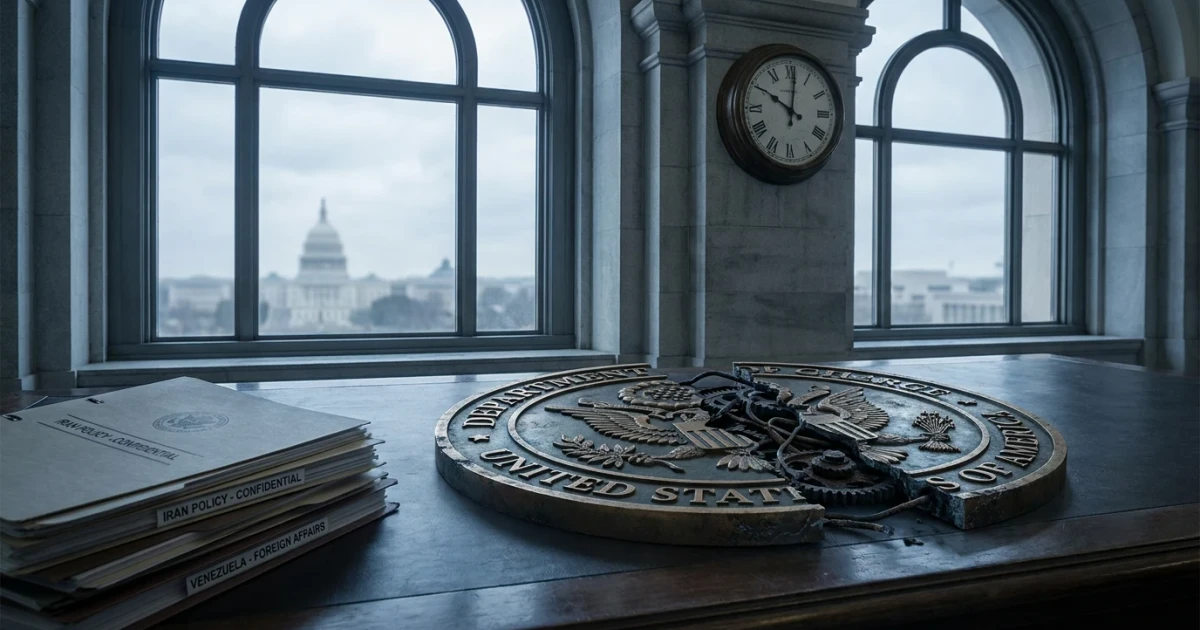
Tulsi Gabbard has shifted her political focus away from contentious international issues involving Iran and Venezuela, instead channeling her efforts into the persistent debate over the so-called ‘Deep State’ within the U.S. government. This pivot comes as U.S. policy towards Iran and Venezuela remains in a holding pattern, leaving unresolved diplomatic and economic questions.
Unresolved Issues with Iran and Venezuela
Recent months have seen little movement in U.S. engagement with Iran or Venezuela. International efforts to address human rights abuses, nuclear ambitions, and economic instability in these countries continue, but the United States has largely opted for a wait-and-see approach. Official records from the UN Security Council document ongoing sanctions and diplomatic isolation, yet new initiatives from the U.S. remain scarce.
- Sanctions on Iran and Venezuela persist, with enforcement and compliance regularly updated by international bodies.
- The humanitarian situation in both countries is detailed in the latest U.S. State Department human rights reports.
- U.S. congressional action on Iran can be tracked via GovTrack’s legislative database, which shows little recent movement.
Tulsi Gabbard’s Shift to ‘Deep State’ Issues
Against this backdrop, Gabbard has redirected her political energy towards the ‘Deep State’ narrative popularized by former President Trump. This phrase, often used to describe alleged entrenched interests within the federal government working against elected officials, continues to fuel debate among segments of the American electorate.
Gabbard’s stance aligns her with Trump’s grievances, as she expresses her own suspicions about the neutrality and transparency of federal agencies. The U.S. Department of Justice’s FOIA records offer official documentation of past investigations and public discourse surrounding the ‘Deep State’ concept. This issue remains polarizing, as reflected in Pew Research Center polling data that tracks declining trust in government and the growing prevalence of conspiracy theories in political life.
Broader Implications for U.S. Politics
Gabbard’s pivot underscores ongoing divisions within American politics, where foreign policy challenges are sometimes overshadowed by domestic debates over government accountability and transparency. Public opinion data highlights how narratives about the ‘Deep State’ have become a fixture in political discourse, often shaping voter attitudes and influencing electoral strategies.
- Recent Pew datasets reveal that a significant portion of Americans believe in the existence of unelected officials wielding hidden power within government.
- Freedom of Information Act releases from the Department of Justice provide transparency into how these concerns have been investigated and addressed in official channels.
What Comes Next?
As global crises in Iran and Venezuela continue to evolve, the lack of new U.S. initiatives on these fronts contrasts sharply with the domestic focus on internal government dynamics. Observers note that this shift in attention may reflect broader trends in American politics, where international challenges are sometimes eclipsed by internal controversies. Whether Gabbard’s approach will yield political dividends—or distract from pressing foreign policy needs—remains to be seen.