Entertainment
Gary Shteyngart’s dystopian novel feels eerily current in 2026
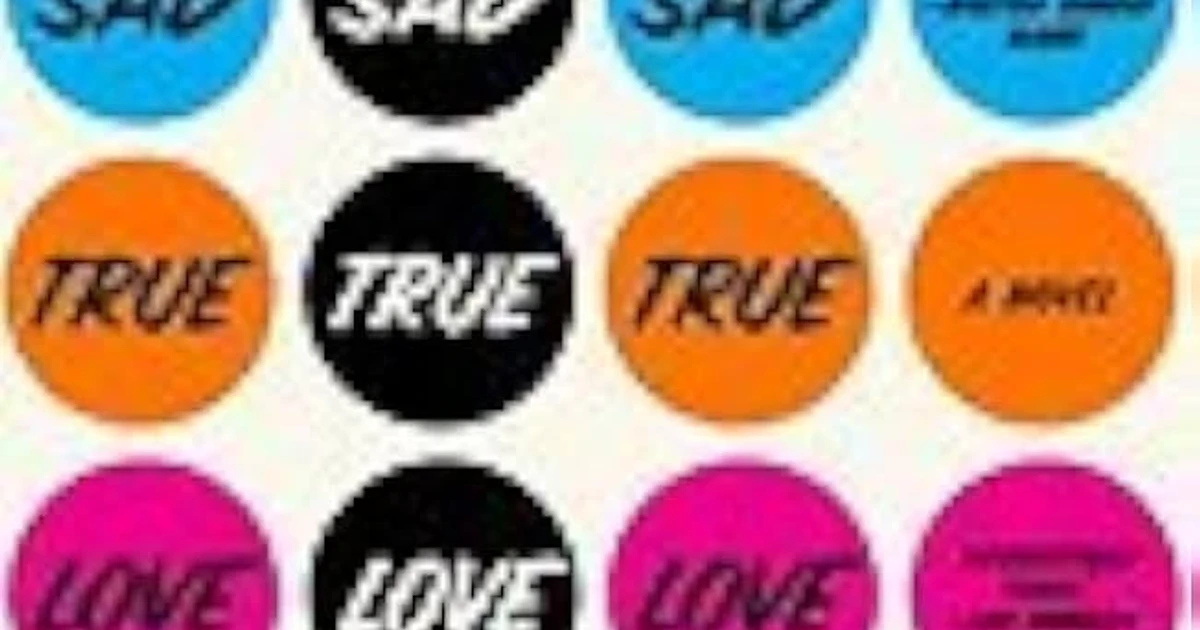
Gary Shteyngart built a near-future New York where media, retail, and social status crowd out almost everything else, and the joke has only sharpened with time. Published by Random House on July 27, 2010, Super Sad True Love Story won the Bollinger Everyman Wodehouse Prize for comic fiction and has since been described by Penguin Random House as one of the most iconic novels of the decade. What once looked like a heightened satire now feels uncomfortably close to the daily logic of life online.
A novel that mapped the pressures before they fully arrived
Super Sad True Love Story is set in a dystopian New York that prizes visibility, consumption, and rank, turning the city into a social machine where media and retail shape behavior as much as politics or private feeling. That premise matters because it captured a world in which status is measured continuously and intimacy is filtered through platforms, feeds, and performance. The novel’s staying power comes from how precisely it understood that attention would become both currency and trap.
The book’s reputation has only solidified. Google Books identifies it as a 2010 Random House release and a winner of the Bollinger Everyman Wodehouse Prize, while Penguin Random House says it became one of the most iconic novels of the decade. Those honors matter less as shelf markers than as proof that Shteyngart’s satire was never merely a joke about the future. It was a diagnosis of how modern life would start to feel when the social world became more mediated, more transactional, and harder to escape.
Why the satire feels so current now
The world around the novel now supplies its own evidence. Pew Research Center found in 2024 that 54% of U.S. adults at least sometimes get news from social media, with Facebook and YouTube leading the category. That means the same spaces built for scrolling, sharing, and self-presentation have become central gateways to public information, which is exactly the kind of collapse between media and daily life that Shteyngart imagined.
That shift has consequences beyond entertainment. When news arrives through social feeds, the line between civic life and social performance gets thinner, and the pressure to react, compare, and stay visible only intensifies. Shteyngart’s novel does not predict one gadget or one platform; it predicts the social habit of living through screens, where people are perpetually aware of how they appear and how little control they have over the atmosphere around them.
Loneliness is no longer just literary material
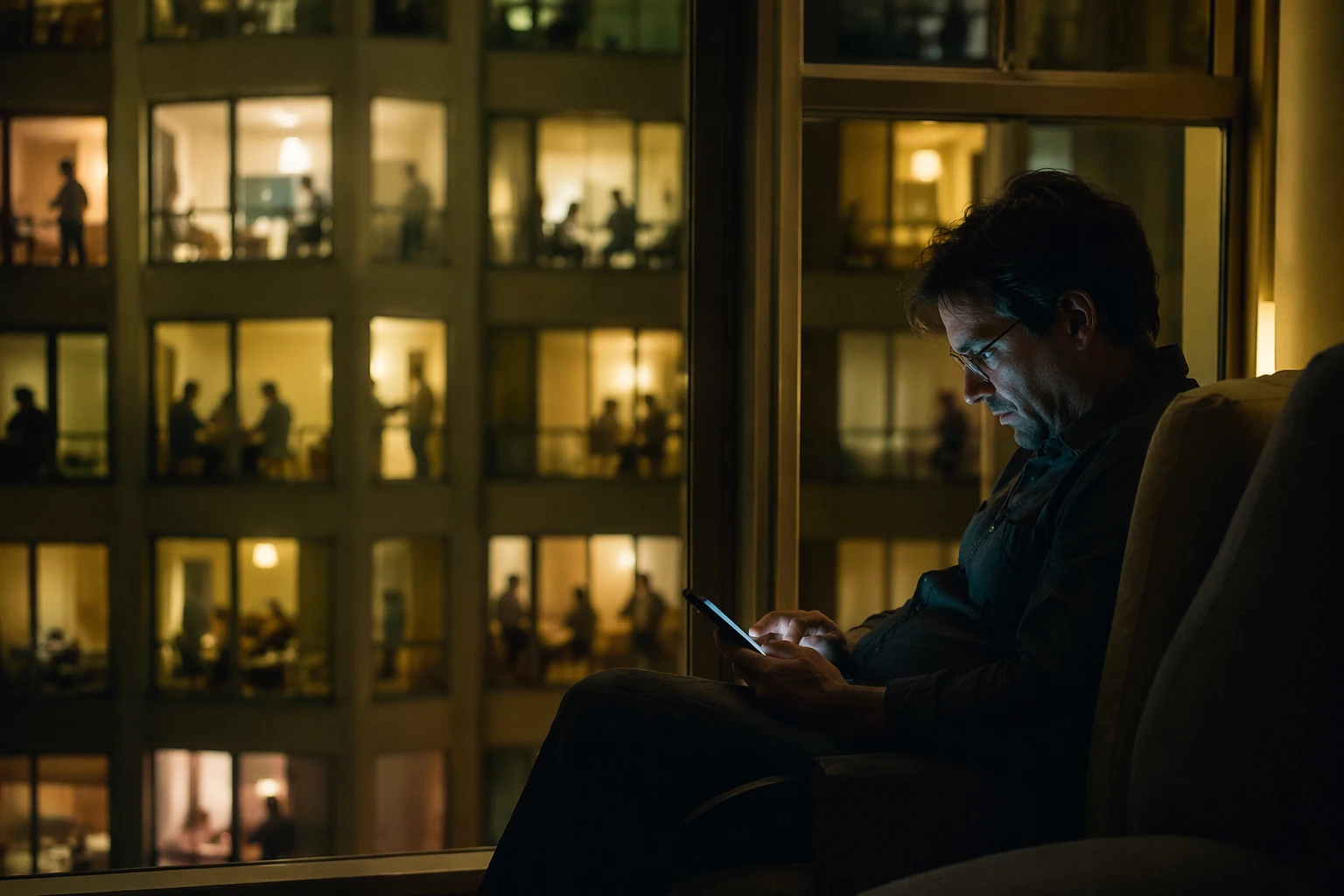
What was once a novelist’s exaggeration has become a policy concern. In 2023, the U.S. Surgeon General, Vivek Murthy, issued an advisory saying roughly half of U.S. adults experience loneliness, putting social disconnection into the language of public health rather than private weakness. That is a striking institutional acknowledgment: loneliness is not just an emotional state, but a widespread condition with civic and health consequences.
The concern widened further in 2025. The OECD said people are meeting in person less frequently than in the past, and the World Health Organization’s Commission on Social Connection released a report saying social isolation and loneliness are widespread and require urgent action. Taken together, those findings make Shteyngart’s world feel less like a speculative outlier and more like a compressed version of familiar habits: fewer face-to-face ties, more mediated contact, and more people trying to satisfy social needs through systems that are not designed to do so.
What the novel gets right about status and emotional drift
Shteyngart’s enduring insight is that status anxiety and loneliness feed each other. In a culture that rewards visibility, people can become more publicly connected while feeling more privately untethered, and that tension sits at the center of Super Sad True Love Story. The book’s near-future New York is obsessed with outward value, but the emotional cost is a deeper emptiness, a sense that constant exposure does not equal real connection.
That is why the novel resonates so strongly in a media environment where social platforms double as news distributors and reputation engines. The same tools that let people keep up with events also invite comparison, surveillance-by-peer-pressure, and a subtle erosion of undistracted presence. Shteyngart’s satire lands because it understands that the deepest distortion is not technological novelty alone, but the way technology reshapes what people expect from each other.
Shteyngart has kept writing the same anxieties into new forms
His later work shows that these concerns were not a one-off. Vera, or Faith was originally published in July 2025 and is scheduled for paperback release on June 30, 2026. Columbia School of the Arts identified it as forthcoming from Random House in July 2025, and Penguin Random House lists the paperback under the name of the author of Super Sad True Love Story.
That continuity matters. Shteyngart has not drifted away from dystopian fiction because the subject disappeared; he has kept returning to the same fault lines as they migrate into new settings. The result is a body of work that treats anxiety about technology, belonging, and decline not as a passing mood, but as a durable feature of contemporary life.
The real-world twist is that institutions now speak the novel’s language
The strangest part of revisiting Super Sad True Love Story in 2026 is that the world has caught up in institutional terms as well as cultural ones. Public-health agencies, international organizations, and research centers are now describing loneliness, isolation, and mediated life with unusual bluntness. The language of crisis, once limited to fiction, has moved into advisory memos, reports, and data dashboards.
That is what makes the novel feel so eerily current. It did not merely guess that people would spend more time on screens or care more about status; it anticipated a civilization in which those habits would become public concerns with measurable costs. Shteyngart’s dystopia looks less like a fantasy of tomorrow than a sharper, meaner version of today, and the bleakest joke is that the institutions now trying to repair the damage sound a lot like the book’s own warning label.
Sources
- [1]nytimes.com
- [2]penguinrandomhouse.com
- [3]books.google.com
- [4]sites.prh.com
- [5]arts.columbia.edu
- [6]hhs.gov
- [7]oecd.org
- [8]who.int
- [9]pewresearch.org