US News
Gas Price Surge Poses Political Challenge for Trump
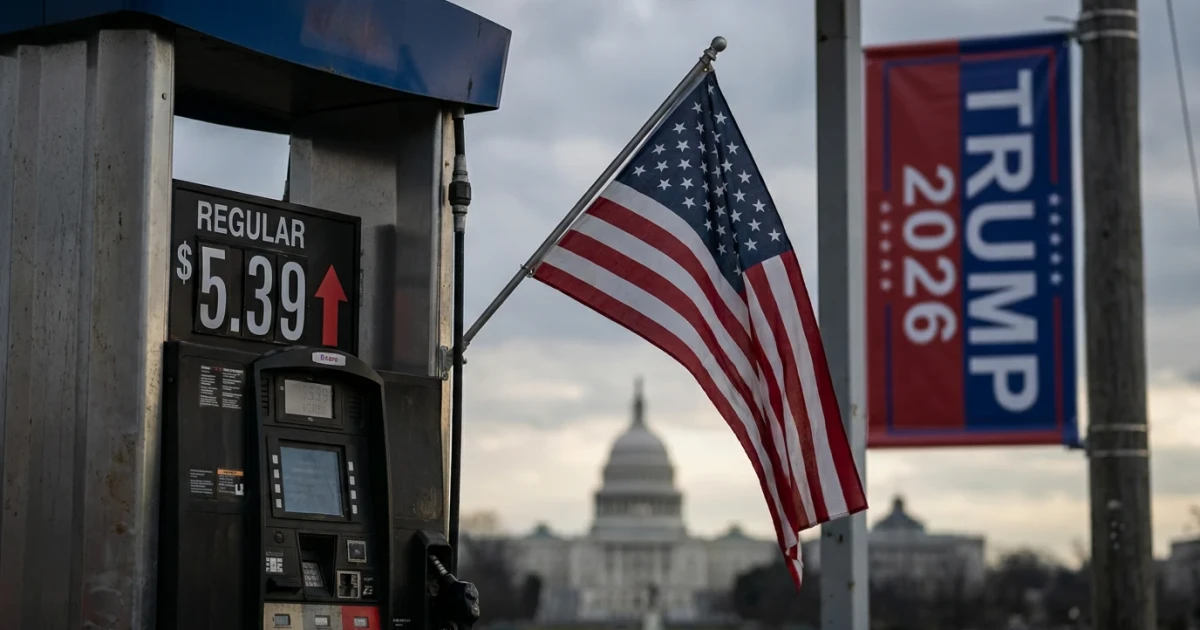
Rising gasoline prices are creating a political headache for President Trump, as public frustration grows and energy analysts warn that another spike at the pump may be imminent. The issue has become a focal point in national debate, with consumers feeling the strain and policymakers searching for solutions.
Mounting Pressure on the Administration
According to The Washington Post, President Trump is rapidly running out of options to contain the backlash over rising gas prices. The article notes that the administration is facing criticism not only from opponents but also from Americans struggling with everyday costs. This pressure comes as experts predict further increases, with some warning of a “day of reckoning” as the summer driving season approaches—a time when demand typically rises.
- Recent data shows U.S. average gasoline prices have climbed to nearly $4.00 per gallon in several regions.
- AAA’s daily tracking confirms that prices are up significantly compared to last year (AAA Gas Prices).
- Historical data from the U.S. Energy Information Administration illustrates a consistent upward trend over recent months.
Why Are Gas Prices Rising?
Energy experts have pointed to a combination of factors driving the surge. These include global oil market volatility, reduced domestic refining capacity, and disruptions in supply chains. As explained in the EIA’s Short-Term Energy Outlook, the current environment is shaped by international tensions and fluctuating crude oil imports. For those seeking a deeper understanding, the EIA’s FAQ page provides a breakdown of the main factors behind gasoline price fluctuations.
Political and Economic Implications
The Washington Post reports that Trump’s attempts to address the issue—including calls for increased domestic production and appeals to foreign oil producers—have yielded limited results. The administration has explored releasing strategic reserves and waiving certain fuel blend requirements, but these measures have not substantially impacted prices at the pump.
With energy experts forecasting another spike, the political stakes are high. Many Americans view gas prices as a direct reflection of economic policy, and further increases could affect voter sentiment ahead of the next election cycle. The Post notes that “there’s a day of reckoning coming” as the public’s patience wears thin.
What Options Remain?
Policymakers face a daunting task in taming fuel costs. Tools such as the Strategic Petroleum Reserve provide only temporary relief, while broader solutions—like expanding refining capacity or negotiating with OPEC—require time and complex international cooperation. As gasoline prices approach levels not seen since previous oil shocks, the administration has few immediate levers to pull.
- Release of oil from the Strategic Petroleum Reserve (official records)
- Temporary suspension of environmental regulations to increase supply
- Diplomatic efforts to encourage increased output from global oil producers
Public Sentiment and the Road Ahead
With the summer travel season around the corner, consumer anxiety is likely to intensify. Average U.S. gasoline prices, tracked by the Bureau of Labor Statistics, suggest that the Midwest and other regions may face even higher costs as demand rises.
While the immediate outlook remains uncertain, analysts agree that addressing the underlying causes of price volatility will require coordinated efforts across government, industry, and international partners. As The Washington Post observes, the Trump administration’s options are dwindling, and the political consequences of sustained high prices could be significant.
Analysis
Looking forward, the administration’s ability to mitigate the impact of rising gas prices will likely depend on both short-term interventions and long-term energy policy shifts. The persistence of high fuel costs could influence consumer behavior, economic growth, and political dynamics in the months ahead. For readers interested in tracking gasoline price trends, a variety of resources provide up-to-date information and historical context.
In summary, with gas prices climbing and public frustration mounting, President Trump faces limited options to address the backlash—setting the stage for a contentious summer and potentially lasting political ramifications.