Business
Gas Prices Climb Nationwide Amid Regional Differences
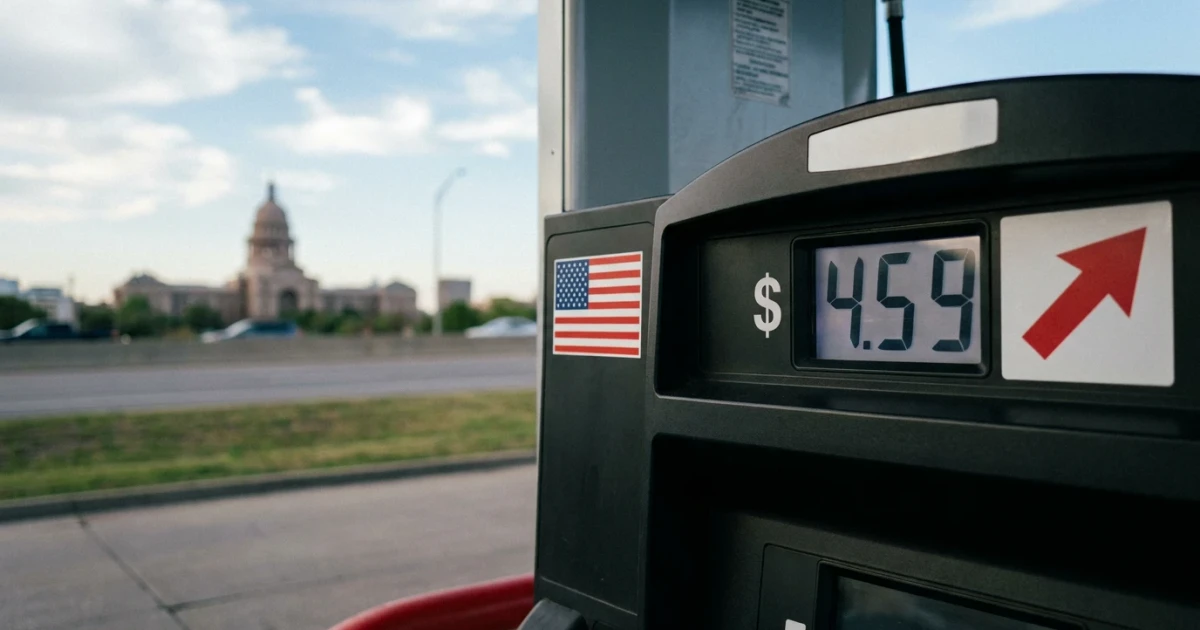
Gas prices are rising again across the United States, impacting drivers from coast to coast but with significant differences depending on location. As Americans face steeper costs at the pump, analysts are examining both the causes of the surge and the regions most affected.
Nationwide Increase Hits Consumers
According to recent coverage by ABC News, the latest spike in gas prices has led U.S. drivers to collectively spend $125 million more compared to previous weeks. This upward trend is reflected in national averages tracked by organizations such as AAA, which show that the national average price for regular gasoline has moved higher in recent days.
- National average prices are updated daily on the AAA State Gas Price Averages map
- Weekly data and regional breakdowns are available from the U.S. Energy Information Administration
The increase is attributed to a combination of rising crude oil prices, seasonal demand as the summer driving season approaches, and ongoing disruptions in some supply chains. The EIA’s Short-Term Energy Outlook points to these factors as key contributors, noting that prices tend to fluctuate more sharply during periods of increased travel and refinery maintenance.
Where Gas Is Most and Least Expensive
The ABC News report highlights that the distribution of price hikes is not uniform. California continues to lead as the state with the most expensive gas, with averages consistently higher than the national mean. Factors such as higher state taxes, stricter environmental regulations, and unique fuel formulations contribute to the elevated costs on the West Coast.
By contrast, states in the South and Midwest—such as Texas, Oklahoma, and Arkansas—often report the lowest average prices, according to interactive tables from FuelEconomy.gov. These regions benefit from proximity to Gulf Coast refineries and lower transportation costs, helping to keep local prices down even when the national average rises.
- California, Hawaii, and Washington are among the top for highest average prices
- Texas, Mississippi, and Louisiana rank among the lowest
What’s Driving the Price Surge?
Analysts cited by ABC News and the Energy Information Administration point to several converging factors:
- Crude Oil Prices: Global oil markets have seen prices climb due to international supply cuts and increased demand.
- Seasonal Demand: Warmer weather and the approach of summer holidays traditionally boost gasoline consumption in the U.S.
- Refinery Maintenance: Scheduled maintenance at major refineries reduces output and can tighten supplies, particularly in certain regions.
While the trend has been widespread, local events—such as refinery outages or state-specific policy changes—can lead to even sharper increases in certain markets.
Impact on Consumers and Outlook
The surge means Americans are now spending considerably more at the pump. As noted by ABC News, the $125 million incremental cost is hitting household budgets, particularly for those who rely on driving for work or essential activities.
According to the Bureau of Labor Statistics, these increases can have knock-on effects for inflation, as higher transportation costs often translate into more expensive goods and services.
Future Price Predictions
Experts referenced in the EIA’s Short-Term Energy Outlook anticipate that while prices may remain volatile, they could stabilize later in the year as refineries complete maintenance and summer demand wanes. However, geopolitical events and weather disruptions remain unpredictable variables in the market.
How Drivers Can Track Prices
Consumers looking to monitor local price trends can use resources like the AAA gas price map and FuelEconomy.gov state-by-state tables. These sites provide up-to-date averages and can help drivers find cheaper fuel in their area.
As the summer driving season approaches, experts recommend keeping an eye on these resources and considering travel adjustments or fuel-saving strategies where possible.
With prices fluctuating and regional gaps persisting, American drivers will continue to feel the effects of this year’s gas price surge—at least for now.