Business
Gas prices ease, but analysts warn relief could take months
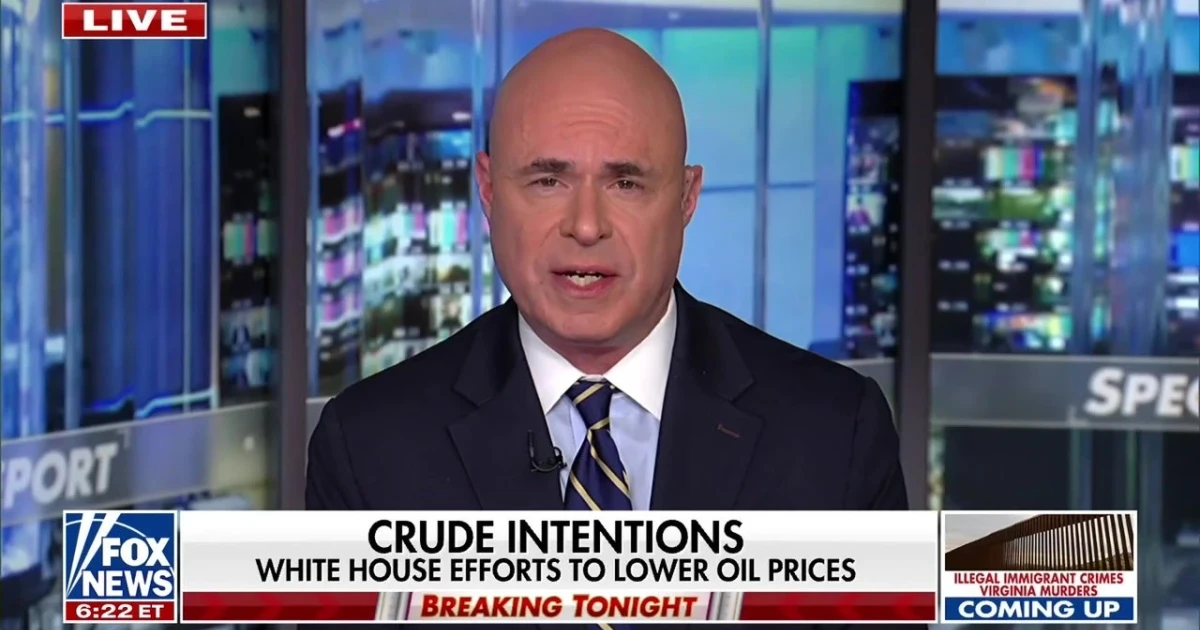
Gasoline prices have eased from their postwar peaks, but drivers are still paying close to $4 a gallon, and analysts say the timeline for meaningful relief could stretch for months. Kevin Book said on Face the Nation with Margaret Brennan that it could take “a while” for prices to return to pre-Iran war levels, as the market works through uncertainty and depleted oil reserves.
The national average price of regular gasoline slipped to $3.99 on June 18 after nearly four straight weeks of declines, according to AAA. By June 21, AAA put the average at $3.938, a sign that pump prices were cooling, but only gradually. Earlier CBS News coverage had already shown how quickly the conflict pushed consumer costs higher: in the eight weeks after the war began, gas prices climbed above $4 a gallon and inflation hit its highest level in nearly two years.
The Energy Information Administration said in its June 9 Short-Term Energy Outlook that global oil markets remained in a period of heightened volatility because the Strait of Hormuz had been effectively closed for most shipping traffic. The agency said oil shipments were expected to resume in the third quarter of 2026, but traffic would not return to pre-conflict levels until early 2027. In another assessment, the EIA said Middle East producers cut crude oil production by more than 11 million barrels per day in May compared with pre-conflict levels, driving large inventory draws across the market.
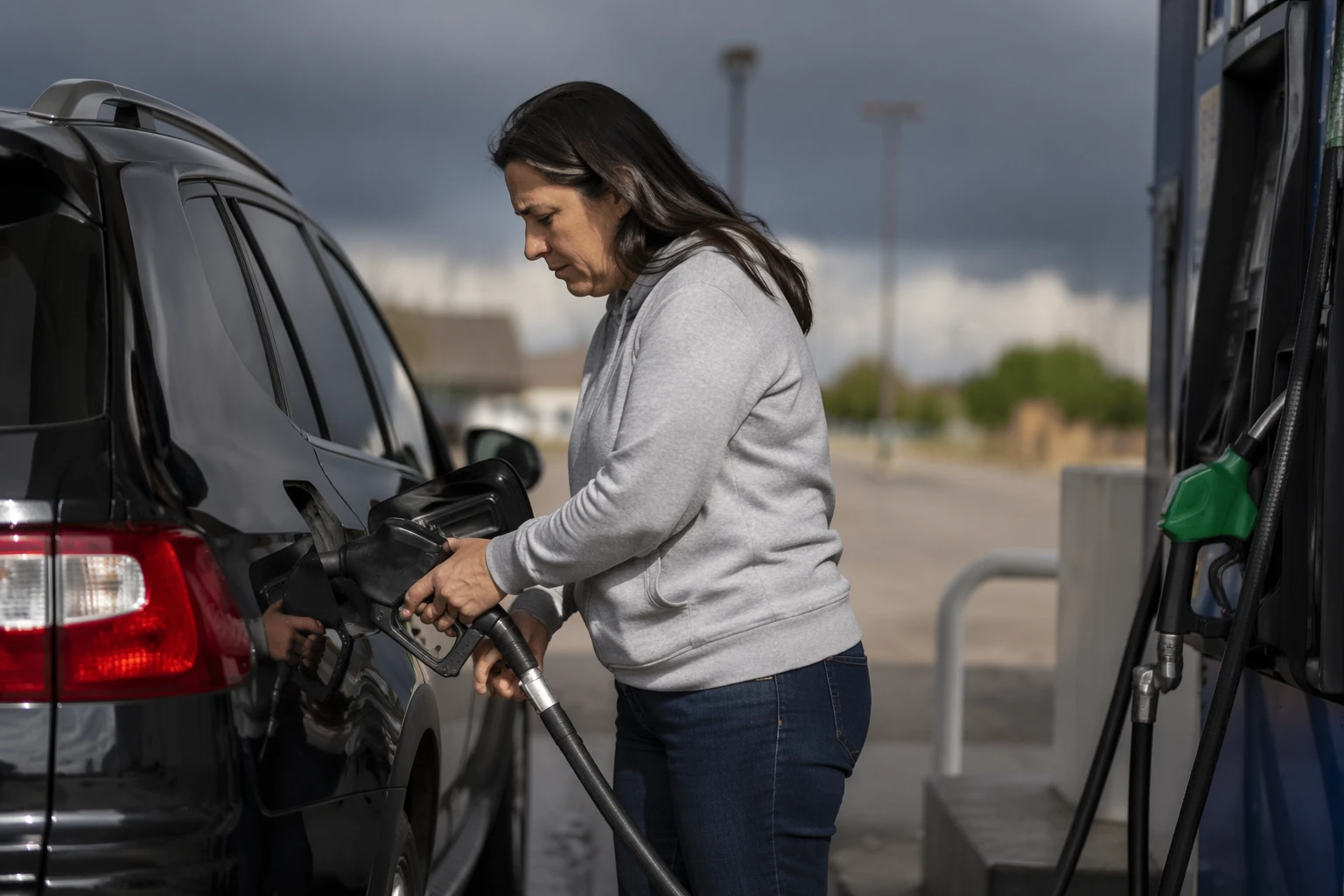
That matters because the Strait of Hormuz is one of the world’s most important energy chokepoints. The EIA says about 20 million barrels per day of oil flow through the strait, roughly one-fifth of global petroleum liquids consumption. When that flow is disrupted, crude prices can move almost immediately, but the effect on gasoline is slower and more stubborn because crude still has to move through tankers, refineries and distribution networks before it reaches gas stations.
That lag is why a quick reopening of the strait would not translate into instant relief at the pump. CBS News reported earlier that oil prices could fall immediately if the waterway reopened, but gasoline would trail because supplies need time to rebuild and refinery output must work its way through the system. Amos Hochstein, described by CBS News as a former Biden administration senior energy adviser and Middle East negotiator who is now managing partner at TWG Global, has discussed how a U.S.-Iran deal could affect Iranian oil revenue.

For consumers, the key question is not just whether the fighting stops, but whether shipping lanes stay open long enough for inventories to recover. If tanker traffic normalizes quickly and crude production rebounds, gas prices can follow. If closures, cuts and inventory draws persist, relief at the pump could remain slow well into next year.
Sources
- [1]cbsnews.com
- [2]gasprices.aaa.com
- [3]newsroom.aaa.com
- [4]eia.gov