Business
Gas prices fall below $4 a gallon as crude eases
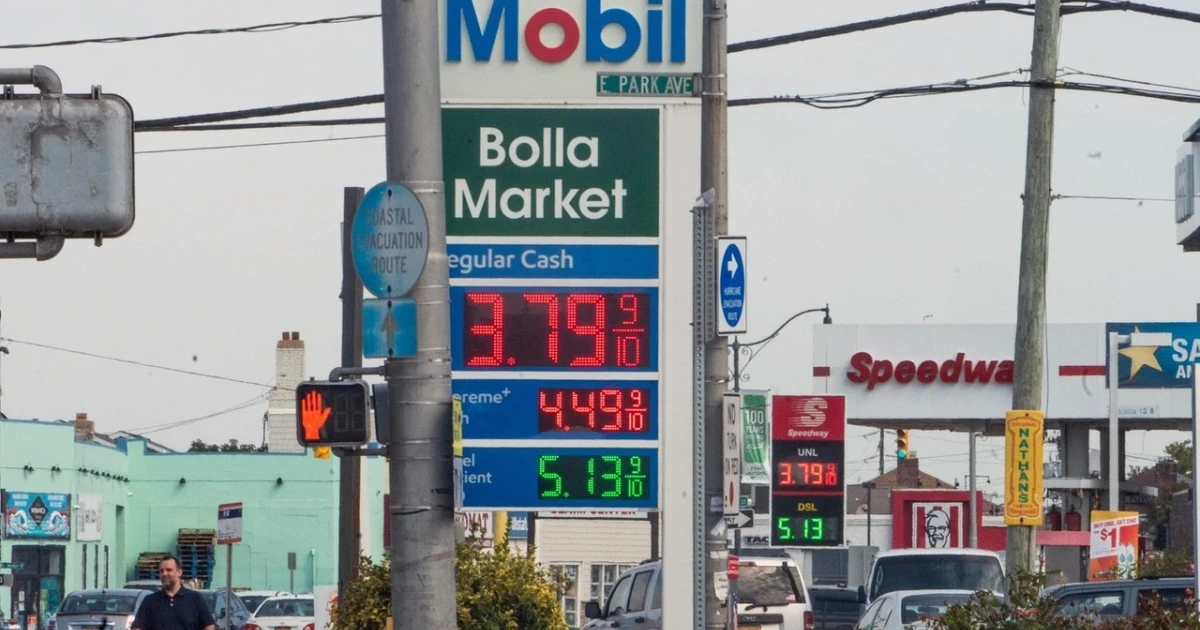
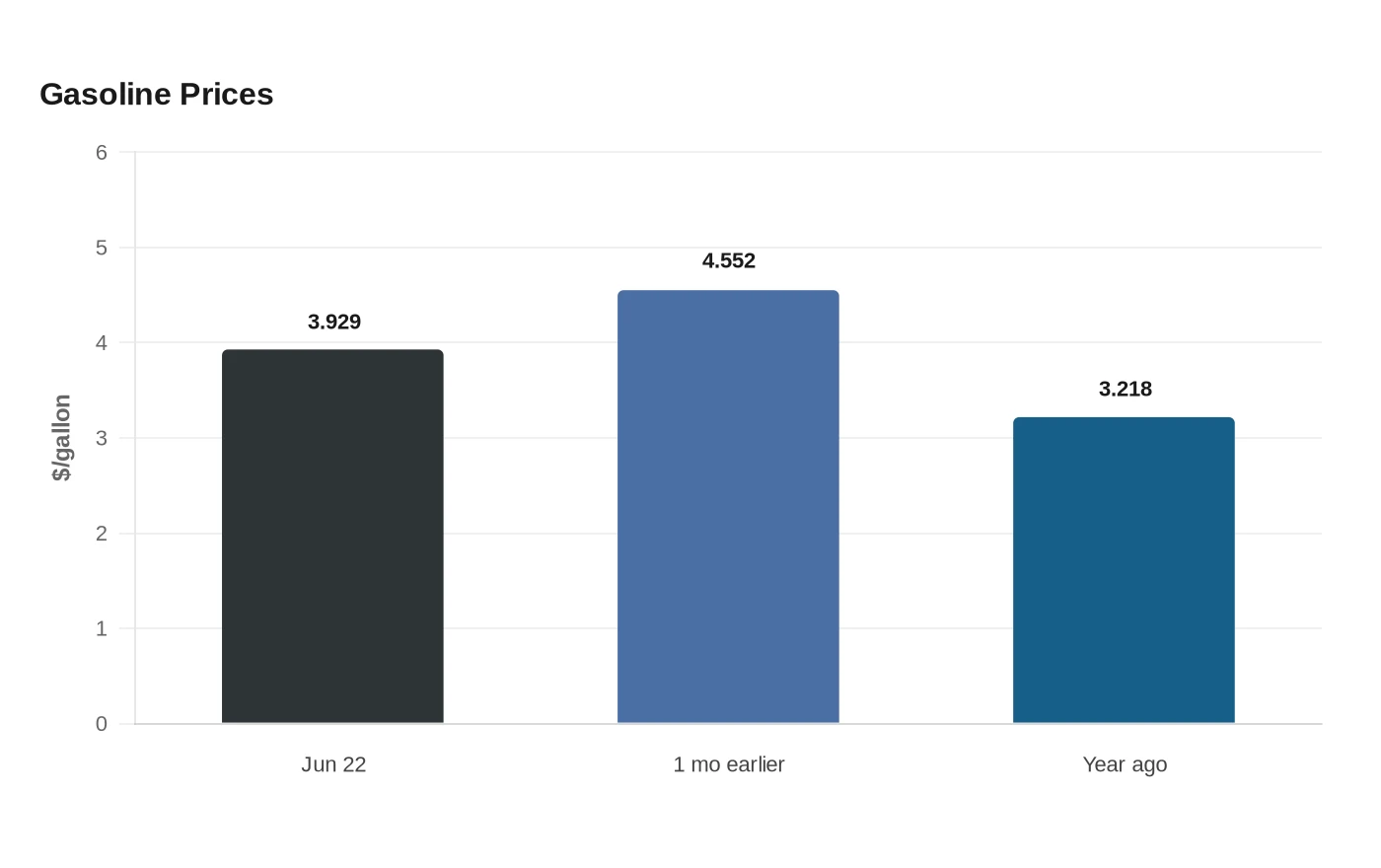
Gasoline is finally offering some relief to drivers, with the national average for regular fuel slipping below $4 a gallon for the first time since March 30. AAA put the June 22 average at $3.929, down 13.6% from $4.552 a month earlier and nearly four straight weeks into a decline.
The biggest force behind the drop is crude oil. AAA linked the retreat to lower crude prices after the United States and Iran reached a deal to reopen the Strait of Hormuz, calming fears that had helped drive prices sharply higher. ABC News reported West Texas Intermediate crude at about $75.50 a barrel on June 22, more than 20% below a month earlier, and said the national average had fallen to $3.92, or 62 cents less than a month ago.
That relief is meaningful, but it is not a return to cheap gas. Late February still saw the national average below $3 a gallon, and AAA’s year-ago average was $3.218, well below current levels. The drop has brought prices down from their recent spike, but the market is still digesting a shock, not resetting to last winter’s conditions.

What matters next is which pressures fade and which stick. The easing of geopolitical risk could continue to support lower crude if the Strait of Hormuz deal holds, and crude oil normally makes up slightly more than half of what drivers pay at the pump. But summer demand usually pushes gasoline prices higher, and refining costs, taxes, distribution and local shortages can keep regional prices elevated even when crude falls.
That is why the national average can obscure where the pain remains. The U.S. Energy Information Administration forecast in January that U.S. gasoline prices would fall 6% in 2026 and rise 1% in 2027, with prices declining in every U.S. region this year. Even so, the West Coast is expected to remain the highest-priced region through 2027, while the Gulf Coast stays the lowest-priced.
Tyler Schipper, an economics professor at the University of St. Thomas, told ABC News he expects prices to keep easing over the coming weeks, but said the pace will probably slow. That fits the broader pattern: some of the supply relief is already in prices, and any fresh rise in crude, refinery disruptions or stronger summer driving could quickly blunt the benefit at the pump.
Sources
- [1]abcnews.com
- [2]gasprices.aaa.com
- [3]newsroom.aaa.com
- [4]eia.gov