Business
Gas Prices Surge as Iran Conflict Impacts U.S. Drivers
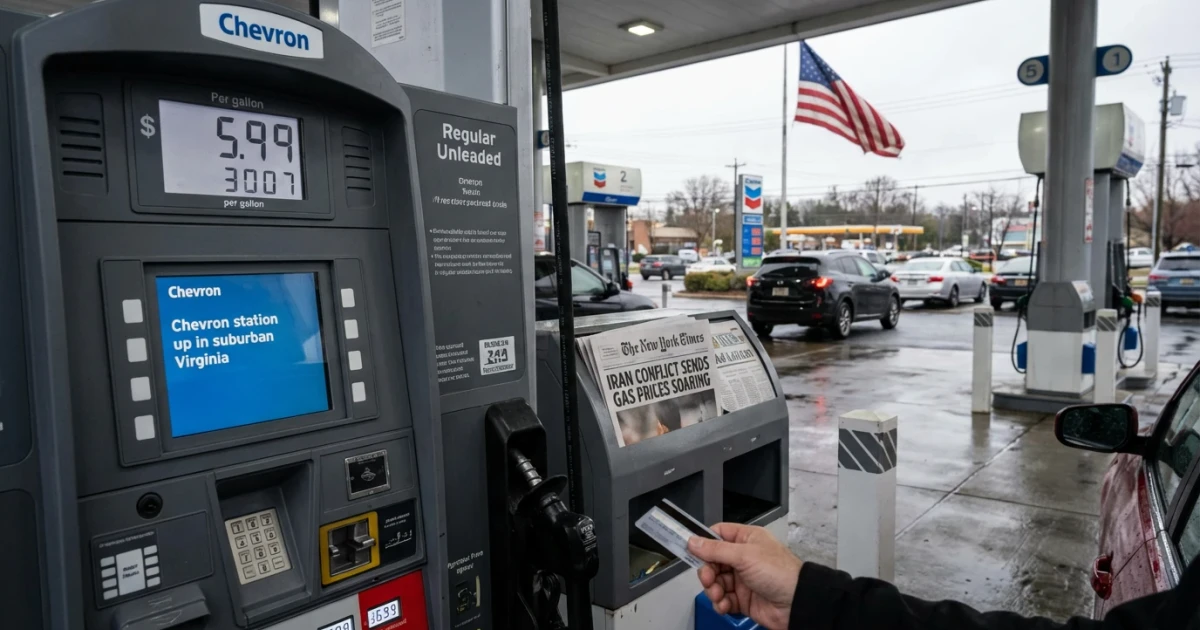
U.S. gas prices have surged sharply in the past two weeks, with some states seeing increases of over 30%, as the ongoing conflict in Iran sends shockwaves through global energy markets. At local stations across the country, American drivers are feeling the squeeze, confronting both higher costs and uncertainty about the future course of prices.
Rising Prices Directly Affect Consumers
At a single gas station, the impact of the Iran war is evident in the everyday routines of drivers. Stories emerging from communities nationwide echo a common theme: filling up the tank has become notably more expensive and, for some, a source of stress. As The Washington Post highlighted, ordinary Americans are now recalibrating their budgets and travel plans in response to the sudden price spike.
- Gasoline prices have jumped by more than 30% in some states over the past two weeks, according to reports from The New York Times and The Washington Post.
- Nationwide, the average price for a gallon of regular gasoline has climbed sharply, with regional disparities reflecting supply logistics and local tax policies. Readers can track current and historical averages by state through AAA’s interactive map.
- The U.S. Energy Information Administration’s Gasoline and Diesel Fuel Update provides weekly updated national and regional average prices, along with historical data charts.
Drivers Adjust to Higher Costs
For many, the spike in prices has meant altering daily routines. Commuters are consolidating errands, considering carpooling, or opting for public transportation. The Washington Post detailed the experience of two drivers at a local station who, faced with the new reality of elevated costs, are weighing whether to fill up completely or buy only as much gas as they can afford at a time.
Such decisions underscore the broader economic anxiety caused by fuel price volatility. The strain is particularly acute for lower-income households and workers who depend on cars for their livelihoods. According to the Bureau of Labor Statistics Consumer Price Index data, gasoline is a key component of household energy expenditures, and sudden increases can ripple through other areas of the budget.
Global Tensions Drive Market Uncertainty
The immediate trigger for the price surge is the ongoing conflict involving Iran, a major oil producer. Disruptions in global oil supply have contributed to higher gasoline prices at the pump, as markets react to potential shortages and heightened geopolitical risk. The Energy Information Administration has analyzed how such events in the Middle East can quickly affect U.S. gasoline prices, noting the interplay between crude oil prices, refining capacity, and consumer costs.
Economic Ripple Effects
Experts warn that sustained high gasoline prices could have broader economic implications, potentially fueling inflation and slowing consumer spending. The Federal Reserve’s research on oil price shocks highlights how fuel costs can affect everything from transportation to the price of goods and services throughout the economy.
- According to the EIA’s historical weekly gasoline price data, the current spike is among the most rapid seen in recent years.
- Inflationary pressures may persist if oil markets remain unsettled, with price increases filtering into other sectors.
Looking Ahead
With uncertainty in the Middle East showing few signs of abating, analysts suggest that volatility at the pump may continue in the coming weeks. Policymakers are monitoring the situation closely, but for many Americans, the immediate question is how to manage higher fuel bills as they wait for relief. As the headlines make clear, the global repercussions of conflict are felt directly at the neighborhood gas station, one fill-up at a time.