Business
Gas Prices Surge Nationwide Amid Iran Conflict
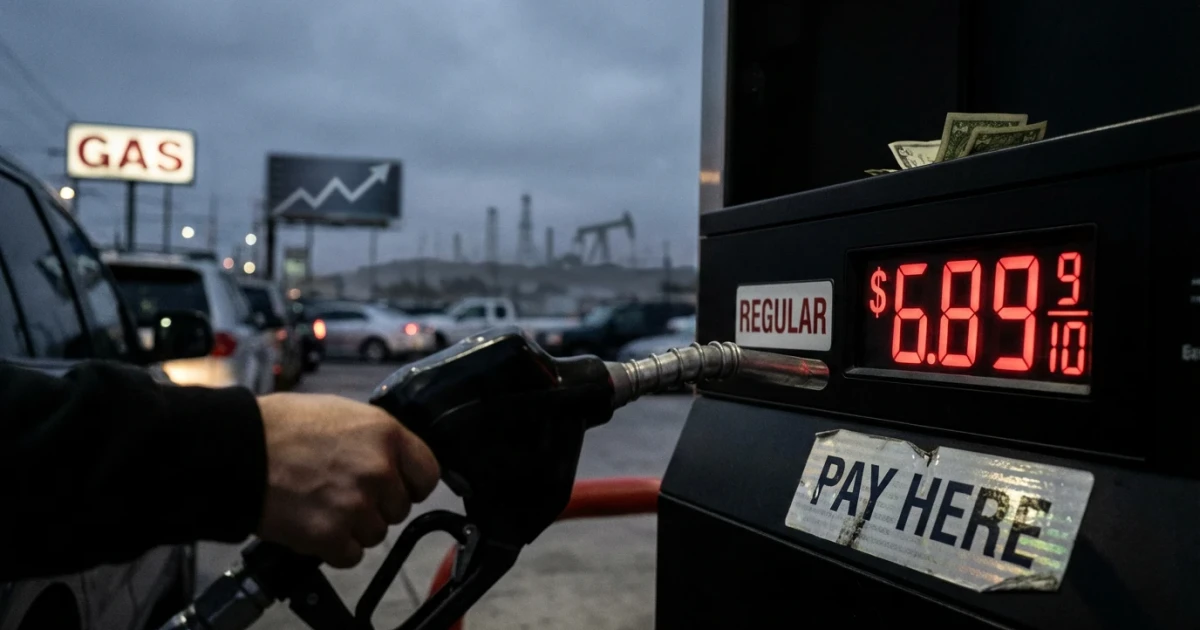
Americans across the country are feeling the squeeze at the pump as gasoline prices soar in the wake of the ongoing war with Iran, underscoring the nation’s reliance on global energy markets and raising concerns about household budgets and economic recovery.
Gasoline Prices Hit Multi-Year Highs
The conflict with Iran has sent shockwaves through oil and gasoline markets, with California seeing some of the sharpest increases. According to the Associated Press, prices in parts of California have surged past $5 per gallon, a milestone not seen since previous geopolitical shocks. This rapid rise has left many drivers reeling at the cost of filling up their vehicles.
- National average gasoline prices have climbed steadily since hostilities began, tracking closely with the jump in global crude oil prices.
- California’s weekly retail gasoline prices now average over $5, well above the national average due to the state’s unique fuel blend requirements and higher taxes.
- Other states are also seeing significant increases, with the national average approaching $4.25 per gallon according to AAA, the highest levels since 2022.
War With Iran Disrupts Oil Supply
The war with Iran has caused disruptions in global oil supply chains, pushing crude prices higher and leading to immediate impacts at the retail level. The U.S. Energy Information Administration (EIA) notes that oil markets are highly sensitive to geopolitical risks, particularly in the Middle East, where a significant portion of the world’s oil is produced and shipped. Even the threat of reduced supply or transport bottlenecks can spark price volatility.
Iran’s role as a major oil exporter means that any conflict involving its territory or shipping lanes, such as the Strait of Hormuz, can have outsized effects on global supply and prices. As a result, U.S. drivers are now bearing the brunt of these market disruptions, with little immediate relief in sight.
Public Response: Frustration and Calls for Action
The AP reports a growing sense of aggravation among Americans as they grapple with sticker shock at the pump. Many are adjusting household budgets, cutting back on discretionary driving, or seeking fuel-efficient alternatives. The widespread frustration is uniting Americans across political and regional lines, with calls for government intervention, fuel tax holidays, or strategic reserve releases growing louder.
When Will Relief Arrive?
Analysts say that relief from high gasoline prices depends on the duration and intensity of the conflict, as well as the ability of other oil producers to boost output and stabilize markets. The EIA’s Short-Term Energy Outlook suggests that prices will remain elevated as long as uncertainty persists in the Middle East. Strategic petroleum reserve releases or temporary policy measures may offer some relief, but the underlying supply-demand imbalance is likely to keep prices high in the near term.
Key Factors Affecting Gas Prices
- Global crude oil prices, driven by supply threats from major exporters like Iran
- Regional differences in fuel taxes, environmental regulations, and refinery capacity
- Consumer demand, which tends to rise in spring and summer travel seasons
For readers interested in tracking the latest data, the Federal Reserve Economic Data (FRED) and the EIA’s weekly gasoline price tables provide up-to-date statistics and historical trends for both national and state-level prices.
Looking Ahead
With the Iran conflict showing no immediate signs of resolution, experts warn that Americans may need to brace for an extended period of higher gas prices. Policymakers face tough choices about how to mitigate consumer pain while maintaining energy security. In the meantime, drivers across the nation are united by a shared sense of frustration—and by the hope that the road to relief will not be a long one.