Health
Gavi plans vaccine shift as restored U.S. funding boosts malaria work
Gavi is preparing to put restored U.S. money into malaria prevention and broader immunization work, but the return of funding comes with strings that could reshape how the alliance chooses vaccines and talks about them. The global vaccine buyer wants to use $600 million in soon-to-be-restored U.S. support to widen access, while also meeting Washington’s demand that thimerosal-containing vaccines be phased out.
That trade-off matters because Gavi is one of the largest purchasers for lower-income countries, and its choices can determine which vaccines reach children across Africa, Asia and other places with fragile health systems. The alliance has already been moving toward newer products, including the pentavalent Men5CV meningococcal vaccine and a six-disease vaccine, rather than older formulations. Those newer vaccines do not contain thimerosal, the mercury-based preservative that U.S. officials have pressed international groups to avoid.
The malaria program is where the restored money could land fastest. Gavi said 25 African countries had introduced malaria vaccines into routine immunisation by Jan. 28, 2026, and more than 52 million doses had been delivered since 2023. The alliance wants to help countries fully vaccinate 50 million additional children against malaria from 2026 to 2030, and its market-shaping plan calls for 40 million to 60 million doses by 2026, rising to 80 million to 100 million by 2030.
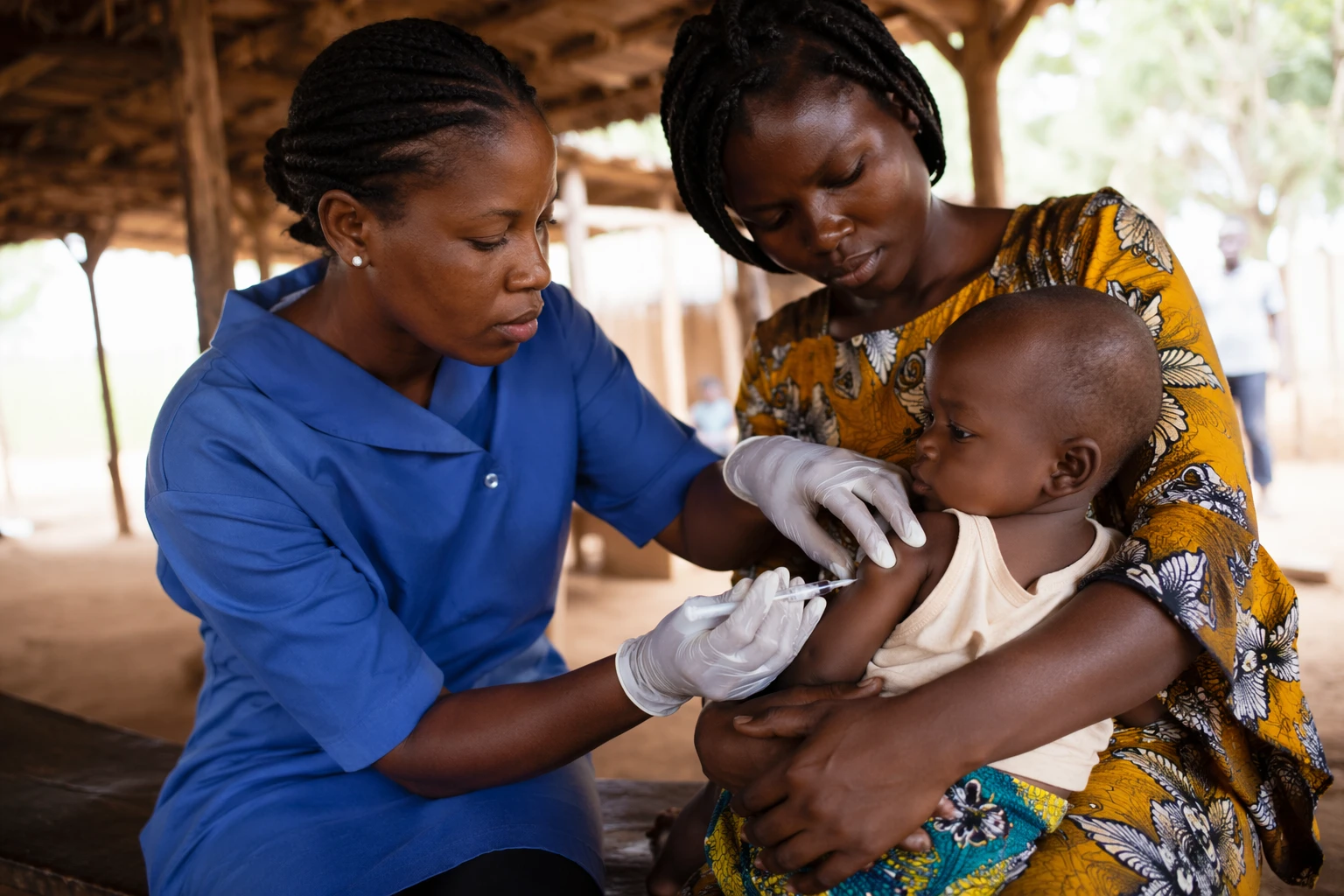
The public-health case is strong. The World Health Organization recommends RTS,S/AS01 and R21/Matrix-M for children in malaria-endemic areas with moderate to high transmission, and the Centers for Disease Control and Prevention says current malaria vaccines cut uncomplicated malaria by about 40%, severe malaria by about 30% and all-cause mortality by 13%. WHO said in May 2026 that new evidence from African rollout programs confirmed the vaccines save child lives, while Gavi says WHO estimates one life is saved for every 200 children vaccinated.
The funding also reinforces Gavi’s broader influence on vaccine markets. U.S. annual contributions rose from $48 million in 2001 to $300 million in 2024, and at the launch of Gavi’s Investment Opportunity 2026-2030, Washington pledged at least $1.58 billion over five years. Gavi says its new six-year strategy, Gavi 6.0, runs through 2030, a period when long-term donor commitments will shape what countries can plan, buy and deliver.
The meningitis work shows how that market-shaping role already operates. Gavi says Men5CV was WHO-prequalified in July 2023, and by the end of 2024 its stockpile had been used 68 times by 16 countries, with more than 34.4 million doses shipped. Nigeria received more than 1 million doses in April 2025 as an outbreak spread across 23 states, with more than 70 deaths and more than 800 cases. In Africa’s meningitis belt, Gavi says about 500 million people across 26 countries are at risk, making the alliance’s next vaccine choices central to disease control across the region.
Sources
- [1]wsau.com
- [2]usnews.com
- [3]gavi.org
- [4]who.int
- [5]cdc.gov