World
Gaza Flotilla Intercepted by Israel, Activists Released in Crete
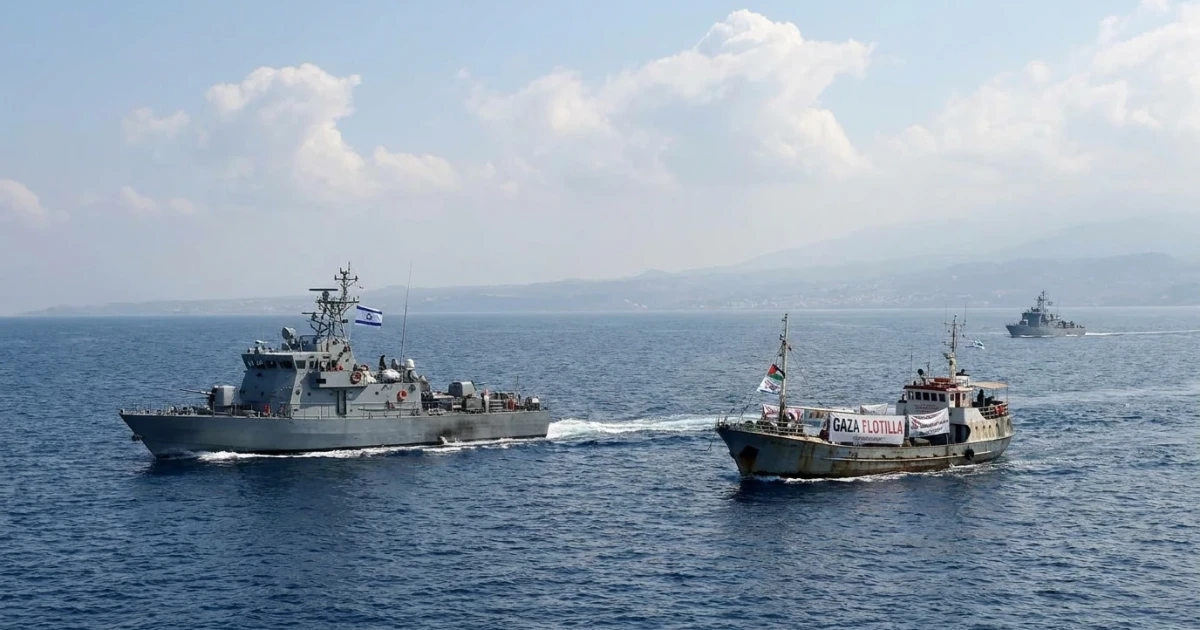
Israeli naval forces intercepted a Gaza-bound flotilla near Crete, detaining 175 activists before releasing them in Greece, in an episode that underscores persistent maritime tensions surrounding the Gaza Strip. The flotilla, named Global Sumud, was halted late April as it attempted to challenge Israel’s long-standing naval blockade of Gaza.
Flotilla Intercepted Near Crete
According to reports from BBC, the interception took place in international waters off the coast of Crete. Israeli authorities detained 175 activists on board, who were attempting to reach Gaza in defiance of the naval blockade imposed by Israel. The flotilla, composed of several vessels, carried participants from various countries, aiming to draw attention to humanitarian conditions in the Gaza Strip.
Activists Disembark in Crete
Following the interception, Euronews reported that the detained activists were transported to the Greek island of Crete, where they disembarked without further incident. No reports of violence or injuries emerged from the operation. The Israeli military maintained that the interception was conducted to prevent unauthorized entry into the waters off Gaza, citing security concerns associated with the ongoing blockade.
Context of the Gaza Naval Blockade
The naval blockade of Gaza has been in place since 2007, restricting the movement of goods and people to and from the coastal enclave. Israel argues that the measure is necessary to prevent weapons smuggling to militant groups in Gaza. However, humanitarian organizations and activists have repeatedly challenged the blockade, claiming it contributes to worsening living conditions for the region’s more than two million residents. Data compiled by the United Nations and the International Committee of the Red Cross documents the impact of restrictions on food, medical supplies, and reconstruction materials entering Gaza.
Maritime Challenges and International Attention
The Global Sumud Flotilla is the latest in a series of maritime attempts to breach the blockade. Previous flotillas have similarly been intercepted, sometimes resulting in international controversy and diplomatic fallout. According to Flotilla Facts, dozens of such missions have occurred since 2008, with varying outcomes ranging from peaceful turn-backs to violent confrontations.
- 175 activists detained during the latest operation
- Interception occurred near Crete, in international waters
- Activists were released and disembarked in Greece
Legal Debate and Public Narrative
The legality of Israel’s maritime blockade, and its right to intercept vessels in international waters, remains a matter of debate among legal experts. Analyses such as those found on Lawfare Blog review international law, treaties, and precedents, concluding that while blockades are recognized in armed conflicts, their proportionality and humanitarian impact are subject to scrutiny.
Meanwhile, the incident has again brought the situation in Gaza to the forefront of international media. Euronews noted that Israel’s handling of the interception was aimed at controlling the narrative, seeking to avoid escalation and minimize negative publicity. The activists, upon their release in Crete, continued to voice concerns about the humanitarian situation in Gaza.
Ongoing Humanitarian Concerns
The United Nations and international organizations continue to monitor and report on the state of border crossings and access to essential goods in Gaza. Recent data shows fluctuating levels of humanitarian access, with periodic increases and decreases in the movement of aid and commercial supplies. The most recent flotilla episode adds to the ongoing debate over access, security, and the future of Gaza’s residents.
Looking Ahead
While the Global Sumud Flotilla did not reach its destination, its interception underscores the enduring disputes over Gaza’s maritime boundaries and the humanitarian implications of Israel’s blockade. As international attention is once again drawn to the region, diplomatic and civil society efforts to address the blockade’s impact are likely to persist.