World
Gdynia wins UNESCO heritage status for modernist cityscape
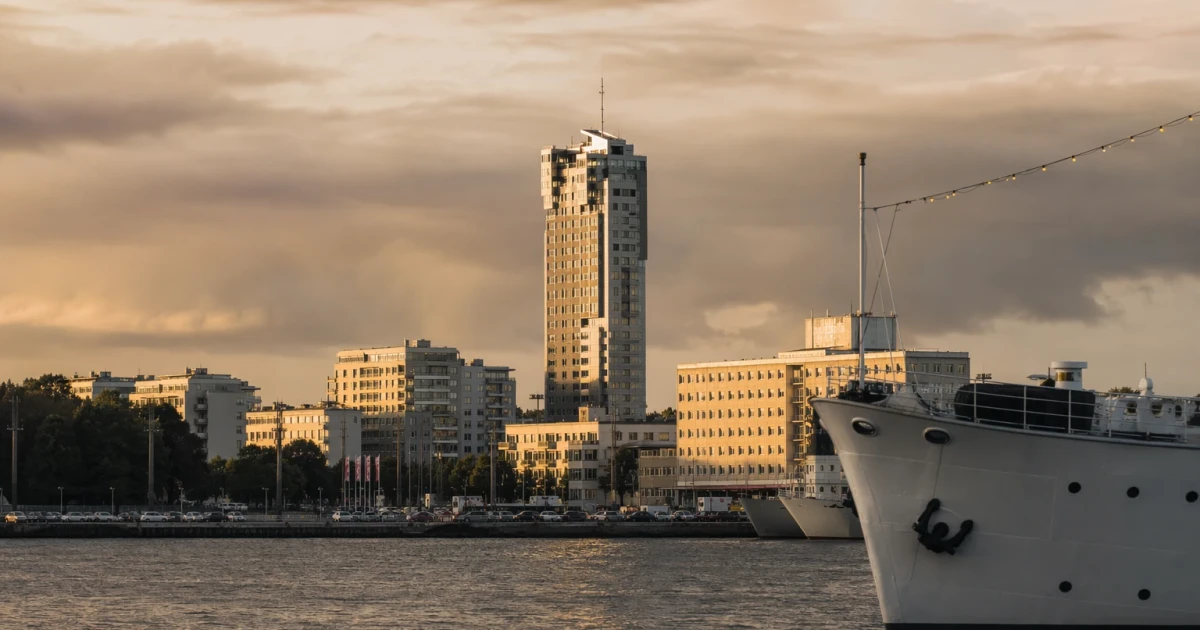
Gdynia won UNESCO heritage status, giving Poland’s planned Baltic port a new place in the global debate over what 20th-century architecture deserves protection. The designation puts the city’s modernist streetscapes and interwar urban planning in a category that can draw tourism, conservation funding and closer scrutiny of redevelopment plans.
The city’s heritage campaign has described the center as "unique on a global scale" and as Poland’s gateway to the world. It said the application to include Gdynia’s early modernist center on the UNESCO World Heritage List was officially submitted in 2023, after more than twenty years of work. The campaign also says the Early Modernist City Centre of Gdynia is one of only 17 Polish entries on UNESCO’s tentative list, a reminder of how selective the path to inscription has been.
UNESCO’s World Heritage Centre listed the site under the title Modernist Centre of Gdynia, the example of building an integrated community. The nomination was among those set for examination at the World Heritage Committee’s 48th session in Busan, Republic of Korea, scheduled for July 19 to 29, and UNESCO documents dated June 5 placed Gdynia among the properties under review.
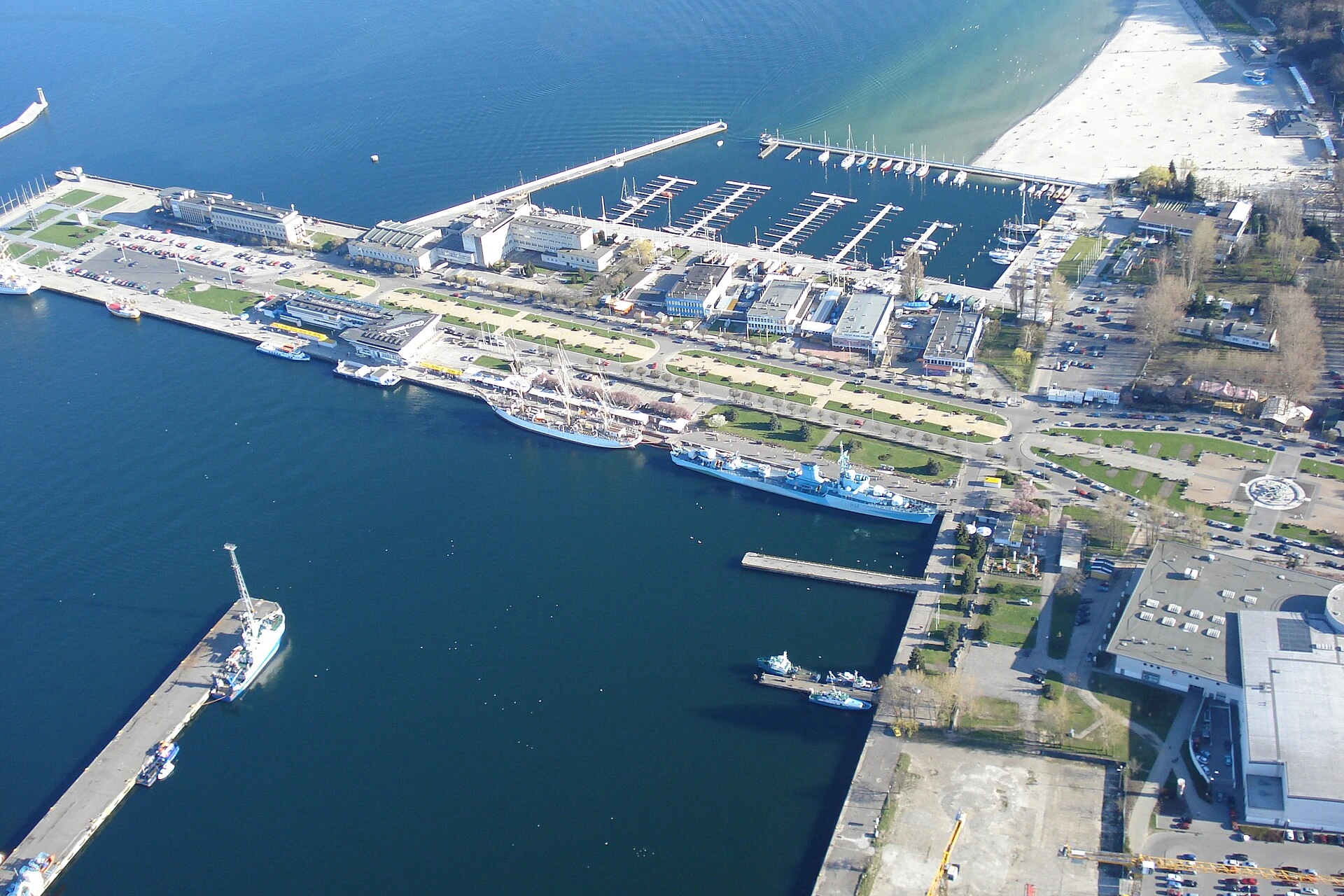
For Gdynia, the practical stakes are immediate. UNESCO recognition can strengthen preservation efforts for buildings and public spaces that define the city’s architectural identity, while giving local authorities and conservation groups a stronger argument against hasty redevelopment or neglect. It can also increase educational interest and tourism in a city that is less globally famous than older Baltic ports.
The broader significance reaches beyond Poland. Gdynia was built in step with the ambitions of a modern maritime state, and its ports, civic buildings and planned avenues capture a period when commerce, migration and national identity were being written into the urban fabric. Modernist landscapes are often more vulnerable than older monuments because they can be mistaken for utilitarian backdrops rather than heritage worthy of protection, even as they document a decisive chapter in European urban design.
Sources
- [1]reuters.com
- [2]whc.unesco.org
- [3]modernizmgdyni.pl
- [4]tvpworld.com