Science
GE Aerospace claims breakthrough in first high-altitude hybrid-electric flight
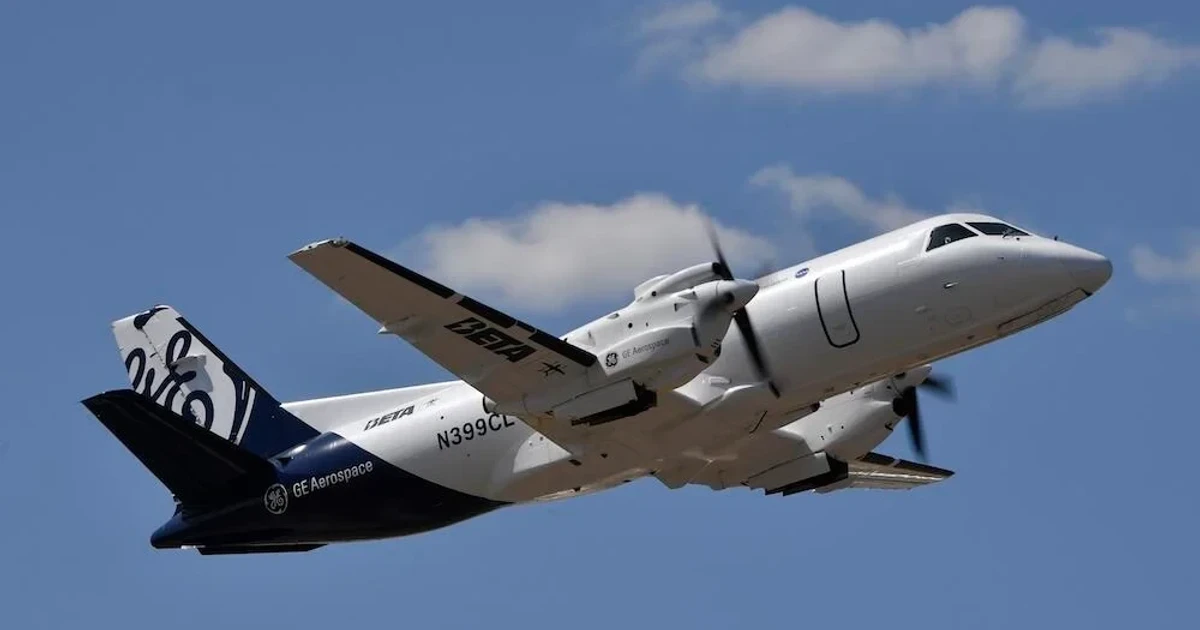
GE Aerospace said it flew a Saab 340 above 30,000 feet with hybrid-electric assistance, claiming the world’s first high-altitude flight of its kind. The test was tied to NASA, BETA Technologies and Boeing through GE’s Electrified Powertrain Flight Demonstration work and was shown at the Farnborough Airshow.
The practical change for commercial aviation is narrower than the headline. GE did not attach a percentage to the emissions cut, and hybrid systems are designed to trim fuel burn on the hardest parts of a mission, including takeoff and climb, rather than replace jet fuel altogether. That makes the technology a bridge for regional aircraft now and, later, the single-aisle jets GE has already pointed to as a target.
GE had completed megawatt-class hybrid-electric powertrain ground tests in June 2026, setting up the July 20 flight as the next step in the program. The company said in 2023 that it was developing hybrid-electric propulsion technology and planned flight testing this decade, underscoring how long the work has been moving from lab hardware toward the runway.
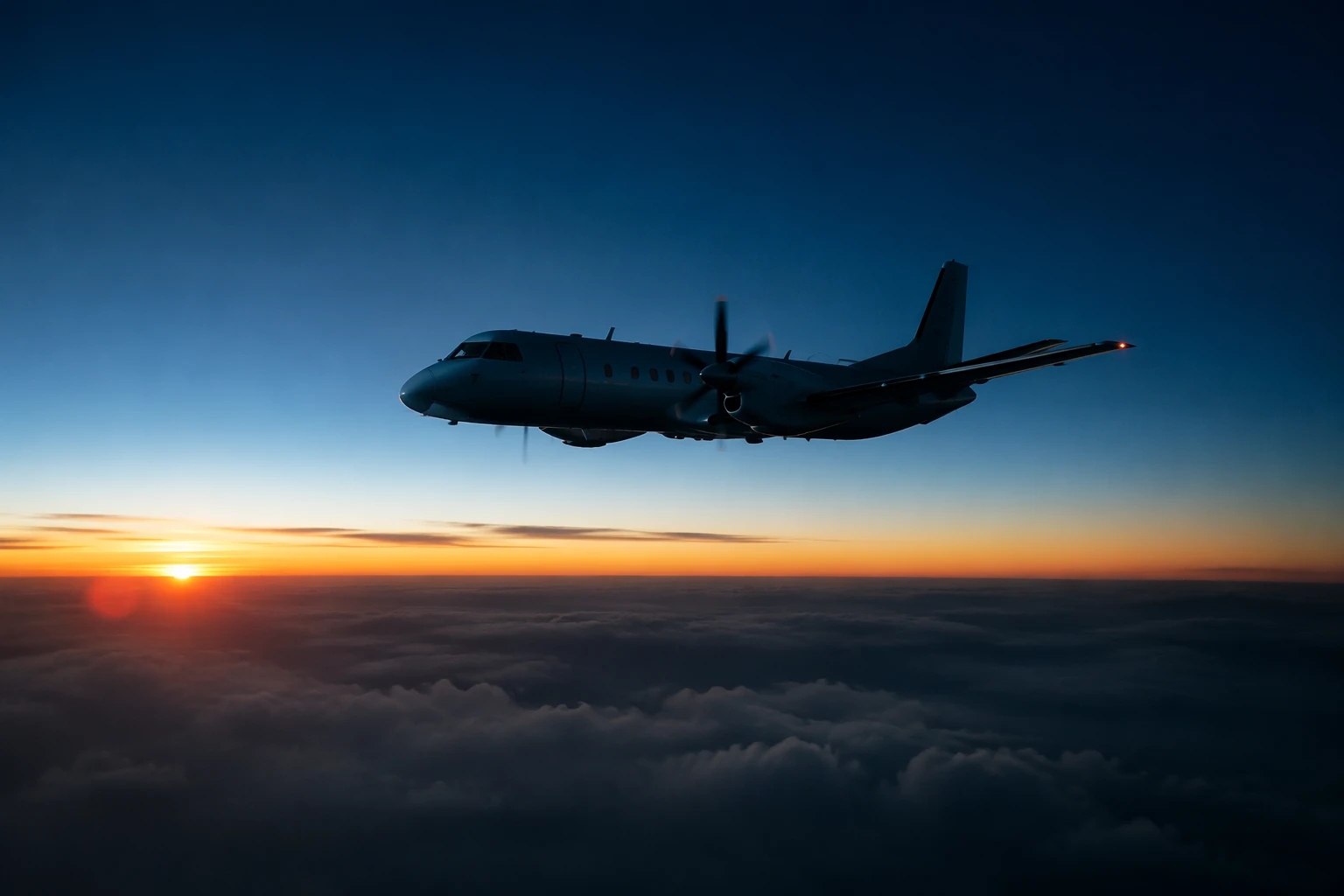
NASA has its own hybrid-electric aeronautics effort, HyTEC, and has described GE’s work as advancing hybrid-electric airliners. The technology matters because airlines, engine makers and regulators are under growing pressure to cut carbon emissions, but fully electric flight remains out of reach for large aircraft because batteries are still too heavy and lack the energy density needed for long-haul operations.
That leaves hybrid-electric propulsion as a bridge, not a destination. Any system must still prove reliability, safety, maintainability and cost-effectiveness before airlines will adopt it at scale, and aviation certification moves slowly even when the hardware works. GE’s push also sits inside a wider race in aerospace, where electrification, thermal management, materials science and software are becoming as important as the core engine itself.
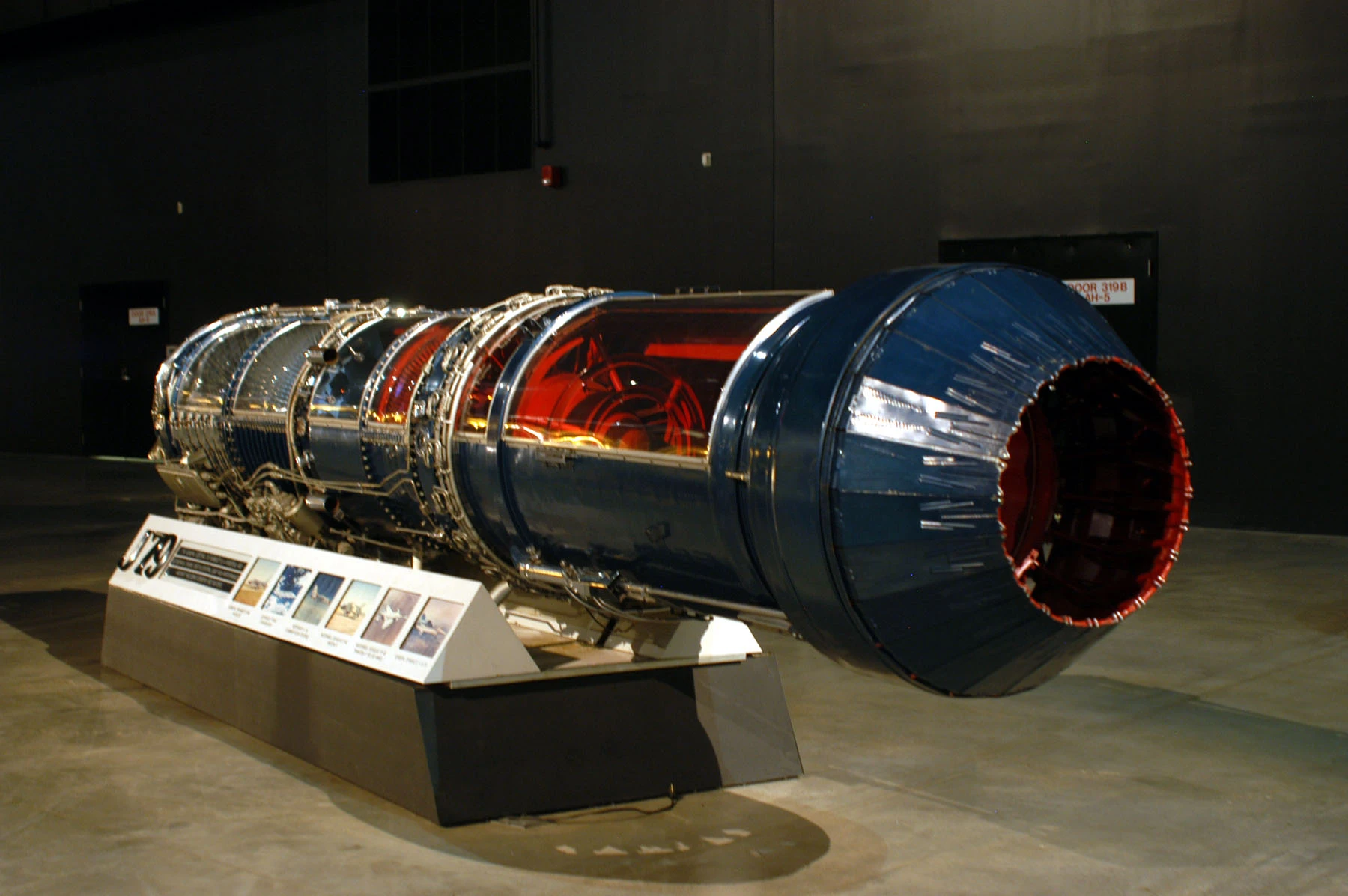
For now, the Saab 340 flight is best read as a real engineering milestone, not an immediate emissions solution. It shows that hybrid-electric power can be carried into the air at commercial-relevant altitude, but the distance from a high-altitude demonstration to routine airline service remains measured in years, not months.
Sources
- [1]reuters.com
- [2]geaerospace.com
- [3]nasa.gov
- [4]youtube.com
- [5]simpliflying.com
- [6]seattletimes.com