Lifestyle
Gen Z Drives Decline in U.S. Alcohol Consumption
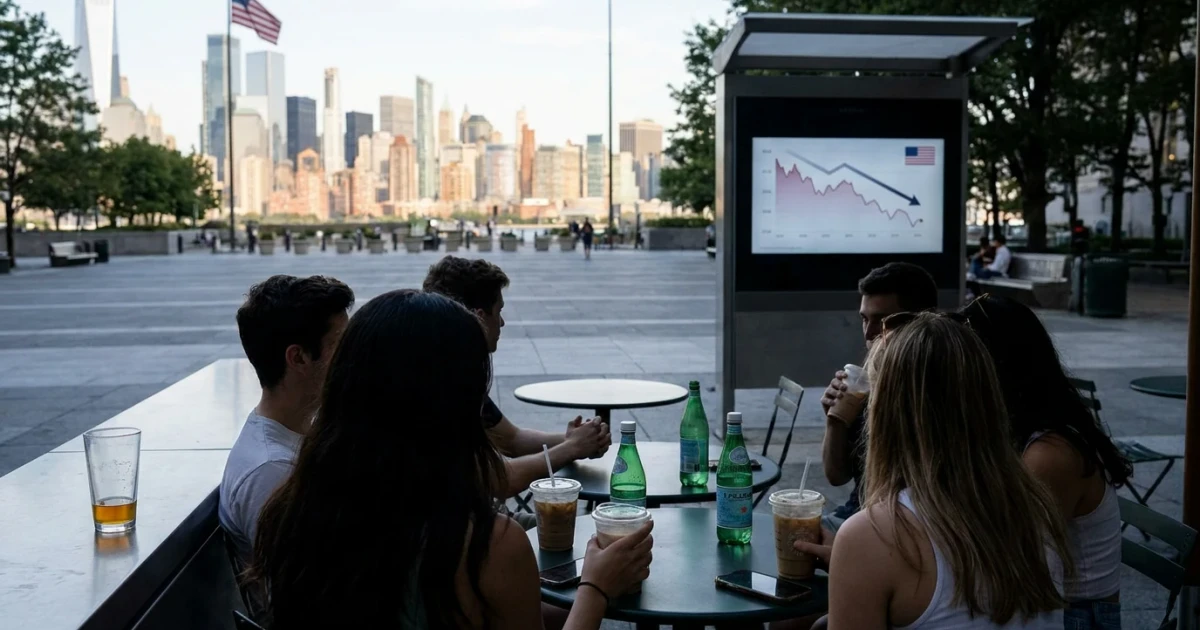
Gen Z is leading a notable shift in American drinking culture, as recent surveys and health data show a marked decline in alcohol consumption among youth and young adults. This generational change is influencing not only personal habits but also the broader landscape of social life and the alcohol industry.
Gen Z's Approach to Alcohol: Data and Trends
Multiple sources, including CDC statistics and the 2022 National Survey on Drug Use and Health, confirm that alcohol use rates among Americans aged 18-25 have declined over the past decade. According to the Monitoring the Future survey, the percentage of high school seniors who reported drinking alcohol in the past month fell from 52% in 2000 to just 28% in 2022. The trend continues among college-age adults, with binge drinking rates dropping notably in recent years.
- CDC data shows that only 37% of young adults reported consuming alcohol in the past month, compared to nearly 50% in previous generations.
- Statista charts indicate that Gen Z's alcohol consumption habits are shifting toward moderation, with many choosing low- or no-alcohol beverages.
- The Pew Research Center found that a majority of Gen Z respondents view excessive drinking as socially unacceptable.
Social Drivers Behind the Sobriety Shift
Spectrum News highlights that Gen Z's sobriety movement is fueled by a mix of health consciousness, social media influence, and a desire for authenticity. Unlike previous generations, many Gen Zers prioritize mental health and wellness, often opting for alcohol-free gatherings and sober social spaces. The popularity of terms like "mindful drinking" and "sober curious" reflects a growing cultural acceptance of abstaining from alcohol.
Peer-reviewed research from the National Center for Biotechnology Information supports the idea that Gen Z's reluctance to drink stems from concerns about health risks, addiction, and negative social consequences. Community organizations such as Rise Above the Bar have also reported increasing demand for alcohol-free events and support resources for young people.
Industry Response and Changing Marketing Strategies
The alcohol industry has begun to respond to these shifting preferences. Spectrum News notes that beverage companies are investing in non-alcoholic alternatives, including mocktails, alcohol-free spirits, and low-alcohol beer. Brands are increasingly targeting Gen Z with messages about balance, choice, and wellness, rather than promoting traditional drinking culture.
- Sales of alcohol-free beverages have grown by double digits in the past two years, according to industry reports.
- Major festivals and bars are offering sober options and promoting inclusive environments.
Implications for Public Health and Society
Experts suggest that Gen Z's reduced alcohol use may lead to positive long-term outcomes, including lower rates of alcohol-related accidents, chronic diseases, and addiction. The NIH notes that teen alcohol use is at its lowest level since the 1970s, which could translate to improved mental and physical health for future generations.
However, some analysts caution that the shift is not universal. Socioeconomic factors, regional differences, and cultural variations mean that alcohol use remains prevalent in certain communities. Ongoing education and support will be essential to sustain the positive trends observed among Gen Z.
Looking Ahead
As Gen Z continues to influence American drinking habits, stakeholders—from health organizations to beverage brands—are adapting to a new normal. The data suggest that moderation and sobriety are becoming mainstream, with potential benefits for public health and social well-being. Ongoing research and monitoring will help clarify the lasting impact of this generational shift.