Lifestyle
Gen Z Embraces Sleepmaxxing and Soft Living
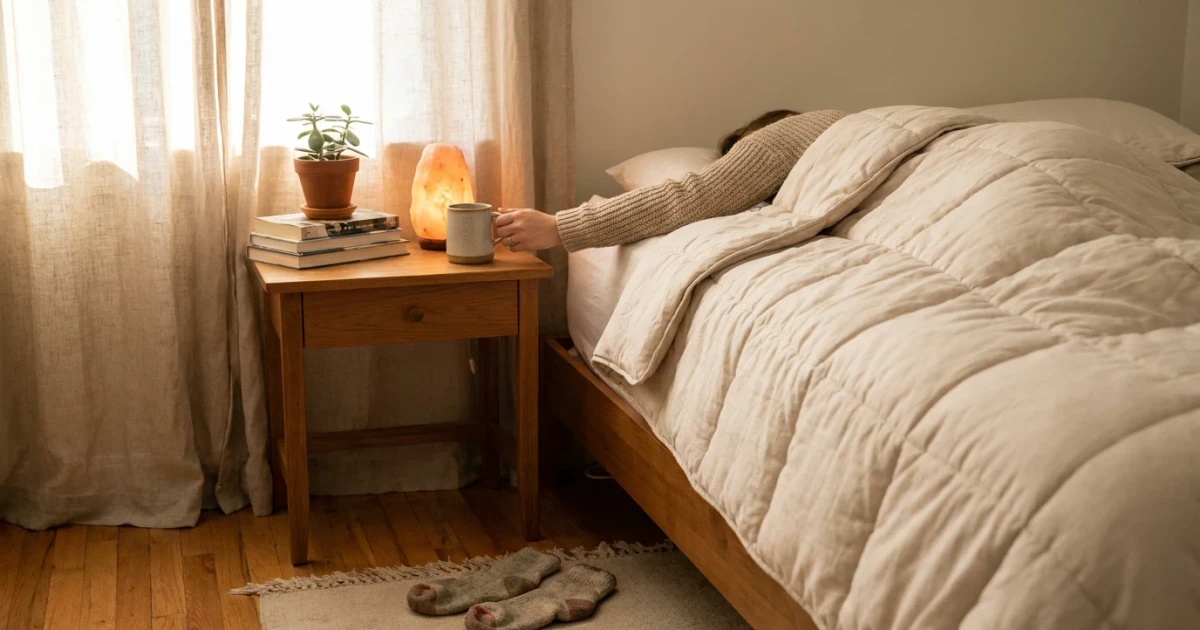
Gen Z is making waves in lifestyle culture, championing wellness, relaxation, and new forms of social interaction. Emerging trends like sleepmaxxing, soft living, and parallel play are reshaping how young adults approach daily life, offering a glimpse into the evolving priorities of a generation determined to balance productivity with self-care.
Sleepmaxxing: Prioritizing Rest and Recovery
Sleepmaxxing is Gen Z’s term for maximizing sleep quality and quantity, reflecting their commitment to well-being. Unlike previous generations, who often glamorized hustle culture and late nights, Gen Z actively seeks ways to optimize rest, from experimenting with sleep trackers to curating bedtime routines. According to research from the Sleep Foundation, Gen Z is increasingly aware of the importance of sleep for mental and physical health, with many reporting a desire to improve their sleep hygiene. Survey data shows that nearly 70% of Gen Z respondents prioritize sleep as a key component of their wellness routines, often using apps and wearable devices to track their sleep patterns.
- Gen Z averages 7-8 hours of sleep per night, higher than millennials.
- Sleepmaxxing includes practices like digital detox before bed, aromatherapy, and guided meditation.
- More than 50% report adjusting their social schedules to prioritize rest.
Soft Living: Slow Down, Simplify, and Self-Care
Soft living is another hallmark of Gen Z’s lifestyle, emphasizing ease, emotional wellness, and a rejection of relentless hustle. Instead of striving for constant productivity, Gen Z is embracing slower paces, gentle routines, and comfort-focused activities. According to analysis by McKinsey, this trend influences consumer behavior, with Gen Z preferring products and services that support relaxation and holistic wellness.
- Soft living includes activities like journaling, yoga, and mindful eating.
- Gen Z values flexible work arrangements, with more than 60% seeking jobs that support work-life balance.
- The trend is evident in social media, where hashtags like #softlife and #selfcare have gained popularity.
Statista’s data confirms that Gen Z’s lifestyle choices are reshaping markets, with increased spending on wellness products and experiences.
Parallel Play: Mindful Social Interaction
Parallel play, once associated with childhood, now describes Gen Z’s approach to socializing: spending time together while engaging in separate activities. This reflects a nuanced understanding of companionship, where presence and comfort matter more than constant interaction. Peer-reviewed research in Psychological Science highlights how parallel play supports emotional well-being, allowing for connection without pressure.
- Common parallel play activities include studying in the same room, gaming together but independently, or simply sharing a space while each person reads or works.
- This form of socializing is seen as emotionally supportive and less draining than traditional group activities.
- It aligns with Gen Z’s preference for authenticity and low-stress relationships.
Analysis: Wellness as a Guiding Principle
Gen Z’s lifestyle trends reflect a broader shift toward wellness, self-care, and intentional living. Their focus on sleep health, gentle routines, and mindful social interaction is reshaping consumer patterns and social norms. As companies and institutions adapt to these preferences, we can expect further innovations in wellness technology, flexible work policies, and products that cater to soft living. This generation’s choices may signal a lasting change in how society values rest and emotional health.