US News
Gen Z on pandemic scars, AI, and leading America next
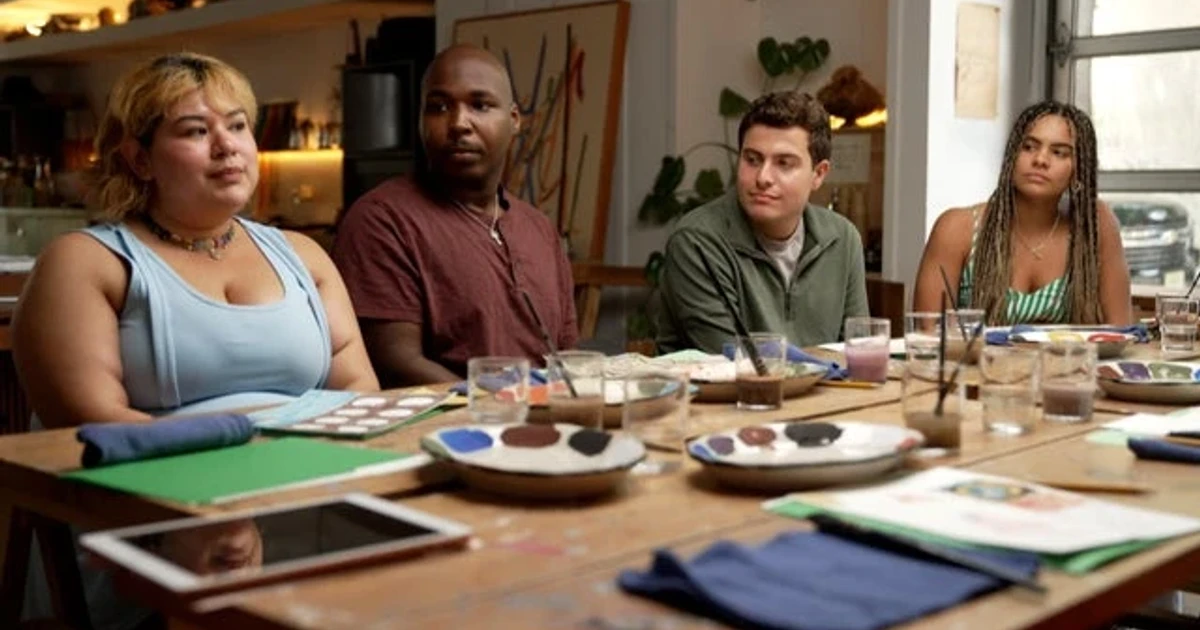
Gen Z is no longer waiting its turn. In the final USA-Z installment, Vladimir Duthiers talks with seven young adults from a cohort that Pew Research Center defines as people born after 1996, and the numbers already show why their views matter: by the second quarter of 2024, Gen Z workers made up 18 percent of the U.S. labor force, while Baby Boomers had fallen to 15 percent.
A generation that has already arrived
The labor-market shift is not symbolic. The U.S. Department of Labor said Gen Z first surpassed Baby Boomers in labor-force share in the third quarter of 2023, a milestone that makes this cohort impossible to treat as a future story. Their priorities now shape entry-level hiring, workplace expectations, and the policies employers design for training, flexibility, and advancement.
That reality is why the conversations in the CBS News segment land differently from the usual generational caricatures. These are not teenagers talking about a distant future; they are workers, voters, and soon enough, managers and office leaders. When a generation is already a fifth of the labor force, its habits and anxieties become national concerns, not niche cultural commentary.
Pandemic adolescence left a policy imprint
The strongest backdrop for understanding Gen Z is the COVID-19 rupture that shaped their schooling and early adulthood. The U.S. public health emergency was declared on January 31, 2020, and the World Health Organization characterized COVID-19 as a pandemic on March 11, 2020. The CDC Museum’s timeline frames that period as a sequence of moments that changed life in the United States and around the world, and Gen Z lived through it at exactly the age when routines, social development, and educational momentum matter most.
That disruption still echoes in how young adults talk about work habits and trust. Remote schooling, campus closures, lost milestones, and uneven access to stable learning conditions did not end when classrooms reopened. They shaped how many Gen Zers learned to self-manage, how they think about institutional reliability, and how willing they are to take official promises at face value.
That matters beyond memory. School disruption affected academic preparation, mental health, and the transition into work, which means the costs of the pandemic were not evenly distributed. Students with more stable homes, stronger broadband access, and better-resourced schools had a different experience from those who were isolated by income, housing insecurity, or caregiving burdens. The generation’s skepticism about institutions is inseparable from those uneven experiences.
AI is already part of the job search
The CBS segment also places artificial intelligence at the center of Gen Z’s working life, not on some distant horizon. That is a key break from older assumptions that younger workers are automatically comfortable with every new tool simply because they grew up online. For many Gen Z entrants, AI is not a novelty; it is part of how résumés are screened, how coursework is completed, how entry-level tasks are assigned, and how they imagine moving up.

That has concrete consequences for employers and policy makers. Companies that want to recruit this cohort will have to decide whether AI training is a basic workplace benefit, just like digital literacy once became. Colleges and workforce programs will need to do more than warn about cheating or job loss; they will need to teach how to use AI responsibly without deepening inequality between workers who have access to better tools and those who do not.
It also raises a fairness issue. If AI becomes a standard part of hiring and productivity, then the burden falls on institutions to make sure it does not simply reward people who already have the best schools, networks, and unpaid time to experiment. Gen Z is entering work at the point where the technology stack is changing again, and that will shape who gets hired, who gets promoted, and who is left behind.
Politics, voting, and the next leadership test
Gen Z’s political weight is rising alongside its labor power. Pew Research Center estimated in 2020 that roughly 24 million Gen Zers were eligible to vote in the November election, a reminder that this generation’s influence in elections is not theoretical. Their earliest political memories were formed in the same era as remote school, public-health messaging, and intense debates over government competence.
That makes trust in institutions a defining issue. A generation that came of age during a public-health emergency is likely to judge schools, employers, hospitals, and government agencies by whether they deliver clear information and equitable access. If those institutions seem slow, inconsistent, or detached from lived reality, younger adults will not simply shrug that off; they will carry that judgment into the workplace and the voting booth.
The phrase “next to lead the nation” is not just a flattering description. It points to a real transition in which Gen Z’s experiences will shape hiring norms, campaign strategy, and the tone of public debate. The generation that lived through the pandemic as students and is now entering the workforce as AI becomes unavoidable will help decide what competence looks like in American life.
The caricature is the story older Americans miss
The easy stereotype is that Gen Z is distracted, fragile, or unserious. Their own accounts tell a less comfortable truth: they are the first adults whose education, early work life, and civic outlook were all altered by a global pandemic, and they are doing it while stepping into a labor market where they now outnumber the Baby Boomers. That combination makes them less a punch line than a stress test for American institutions.
If schools, employers, and political leaders want to stay credible, they will have to meet a generation shaped by COVID-19, fluent in AI, and already present in the workplace and at the ballot box. Gen Z is not waiting for a future turn at power. It is already pressing on the systems that will have to answer to it.
Sources
- [1]cbsnews.com
- [2]pewresearch.org
- [3]dol.gov
- [4]cdc.gov
- [5]stacks.cdc.gov