Science
General Fusion debuts on Nasdaq as first pure-play fusion stock
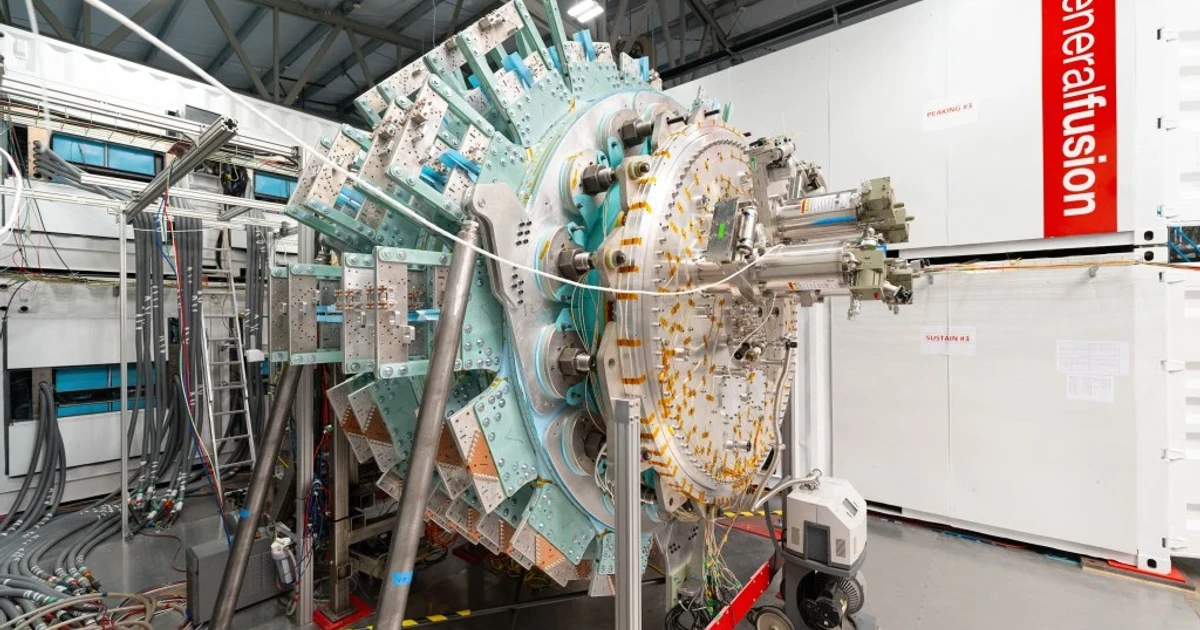
General Fusion began trading on Nasdaq under the ticker GFUZ on July 13, and its shares jumped about 40% from the opening price by midday, giving public investors their first pure-play way to bet on fusion power. The debut capped a reverse-merger deal with Spring Valley Acquisition Corp. III, a transaction first announced on January 22 with an implied equity valuation of about $1 billion.
The listing arrived after Spring Valley shareholders approved the business combination on July 6 and the deal closed on July 10. The name, symbol and CUSIP changes became effective on July 13. Spring Valley, chaired by Chris Sorrells, raised $230 million in its September 2025 IPO, and Sorrells previously helped take NuScale Power public through a SPAC.
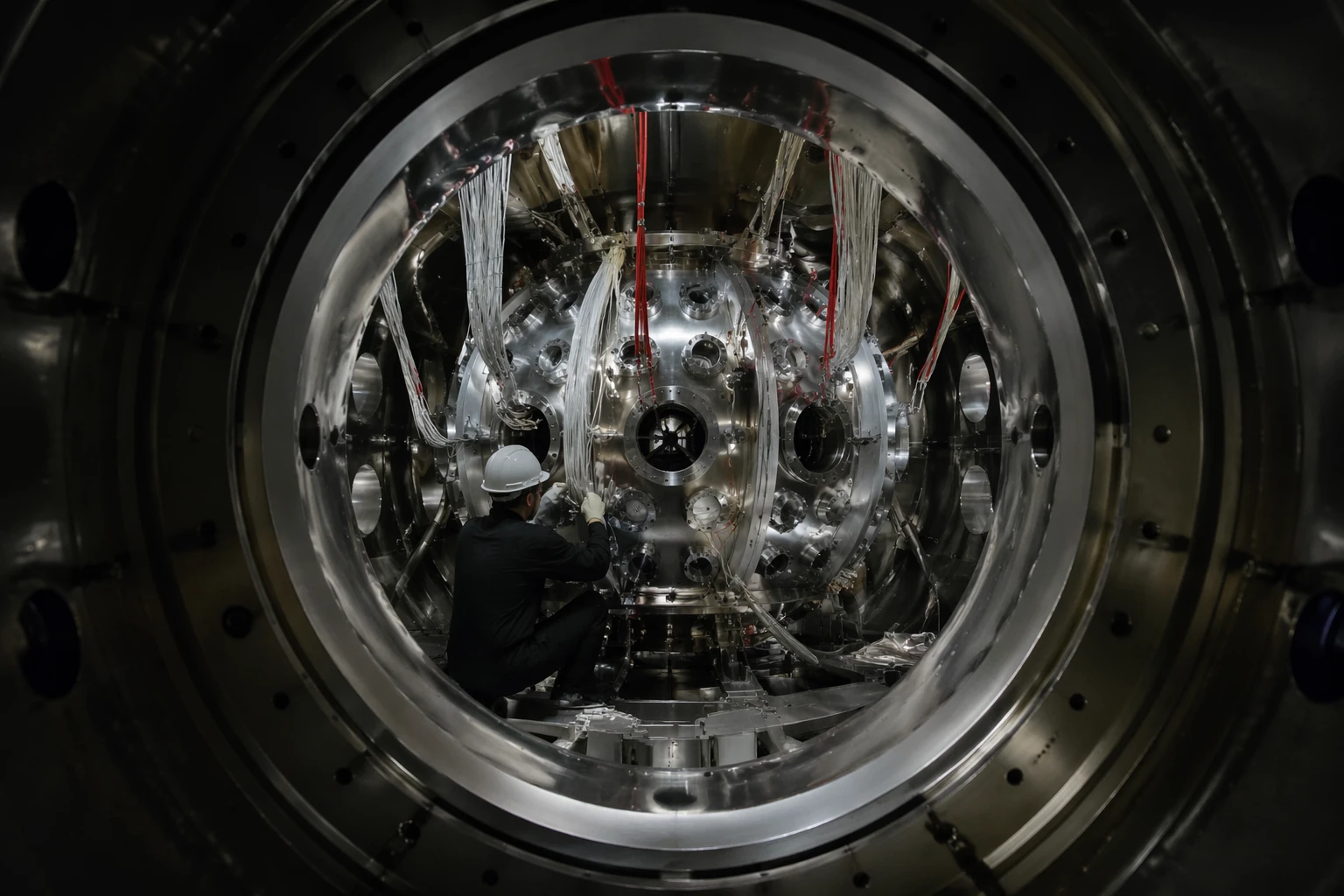
General Fusion was founded in 2002 and has spent more than $600 million from private investors on its magnetized target fusion approach. It entered public markets with about $150 million in cash, including proceeds from the merger and a private placement, money it plans to use to push its Lawson program through key milestones by 2028.
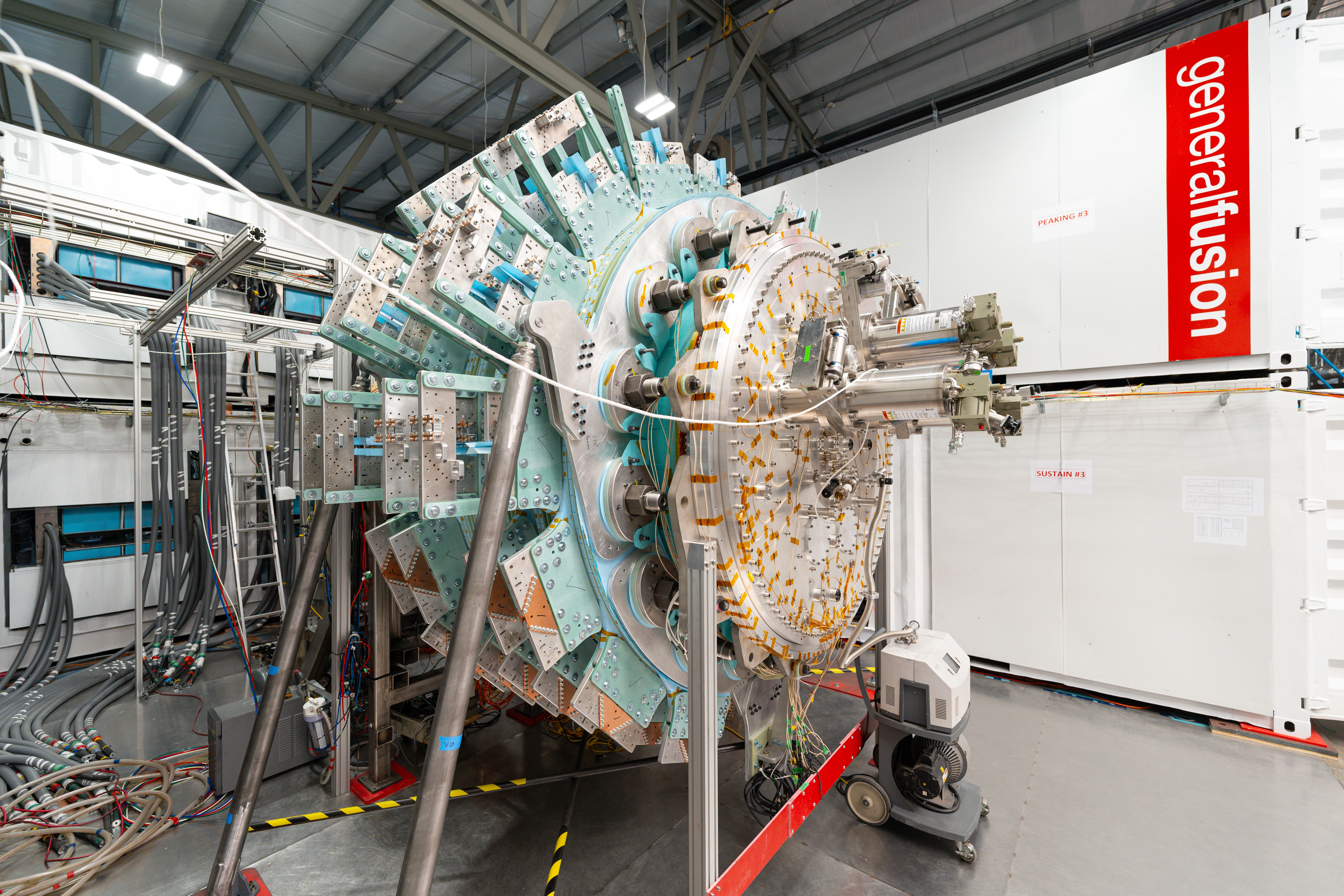
Electromagnetic fields create magnetized plasma inside a liquid-lithium-lined chamber, then mechanically compress the material to trigger fusion reactions. LM26 in Vancouver has completed more than 200,000 plasma experiments and recently achieved compressional plasma heating to roughly 0.72 keV, about 8.4 million degrees Celsius. The result was submitted for peer review and marked progress toward a 1 keV electron-temperature milestone.

It signed a June 24 framework agreement with Renexia S.p.A., part of the Toto Group, to advance deployment of fusion power in Italy. The company holds 210 patents issued and pending globally and has more than 35 peer-reviewed publications backing its results and technical goals.
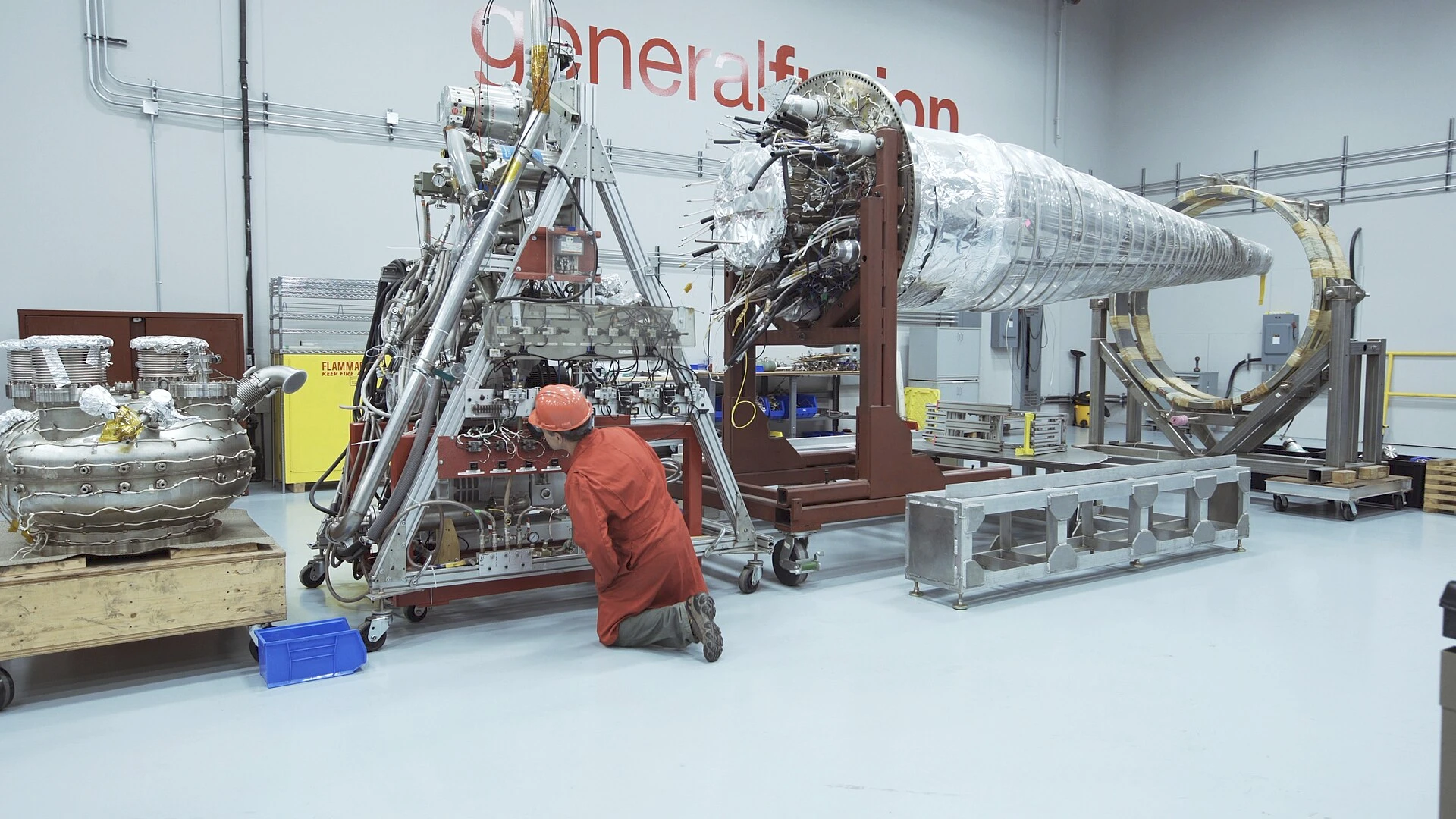
General Fusion ranked No. 1 on TIME’s 2026 World’s Top GreenTech Companies list, drawn from more than 8,300 applicants worldwide. The debut came months before rival fusion company TAE Technologies could have gone public.