Science
Generational Shifts Challenge U.S. Life Expectancy Trends
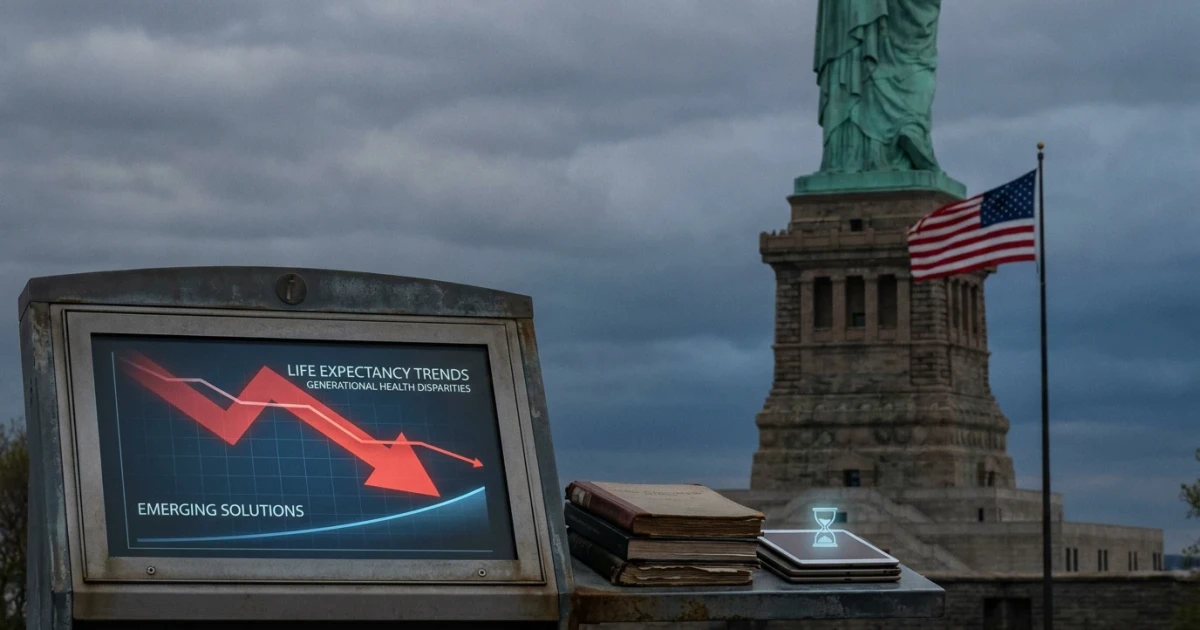
With the provocative question, “Are we just going to give up and die like every other generation?” circulating in the national discourse, Americans are confronting a sobering reality: U.S. life expectancy, once a steadily rising metric, has plateaued and even declined in recent years. This trend has sparked debate about whether society is resigned to repeating historical patterns or poised to break them.
Life Expectancy: A Generational Perspective
According to the latest CDC mortality data, average U.S. life expectancy fell to 77.5 years in 2022, marking a continued downward trend from the pre-pandemic peak of 78.8 years in 2019. Many health experts point to the pandemic’s impact, but the decline also reflects deeper issues: chronic diseases, substance abuse, and persistent health disparities across racial and socioeconomic groups.
- Heart disease and cancer remain the leading causes of death, accounting for nearly half of all U.S. deaths.
- Deaths from drug overdoses have surged, disproportionately affecting younger adults and certain communities.
- Generational progress in longevity has slowed, with younger cohorts facing new health threats.
Why Are These Patterns Persisting?
Analysts at the Population Reference Bureau highlight that previous generations benefited from advances in vaccines, sanitation, and workplace safety, driving substantial gains in life expectancy during the 20th century. Yet, more recent generations encounter different challenges:
- Obesity rates have doubled since the 1980s, increasing risk for diabetes and heart disease.
- Socioeconomic divides impact access to preventive care and healthy lifestyles.
- Opioid epidemic and mental health crises are particularly acute among Millennials and Gen Z.
As the National Institute on Aging explains, the difference between life expectancy and healthy life expectancy is widening—Americans may live longer, but not necessarily healthier.
Are We Resigned to the Pattern?
The question posed by statnews.com echoes a broader sentiment: Are Americans willing to accept these declines, or is there hope for reversal? Public health officials caution against resignation, stressing the importance of addressing root causes. Recent policy shifts, including efforts to expand healthcare access and invest in community health initiatives, aim to stave off further declines.
Data from Our World in Data reveals that comparable nations continue to see life expectancy improvements, underscoring the potential for progress when social and healthcare systems prioritize prevention.
What Can Be Done?
- Invest in mental health and addiction treatment, particularly for younger generations.
- Promote lifestyle interventions—nutrition, exercise, smoking cessation—to reduce chronic disease burden.
- Address structural inequities that limit care access and healthy environments for marginalized groups.
While the question, “Are we just going to give up and die like every other generation?” is stark, it reflects a growing urgency to disrupt historical cycles. Experts emphasize that meaningful progress requires both systemic change and individual action.
Looking Forward
Despite recent setbacks, the U.S. has the tools and knowledge to reverse life expectancy declines. As new generations demand answers and action, public health leaders urge a renewed focus on prevention, equity, and innovation. Whether the country will "give up" or forge a path to better health remains an open question—but one that is increasingly central to national debate.