US News
Geneva Talks Resume Amid Accusations After Moscow Attack
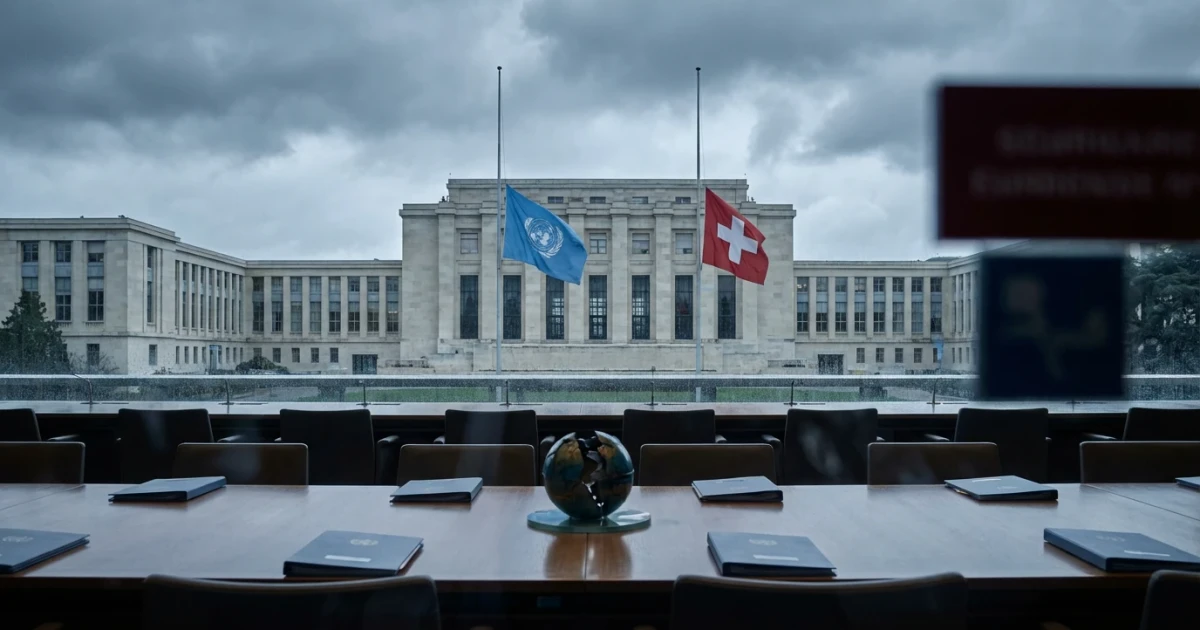
Tensions between Russia and Ukraine escalated further as Russian officials claimed a recent attack in Moscow was an act of terrorism, laying the blame on Ukrainian operatives. The allegations come just as new diplomatic negotiations opened in Geneva, raising the stakes for the ongoing efforts to end the conflict.
Attack in Moscow Sparks Fresh Accusations
The Russian government has publicly accused Ukraine of orchestrating a 'terrorist attack' in Moscow. Details about the nature and scale of the incident remain limited, but Russian authorities have been quick to frame the attack as evidence of Ukrainian aggression. These claims have not yet been independently verified, and Ukrainian officials have not issued a formal response.
Russian media coverage has focused heavily on the attack, with government spokespeople vowing to pursue those responsible. The incident adds to the pattern of reciprocal accusations and heightened rhetoric seen throughout the conflict.
Geneva Hosts High-Stakes Diplomatic Talks
Amidst these new tensions, Geneva has become the focal point for renewed diplomatic efforts. International envoys, including representatives from the United Nations and the Organization for Security and Co-operation in Europe, are convening in Switzerland to seek common ground between the parties. The talks are seen as critical, given the humanitarian crisis and the ongoing violence in Ukraine.
Previous rounds of negotiations have failed to achieve a lasting ceasefire or significant progress towards peace. Observers note that this latest round is taking place under even greater strain, as civilian casualties and displacement continue to mount. According to UN OHCHR statistics, thousands of civilians have been killed or injured since the start of the war, with many more forced to flee their homes.
Humanitarian Impact and International Response
The fallout from the ongoing conflict is profound. Data from the International Committee of the Red Cross underscores the scale of humanitarian needs, with millions requiring aid and protection. The international community has responded with sanctions, humanitarian aid, and diplomatic pressure, but the situation on the ground remains dire.
- Millions have been displaced within Ukraine and to neighboring countries.
- Essential infrastructure, including hospitals and schools, has suffered damage or destruction.
- Access to food, water, and medical care remains a critical challenge for many communities.
Analysis: Prospects for Progress Remain Uncertain
The new diplomatic push in Geneva takes place against a backdrop of mutual suspicion and entrenched positions. The timing of the Moscow attack and Russia's subsequent claims threaten to derail dialogue before it can yield substantive results. Analysts warn that without a commitment to de-escalation from both sides, the humanitarian and security crisis could deepen further.
For readers seeking to understand the broader context of the war in Ukraine, the Council on Foreign Relations provides an accessible backgrounder detailing the origins, developments, and international dimensions of the conflict.
As talks continue in Geneva, the world watches closely for any signs of compromise or breakthrough. The coming days will test the resolve of negotiators and the willingness of both Russia and Ukraine to pursue a diplomatic path amid ongoing violence and mutual distrust.