Science
Georgetown study finds practice rewires brain for true multitasking
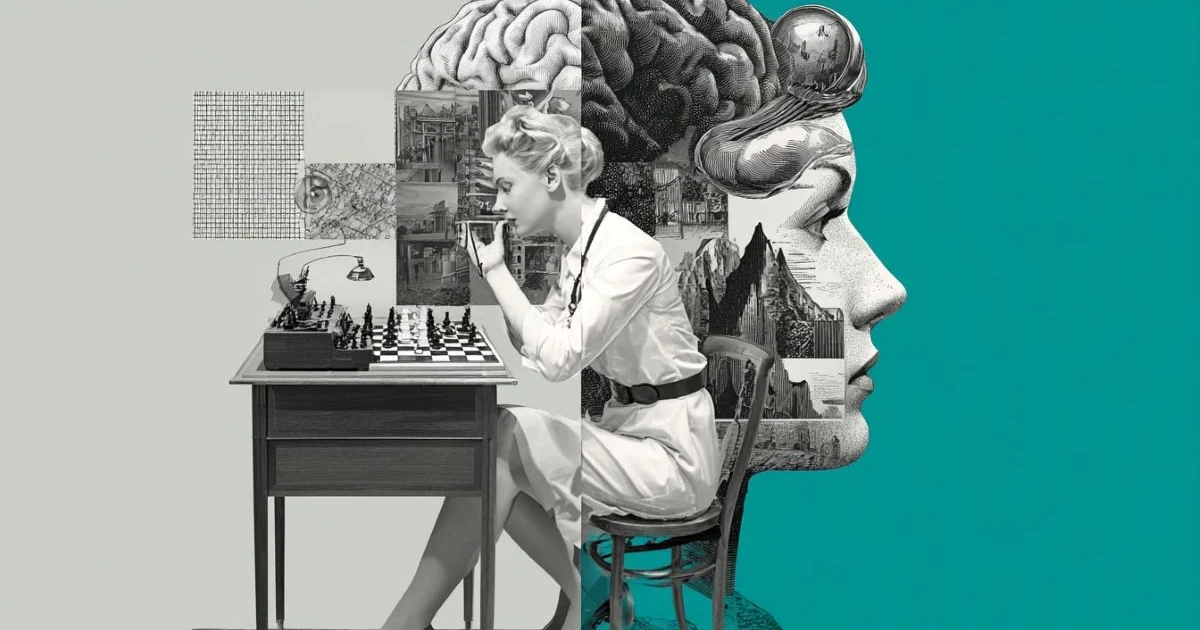
After more than 30,000 training trials over five to 10 weeks, Georgetown University Medical Center researchers found that a simple car-sorting task shifted out of the prefrontal cortex and into the temporal cortex. That change suggests practice can do more than make a person faster at one job; it can move the job into circuitry that leaves the brain’s executive-control center less occupied.
The study trained volunteers with a smartphone app and game to sort morphed images of cars into two categories. Researchers used fMRI and EEG before and after training to watch how the brain changed over time. Georgetown University said the work, led by Maximilian Riesenhuber, was published June 4, 2026, and later republished by ScienceDaily on July 12. Riesenhuber is a professor of neuroscience at Georgetown University School of Medicine and co-director of the Georgetown University Center for Neuroengineering in Washington, D.C.
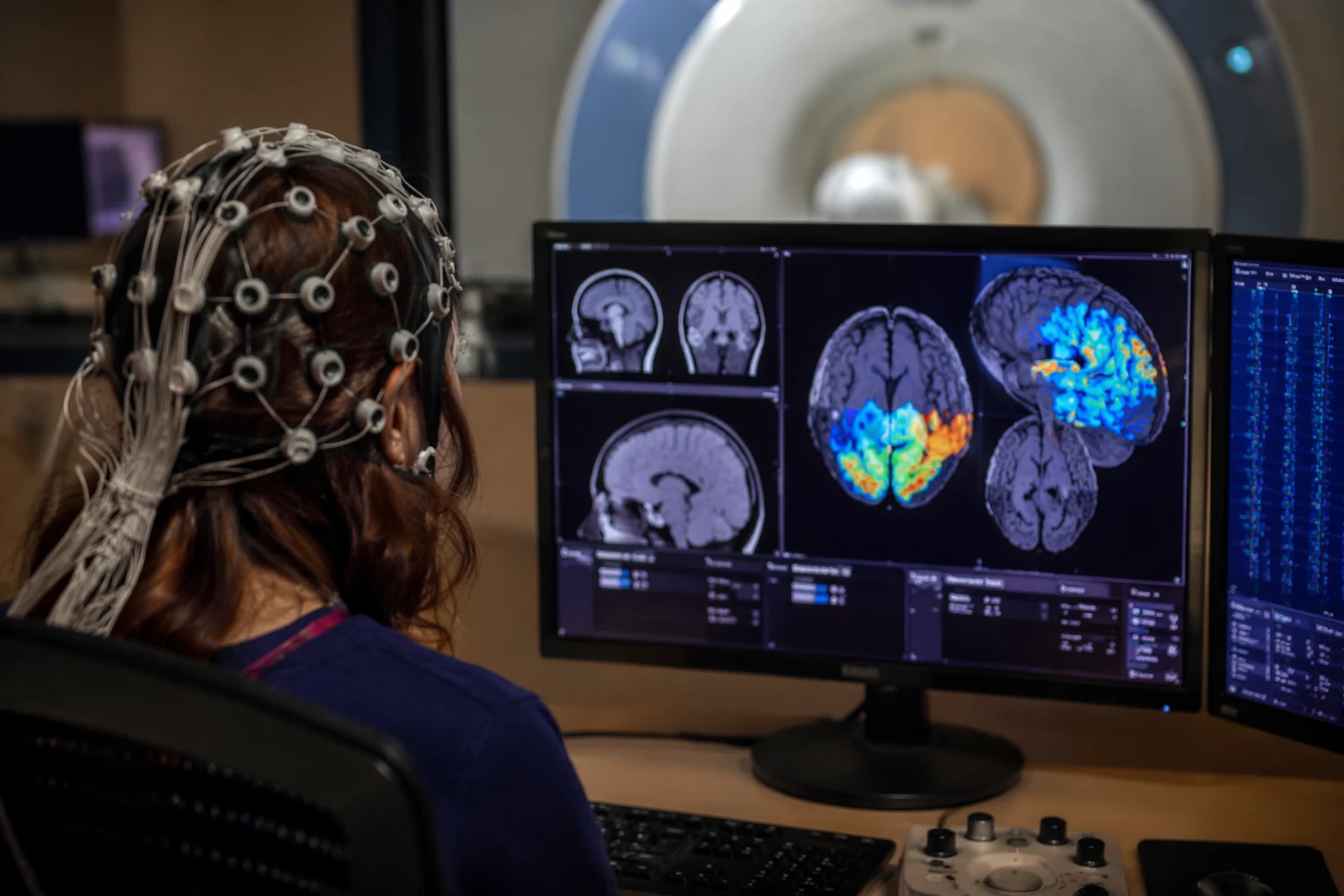
Early in learning, the sorting task activated the prefrontal cortex, the region most associated with deliberate thinking and executive control. After weeks of repetition, the activity shifted to the temporal cortex, which Georgetown describes as important for encoding memory and recognizing complex objects. Patrick Cox said earlier studies usually examined people only after they had already become experts, not while they were moving into expertise, and that gap mattered here because the researchers tracked the transition itself.
The finding builds on earlier work that had already tied multitasking gains to training. A 2025 Journal of Neuroscience paper found that multitasking practice could reduce modality-based interference by reducing representational overlap in fronto-parietal regions. Other work linked multitasking benefits to structural differences in the left dorsolateral prefrontal cortex. Georgetown’s result goes a step further by suggesting that, with enough training, a learned task can move out of the prefrontal bottleneck and into more specialized temporal-cortex circuitry.

That matters well beyond a lab exercise. Georgetown says the pattern may help explain why driving becomes less mentally demanding with experience, why habits become automatic, and how repeated learning could inform artificial intelligence systems that build on prior experience. The study does not support the idea that people can endlessly juggle tasks without strain. It shows something narrower and more concrete: some skills can become specialized enough, and require enough training, to leave room for another task to run alongside them.