Politics
Georgia and Alabama hold runoffs as Oklahoma votes in primaries
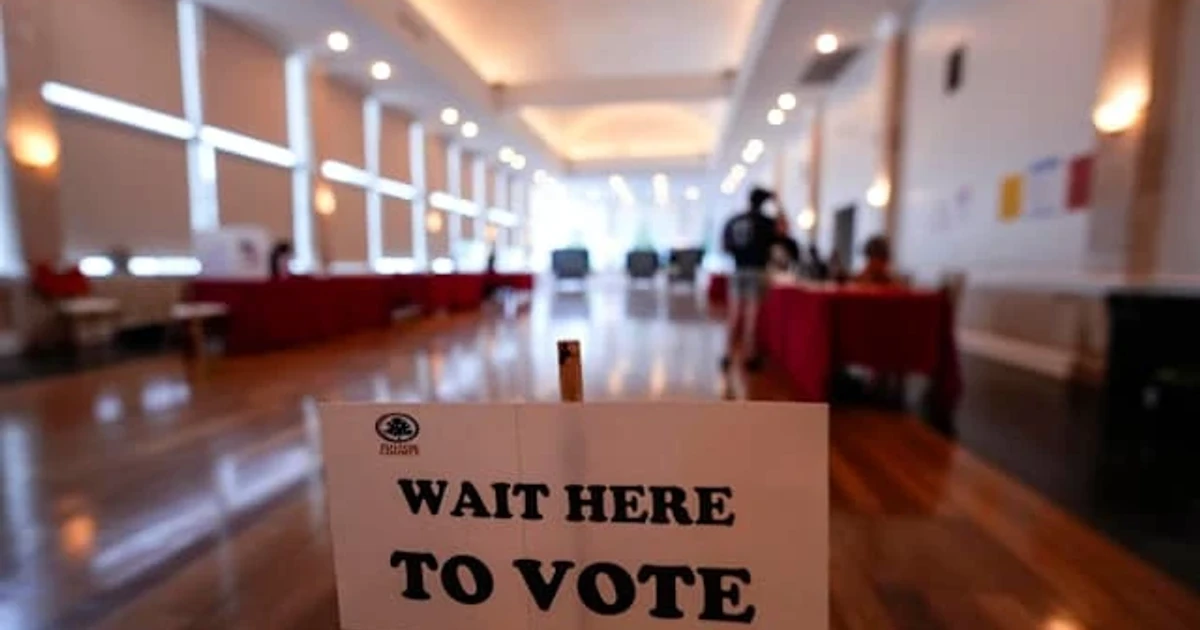
Voters in Georgia and Alabama returned to runoff elections Tuesday, while Oklahoma held its state primary, turning a single June primary day into a national gauge of turnout, factional control and Donald Trump’s endorsement power. The contests matter well beyond state lines because delayed results in two large Southern battlegrounds can shape the first storyline about party strength heading toward November.
In Georgia, any candidate who failed to clear 50% in the May 19 primary advanced to the runoff, leaving voters to finish the job in races for U.S. Senate, governor, the Georgia 11th District House seat, secretary of state and lieutenant governor. The state’s voting-age population is about 7.8 million, and the Associated Press has framed the runoff as a test of which Republican and Democratic coalitions can mobilize when the field has narrowed and every ballot is counted in a winner-take-all final round.

Alabama’s runoff stakes were even more pointed because the open U.S. Senate seat is up for grabs after incumbent Tommy Tuberville chose to run for governor instead of seeking reelection. No candidate won a majority in the May 19 primary, sending the race between Barry Moore and Jared Hudson back to voters, with Trump’s January 17 endorsement of Moore adding a clear loyalty test to the contest. Alabama’s voting-age population is about 3.8 million, and the runoff for House District 5 added another measure of whether the party’s base can consolidate behind one faction after a divided primary.
Oklahoma’s primary offered a different kind of test. Polls were open from 7 a.m. to 7 p.m., and the Oklahoma State Election Board’s 2026 calendar already points ahead to runoff primaries on August 25, underscoring how long the state’s nomination season will stretch. AP described Oklahoma’s vote as part of a packed national primary day, but the state’s place in the larger picture comes from how it fits into the summer political calendar rather than any single marquee race.

The first returns were expected to arrive through unofficial election-night channels in Georgia and Alabama, with state results pages built to track live tabulation before certification later on. AP has said it reports winners only when trailing candidates no longer have a path to victory, which means the pace of counting itself can influence the political read of the night. In Georgia and Alabama, where demographic change is already reshaping the electorate, the slowest tallies may prove as consequential as the margins themselves.
Sources
- [1]nytimes.com
- [2]apnews.com
- [3]oklahoma.gov
- [4]ballotpedia.org
- [5]sos.ga.gov
- [6]sos.alabama.gov