Entertainment
Georgia-born Brother Wallace releases debut album Electric Love
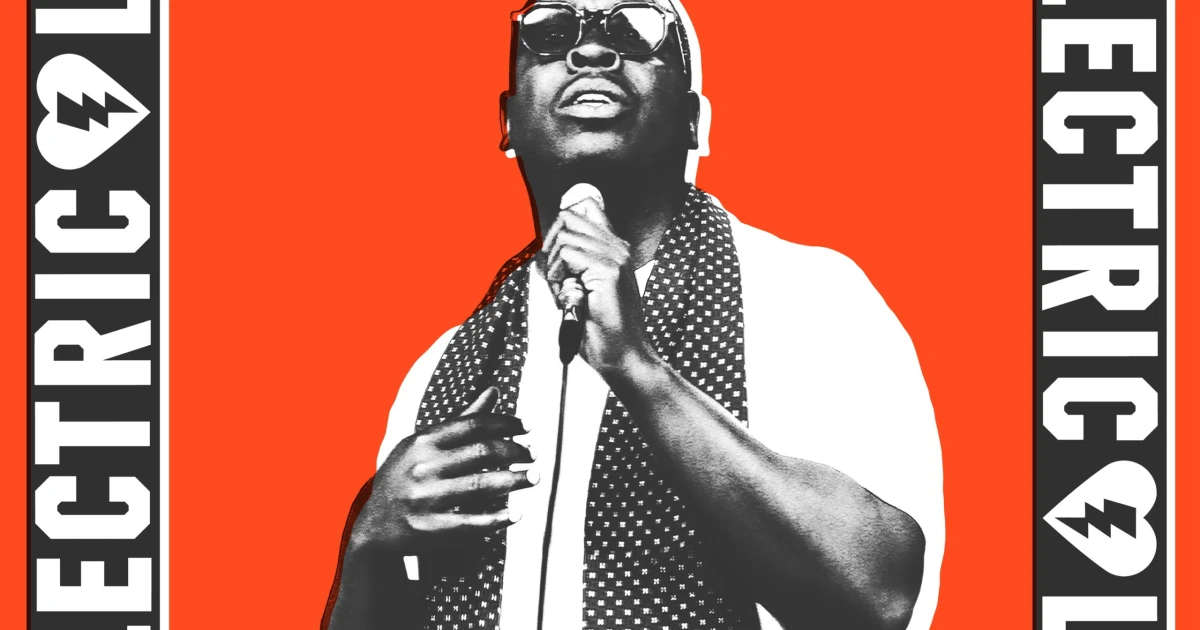
Brother Wallace has spent years turning Georgia church roots into a bigger, brighter live language that can move from Sunday morning harmonies to full-band soul revue energy. Now the stage name of Christopher Cardell Wallace is attached to Electric Love, a debut album released May 8, 2026, that leans into the same Motown lift, gospel fervor and live-band muscle that have made him a draw far beyond his home state.
Wallace grew up in West Point, Georgia, a small rural town near the Alabama line, and started playing piano at age 6. He was singing in church as a child, then built a career that moved through choir directing, ministry and public school classrooms, working as a K-12 music teacher while continuing to shape his own songs. That path gives Electric Love its core appeal: the album does not sound like a nostalgia exercise, but like a working musician carrying older Black American traditions into a new setting with conviction and range.
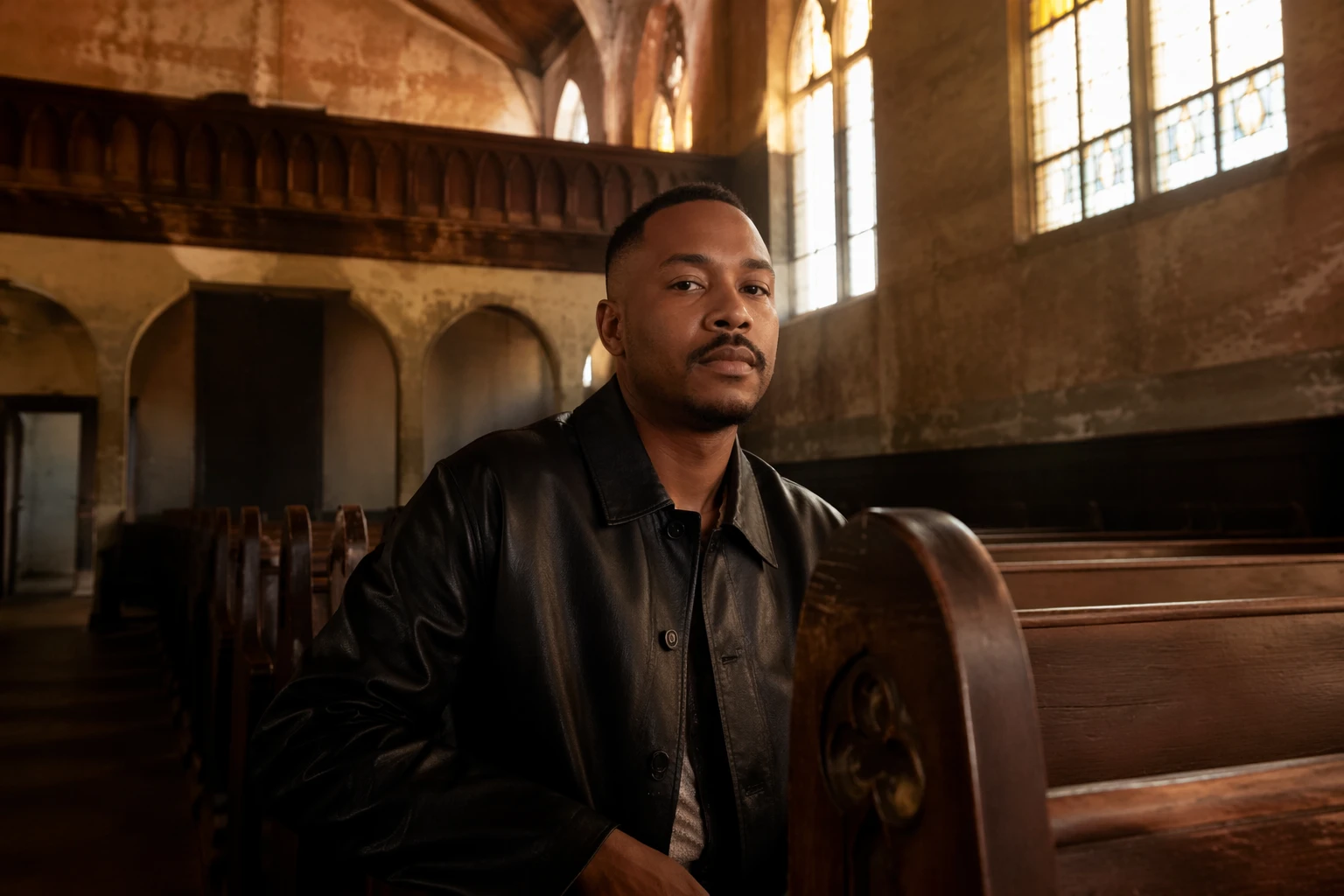
His connection to The Heavy began with a chance meeting and expanded through extensive touring, including time as a backing vocalist for the U.K. rock band. Guitarist Dan Taylor helped write and produce Electric Love, linking Wallace’s church-trained voice to a tougher, road-tested groove. The 13-track album opens with “Who’s That?” and also includes “You’re The Man,” “No God In This Town” and “Let’s Get Together,” songs that suggest a record built to move both onstage and on headphones.
Wallace’s crossover reach was already visible before the album arrived. He has shared a stage with gospel heavyweight Kirk Franklin and has performed at Madison Square Garden, milestones that place him inside a long line of Southern singers who can bridge sanctuary, theater and arena without sanding down the edges of any one style. Around the album’s release, he was also touring with St. Paul and the Broken Bones, a pairing that fits his profile as a roots singer with a strong live-show identity.

Electric Love lands at a moment when audiences are again rewarding artists who can sound human, immediate and rooted in tradition. Wallace’s debut does not chase trend cycles; it extends them back to church pews, revival halls and the Motown-era belief that a great voice, a tight band and real feeling can still fill a room.