US News
Georgia father gets 15 years in landmark school shooting case
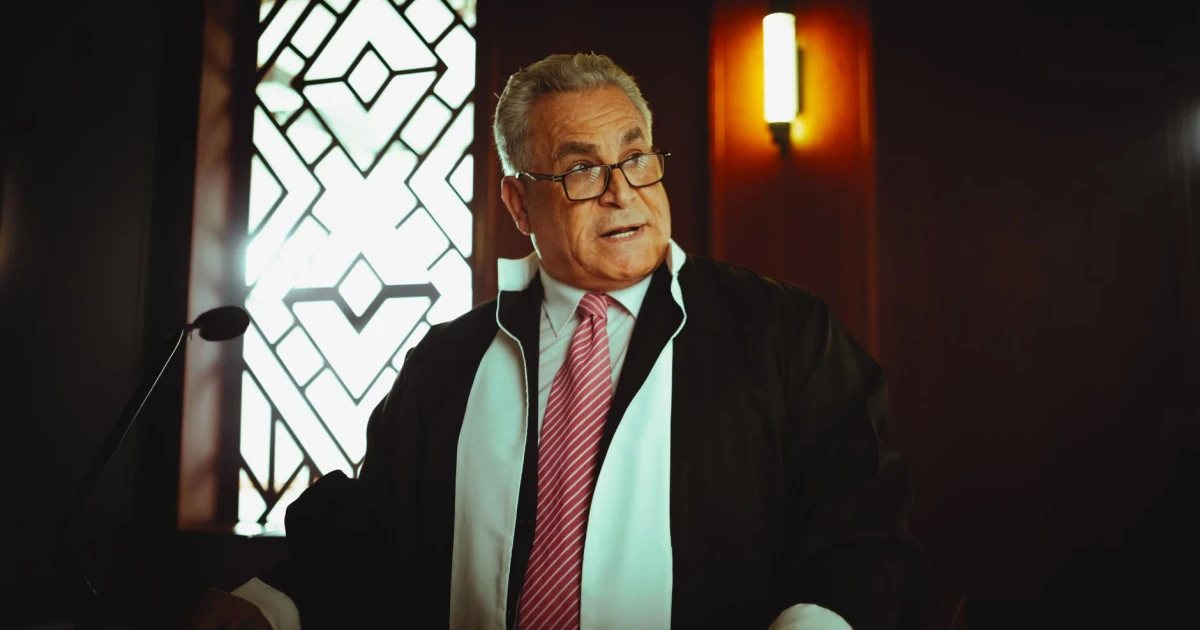
A Barrow County judge sentenced Colin Gray to 15 years in prison Thursday for his role in the Apalachee High School massacre, rejecting a defense push for 10 years and a prosecution request for 80. Judge Nicholas Primm imposed a punishment that reached far beyond probation or a short sentence, after a jury convicted Gray of second-degree murder, involuntary manslaughter, reckless conduct and second-degree cruelty to children.
The case turned on prosecutors’ argument that Gray helped enable the Sept. 4, 2024 attack by giving his son a gun and failing to act as Colt Gray’s mental health deteriorated. The shooting killed two teachers, Richard “Ricky” Aspinwall, 39, and Cristina Irimie, 53, and two 14-year-old students, Mason Schermerhorn and Christian Angulo. Eight other students were wounded.
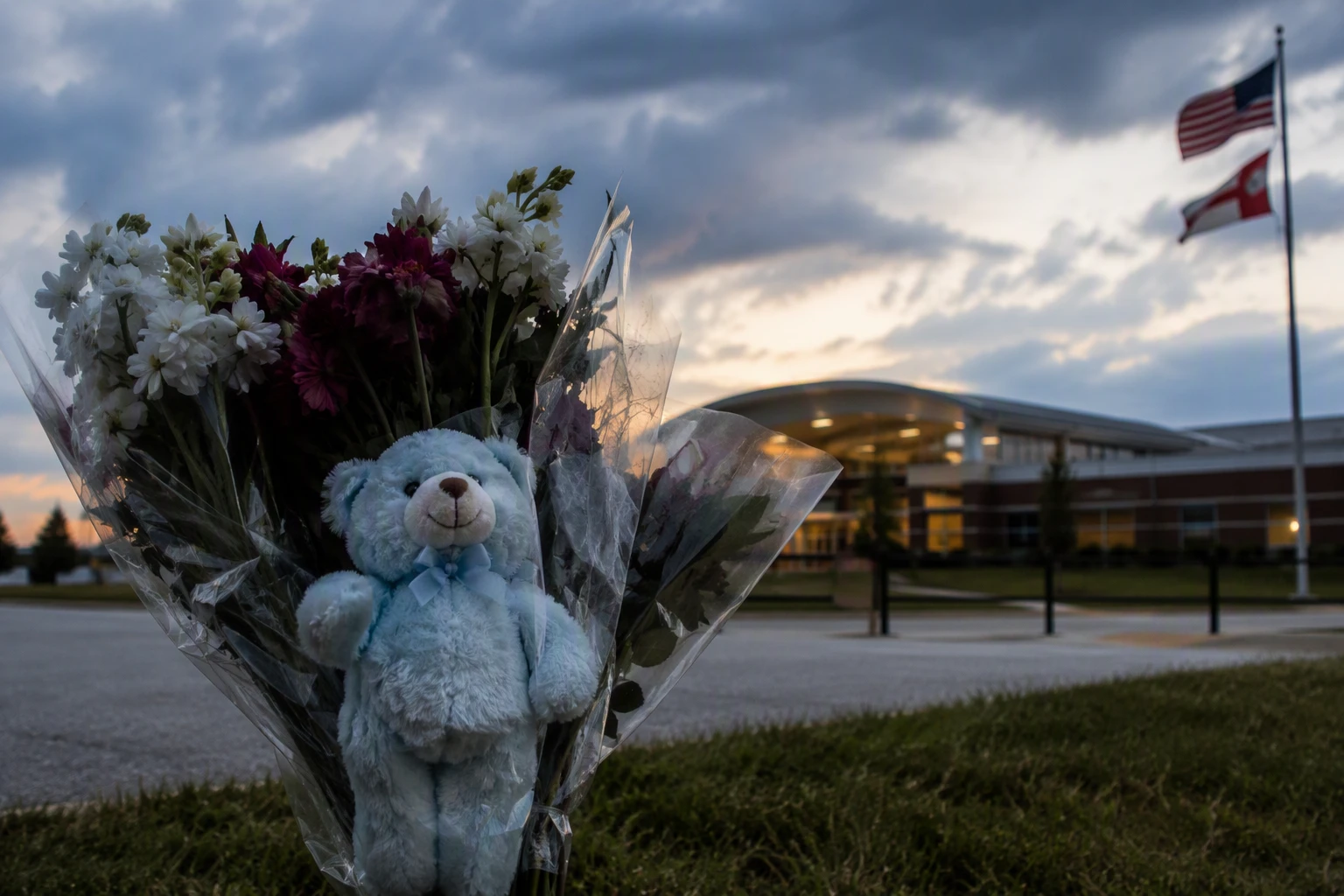
The sentencing came days after Colt Gray received life in prison without parole. He pleaded guilty to all 55 charges tied to the shooting on July 24, 2026, avoiding a trial and moving his case straight to sentencing. The back-to-back punishments closed a brutal chapter for Winder, Georgia, while leaving the legal question that drove the father’s trial squarely in view: when does a parent’s failure to respond to danger become criminal conduct?
Gray’s conviction and sentence pushed that line further than the better-known Michigan case against James and Jennifer Crumbley, whose son killed four students at Oxford High School. In that case, prosecutors also focused on gun access and missed warning signs, and the parents were each sentenced to 10 to 15 years for involuntary manslaughter. Gray’s Georgia case went further by adding a murder conviction, signaling that prosecutors believed his conduct was not just negligent but grave enough to support the state’s highest homicide charge in the school-shooting context.

Multiple days of testimony and emotional victim-impact statements preceded Primm’s ruling. The sentence landed far closer to the defense request than to the 80 years sought by prosecutors, but it still marked a major expansion in how far courts are willing to go when a child’s access to a gun, repeated warning signs and a collapsing mental state converge in a school shooting.
Sources
- [1]nytimes.com
- [2]apnews.com
- [3]nbcnews.com
- [4]cnn.com
- [5]11alive.com
- [6]fox5atlanta.com
- [7]ajc.com
- [8]bbc.com
- [9]pbs.org