US News
Georgia’s historical markers reveal a divided path to independence
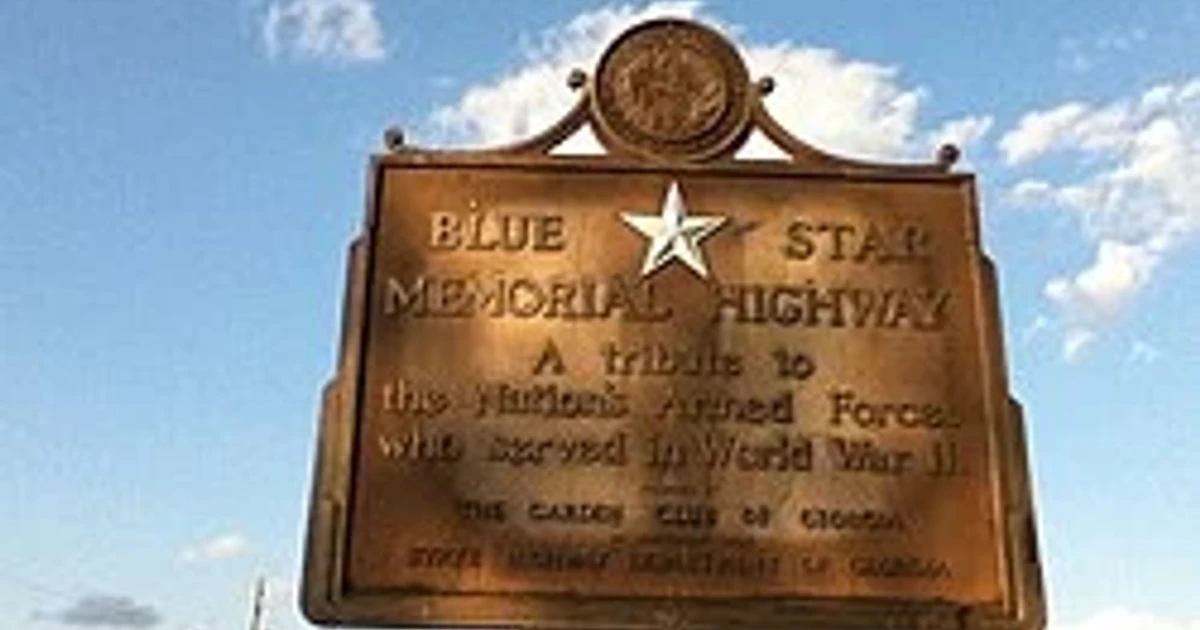
Georgia’s roadside markers preserve a revolution that was anything but unified. The state entered the independence movement late, fought a war split between Patriots and Loyalists, and left behind a public record that puts overlooked people like Austin Dabney beside better-known names and battles.
A late and reluctant commitment
Georgia was the last of the original 13 colonies to support the American Revolution, and its path took shape under conditions that differed sharply from those in New England and the Mid-Atlantic. The colony had prospered under royal rule, sent no representatives to the First Continental Congress in 1774, and contained many residents who feared that breaking with Britain could leave them exposed without military protection against Native American attack.
That hesitation matters because it explains why Georgia’s revolutionary story does not fit neatly into the usual national script. In public memory, the Revolution often reads as a unified uprising against empire. In Georgia, the record suggests something messier: a colony weighing local security, trade, and power while the rest of the continent was moving faster toward rupture.
The war inside the war
Georgia’s Revolutionary War experience was also unusually divided. Loyalists and Patriots fought one another as the British worked to recruit support in the South, turning the colony into a contested political and military landscape rather than a simple theater of American resistance. The conflict played out in the backcountry as much as in major towns, making the state’s wartime story harder to compress into a single heroic sequence.
The Battle of Kettle Creek captures that divide. Fought on February 14, 1779, it is remembered as a major Patriot victory in Georgia’s backcountry, where about 340 Patriot militia attacked roughly 600 Loyalists led by James Boyd. The Patriot force included men under Elijah Clarke, John Dooly, and Andrew Pickens, and the victory helped frustrate Loyalist recruitment after Savannah had fallen to the British about two months earlier.
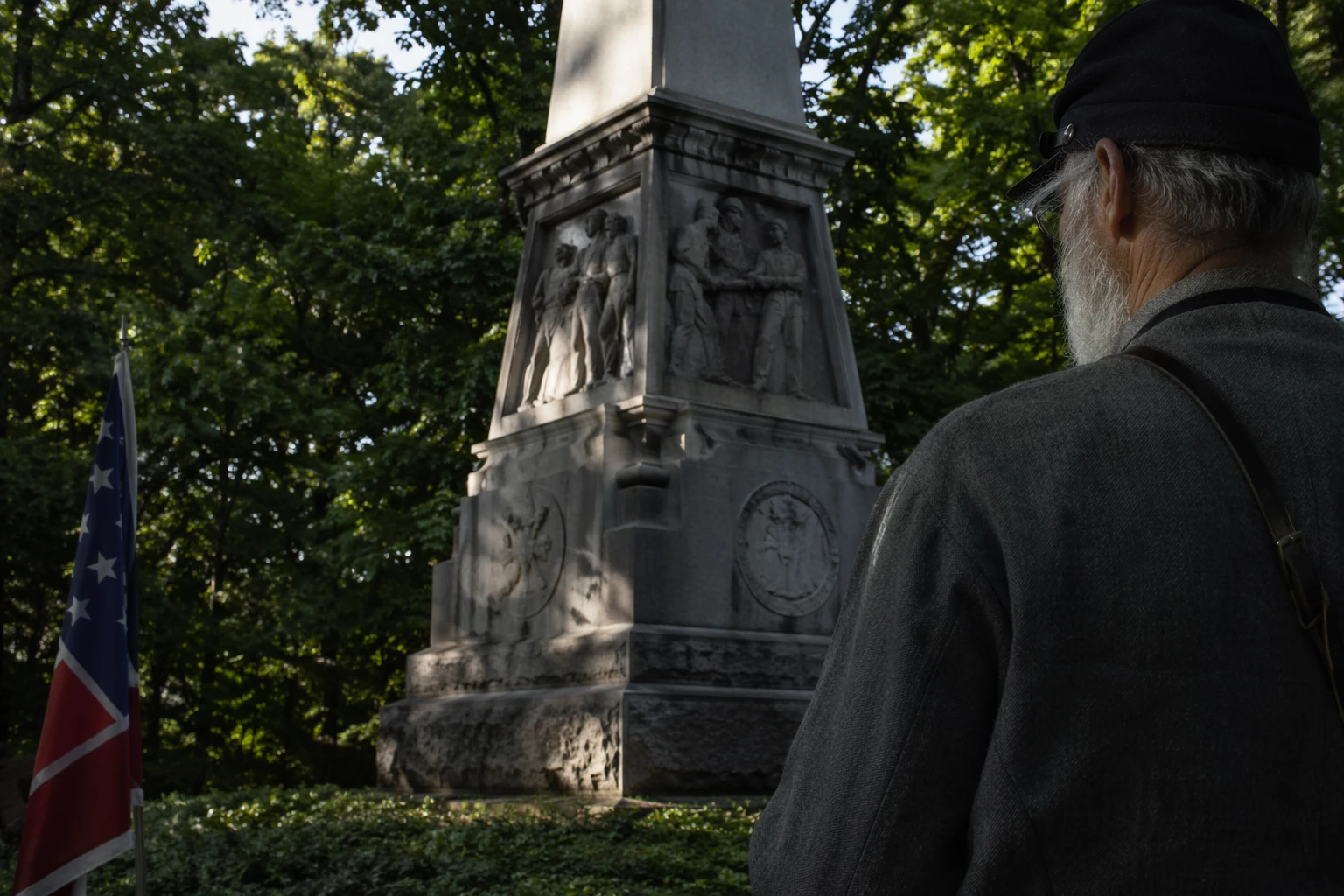
Kettle Creek is important not just for the military outcome but for what it reveals about the state’s revolutionary map. Georgia did not move through the war as a settled Patriot stronghold. It was a place where allegiance remained contested, where the British could still find local allies, and where battlefield success had to be measured against the larger problem of holding the countryside.
Austin Dabney and the people the nation rarely names
Georgia’s markers also recover figures left out of the standard founding story. Austin Dabney, an enslaved African American, fought for Georgia at Kettle Creek and is believed to have been the only African American at the battle. After the war, he became the only African American to receive land grants in the Georgia Land Lottery.
That detail changes the frame of the story. Dabney’s presence places slavery, military service, and postwar citizenship in the same revolutionary landscape, showing how Georgia’s independence era was shaped by people whose claims on freedom and recognition were deeply unequal. His name belongs on the same roadside register as the battle itself because the war’s meaning cannot be separated from who was allowed to participate, who was remembered, and who received land after the fighting stopped.
How Georgia’s marker program built the public record
The historical-marker system is the reason so much of this history sits by the roadside rather than only in archives. The Georgia Historical Society says the state’s marker program now includes 2,200-plus markers in its database. Roughly 2,000 of those were installed under the state program from the early 1950s through the mid-1990s, creating a dense network of signs that shaped how residents encounter the past while driving through towns, rural corridors, and county roads.
Since 1998, the Georgia Historical Society has administered the statewide program. It says it has erected nearly 300 new markers since taking over, while also helping preserve older ones. That dual role matters because roadside history is not static: it is curated, updated, and, in some cases, reinterpreted by the institutions that decide what gets a sign and where that sign will stand.
The result is a public-history system that does more than mark places. It selects which events are legible from the shoulder of the road, which figures are elevated to statewide memory, and which local stories become part of the broader civic landscape. In Georgia, that means the Revolution appears not as a single founding myth but as a layered record of delay, conflict, and recovery.
Why Marked! arrives as America turns toward 250
Marked!: The Podcast uses that marker landscape as its entry point. Georgia Public Broadcasting says the series zooms in on 12 stories drawn from the state’s roadside markers, and the project is being tied to America’s 250th anniversary. Executive producer Andrew Iden has framed the podcast around the breadth of Georgia’s marker trail, while NPR’s Don Gonyea has discussed the project as a way to open up the state’s revolutionary past through the people and places preserved in public view.
That anniversary context gives the project added weight. Georgia public history institutions are already building America 250 programming across the state, and the marker trail offers a practical way to connect commemoration to geography. Instead of treating the Revolution as a set of distant national symbols, the markers put it on familiar roads, in county histories, and in stories shaped by local fear, divided loyalties, and uneven memory.
Georgia’s roadside record does not flatten the Revolution into triumph. It keeps the colony’s caution, its internal conflict, and its overlooked participants in view, which is exactly why the state’s markers complicate the familiar founding narrative rather than simply decorating it.
Sources
- [1]npr.org
- [2]georgiahistory.com
- [3]gpb.org
- [4]georgiaencyclopedia.org
- [5]georgiaarchives.org
- [6]ajc.com