Business
German commission proposes higher retirement age, Swedish-style pension fund
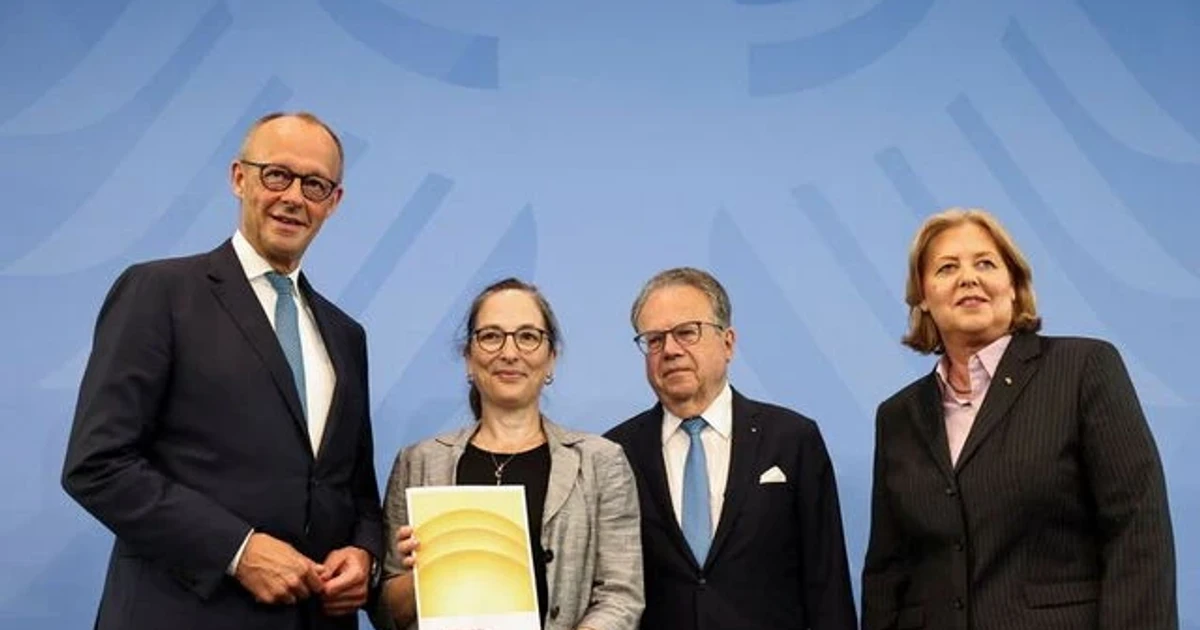
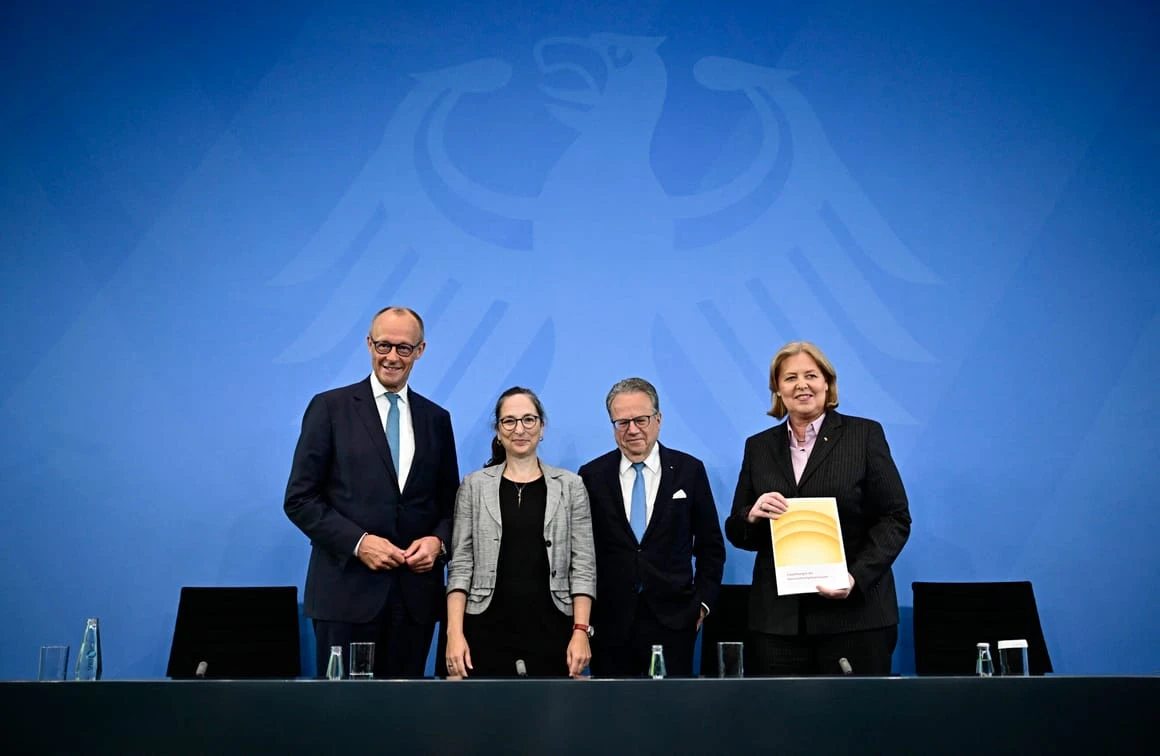
Germany moved closer to a major overhaul of its retirement system as a commission appointed by Chancellor Friedrich Merz proposed raising the pension age gradually and building a Swedish-style funded pillar beside the country’s traditional pay-as-you-go model. The plan was designed to shore up benefits as Germany’s population ages and the number of workers supporting retirees shrinks.
The commission recommended mandatory contributions from workers and employers be invested in financial assets, a move meant to add long-term capital to a system that still relies largely on current workers financing current retirees. Merz said the aim was to introduce an additional, compulsory, individually allocated funded pension, signaling that Berlin was trying to supplement the existing system rather than replace it.
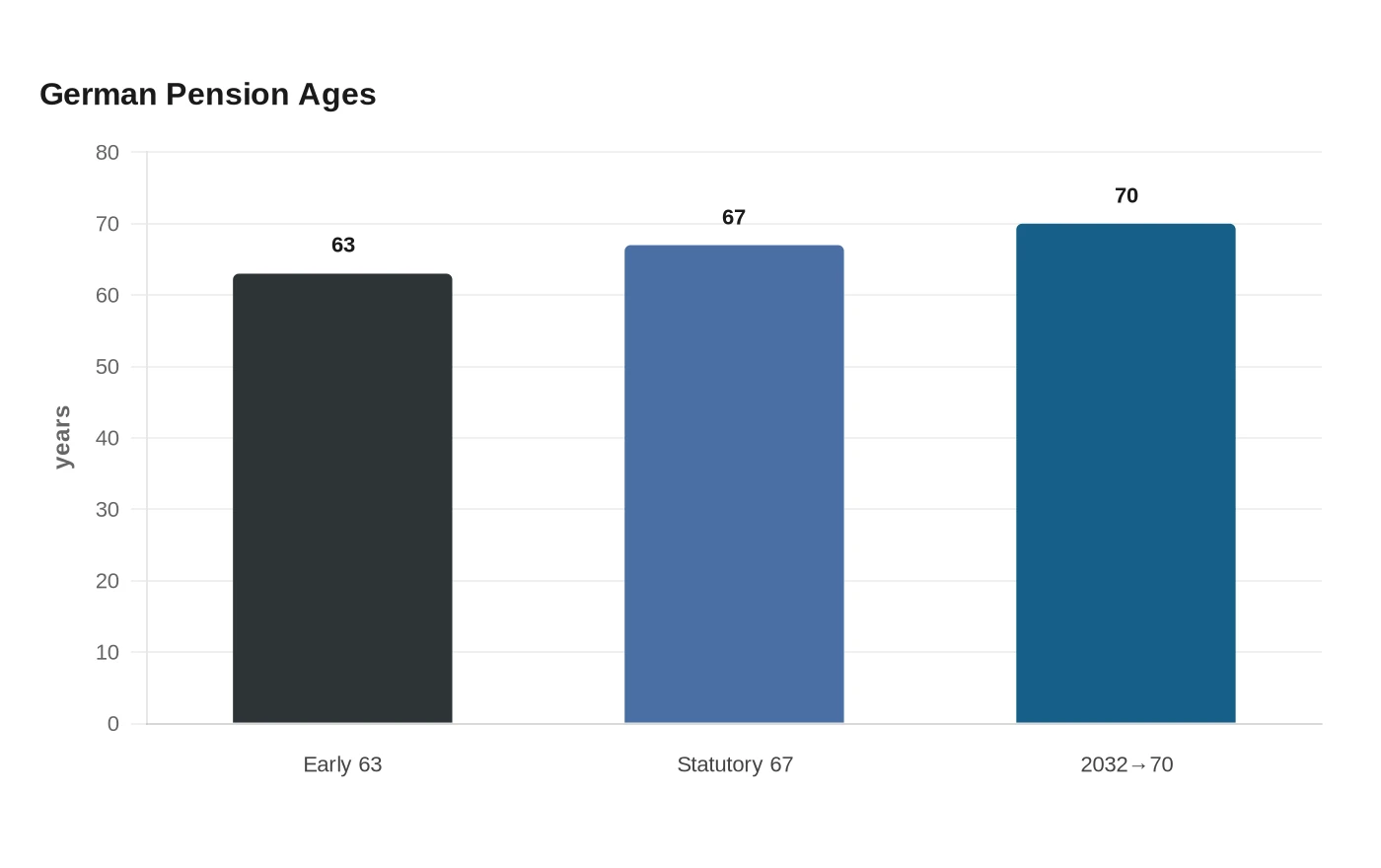
The proposals went further than a new savings vehicle. They would abolish the option of statutory early retirement from age 63 without deductions and link future increases in the pensionable age to life expectancy. Under the current calculations, the retirement age could rise in incremental steps every decade and reach 70 by 2092. Under current German law, the statutory retirement age is due to reach 67 in the early 2030s.
The demographic pressure behind the overhaul is stark. Germany’s Federal Statistical Office said one person in four in Germany will be aged 67 or older by 2035, while the working-age population will fall by at least 4.0 million by 2070 if trends hold at a moderate pace. Deutsche Welle reported that more than 21 million retirees were drawing pensions from the statutory pension insurance system in 2026, underscoring the fiscal scale of the challenge.
Sweden offered the commission a model for how to build a buffer against aging. Sweden’s public pension is financed by 18.5% of pensionable income, and the AP funds act as capital reserves for the income pension system. The AP Funds said their assets totaled SEK 2,053 billion at the end of 2024, and that they had made net payments of SEK 280 billion to the pension system since launch in 2001.
The political stakes in Berlin were immediate. Pension reform is rarely popular, especially when it means later retirement or new mandatory contributions, and the proposal is expected to face intense debate inside the coalition government. Still, the commission’s direction was clear: stabilize pension levels and lift them from 2040, while forcing Germany to confront the cost of demographic decline sooner rather than later.
Sources
- [1]usnews.com
- [2]aol.com
- [3]destatis.de
- [4]dw.com
- [5]oecd.org
- [6]ap4.se
- [7]ap2.se
- [8]government.se