Business
German exports may gain if U.S. targets China-built ships
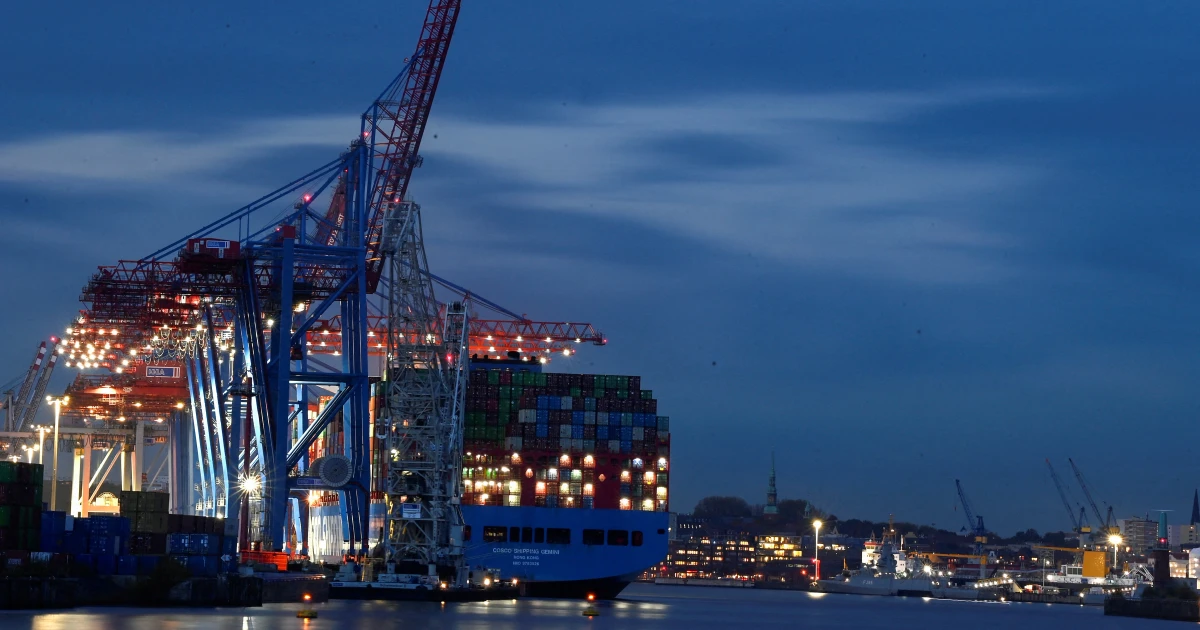
The German Institute for Economic Research estimates German exports to the United States could rise by about 2% if Washington follows through on port fees aimed at China-built ships, even as the same policy trims trade flows for other allies and exposes how vessel-building patterns can shift market share far beyond China.
The planned charges are tied to where a ship was built, not whose cargo it carries. That means the costs fall on operators with heavier exposure to Chinese shipyards, not on a particular product line or commodity. Germany’s fleet is less reliant on Chinese-built vessels than some competitors, while countries such as Finland, Denmark and Poland could take a harder hit. South Korea could gain by roughly 2%, while exporters in Costa Rica, Vietnam and Pakistan could see U.S.-bound shipments fall sharply.
DIW estimates China will build more than half of all new merchant ships in 2025, while the European Union’s share of newly built merchant ships has dropped from 17% in the 1990s to less than 3% today. The institute also says 75% of the EU’s external trade in goods moves by sea. The institute’s model uses maritime transactions, ship registers and ship-position data to estimate the trade effects.
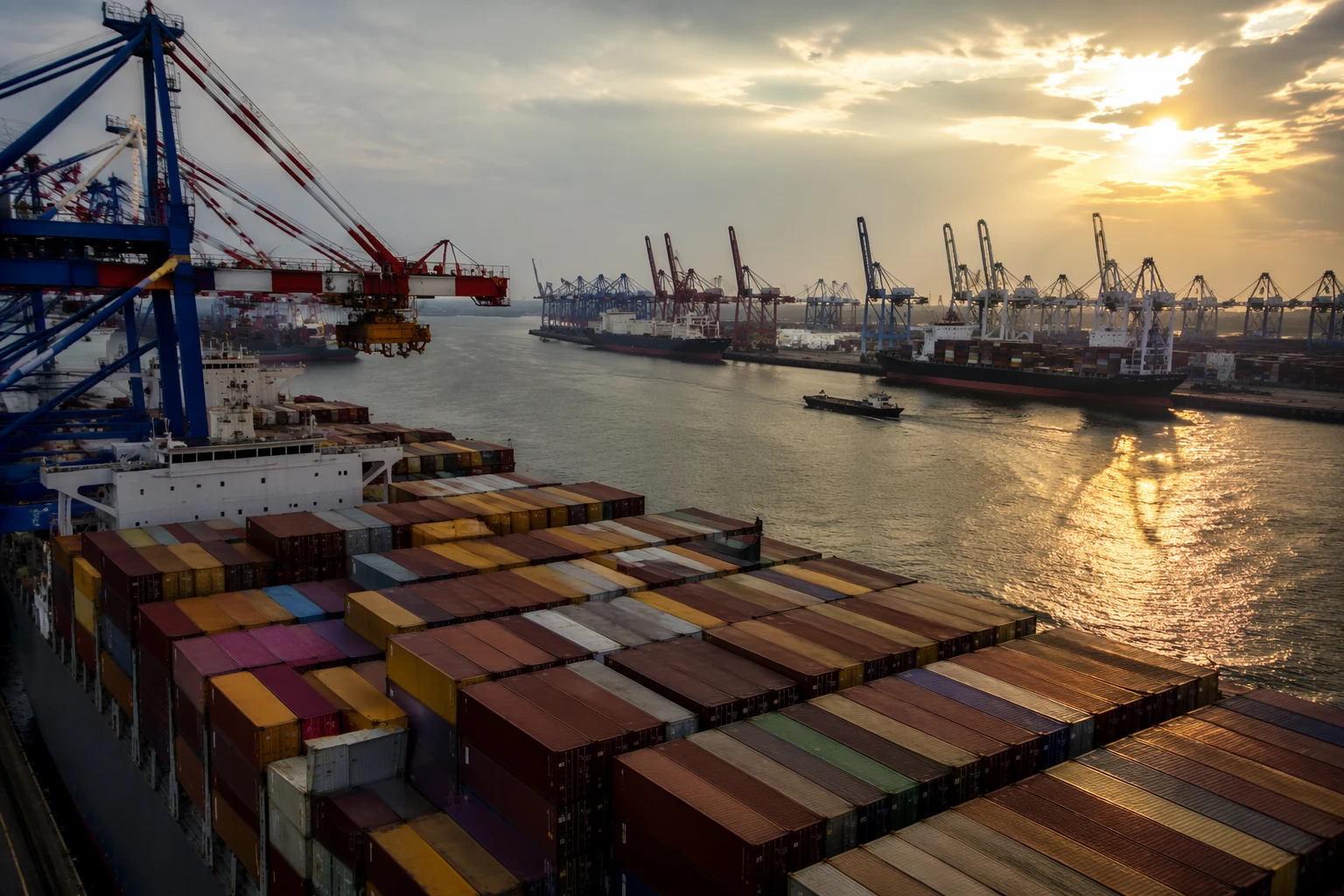
The United States Trade Representative launched the Section 301 investigation on April 17, 2024, issued its determination on January 16, 2025, sought public comments on February 21, 2025, held hearings on March 24 and 26, 2025, and announced responsive actions on April 17, 2025. The fee schedule starts at zero for the first 180 days, then rises to charges including $18 per net ton or $120 per container for operators of Chinese-built ships. The measures are designed to limit disruption for U.S. exporters while still pressuring China over dominance in shipbuilding, logistics and maritime services.
BIMCO adopted a standard clause in July 2025 to handle the uncertainty around USTR’s actions, then developed a separate clause for China’s retaliatory port fees on U.S.-linked vessels. Beijing introduced those special port fees in October 2025, effective October 14, 2025, before suspending them for 12 months.
Sources
- [1]money.usnews.com
- [2]diw.de
- [3]ustr.gov
- [4]bimco.org