World
Germany and Japan deepen defense ties amid global instability
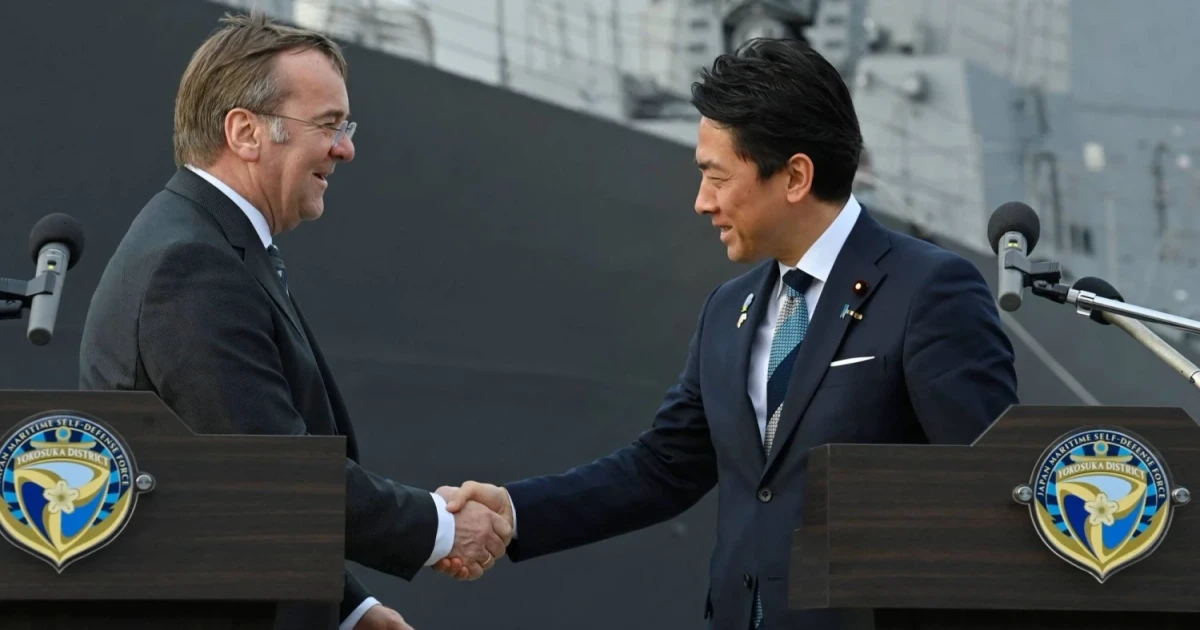
Germany and Japan are recasting a relationship once defined by the Axis alliance into a modern defense partnership, with fighter jets, naval visits and ministerial talks linking two of the world’s biggest military powers. Both governments now say security in the Euro-Atlantic and Indo-Pacific is “inseparable,” a striking phrase for countries that spent decades under the shadow of postwar restraint.
The historical echo is impossible to miss. Germany, Italy and Japan signed the Tripartite Pact in Berlin on September 27, 1940, and the agreement was meant in part to deter the United States from entering World War II. Today’s cooperation moves in the opposite direction, driven not by conquest but by strategic pressure from Russia’s war in Ukraine, China’s military rise and wider instability across Europe and the Indo-Pacific.
The practical ties have become increasingly visible. German military assets deployed to the Indo-Pacific in 2024, while Japanese naval ships visited Germany the year before. In September 2025, Japanese F-15 fighter jets traveled to Germany for defense exchanges for the first time. German air force aircraft also trained in Japan during the 2024 Nippon Skies exercise, where three German Eurofighters and one A400M flew alongside Japanese forces to strengthen mutual trust and interoperability.
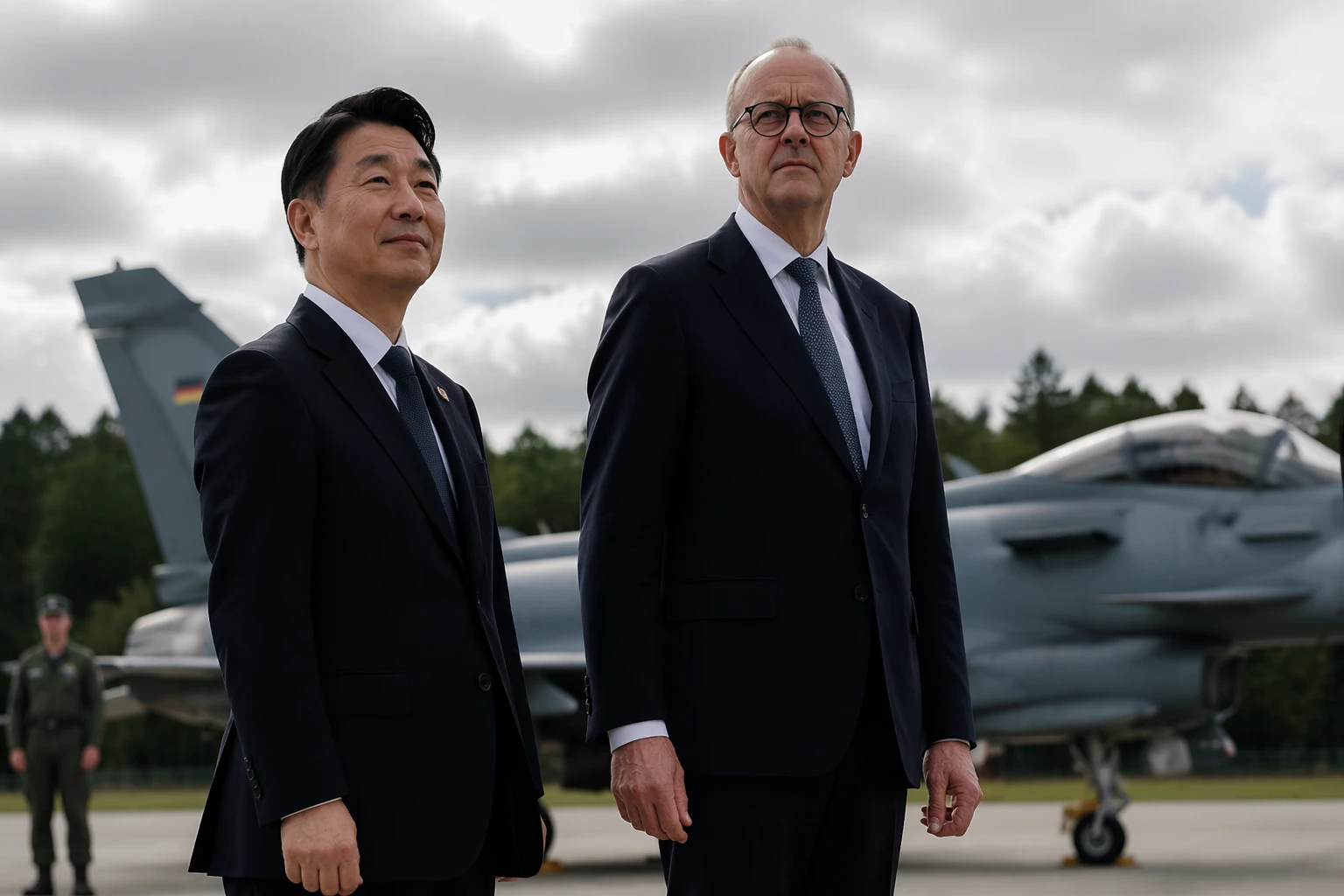
The latest push came in March 2026, when Japan’s defense ministry said the two ministers agreed to further deepen defense cooperation and exchanges. The talks covered cyber, space, equipment and technology, along with coordination on Iran and regional security. That agenda places the partnership inside a broader pattern of NATO outreach to Indo-Pacific partners, as European militaries look beyond their immediate neighborhood for security links and political leverage.
The scale of Germany’s rearmament helps explain the shift. Germany’s military expenditure reached about 1.9% of gross domestic product in 2024, according to World Bank data sourced to SIPRI. SIPRI said world military spending hit a record $2.887 trillion in 2025 and listed Germany among the five biggest spenders, alongside the United States, China, Russia and India. Japan is deepening defense diplomacy in parallel with the United Kingdom, Australia and NATO partners, signaling that Berlin and Tokyo are no longer treating each other as distant democracies, but as frontline collaborators in a more dangerous era.
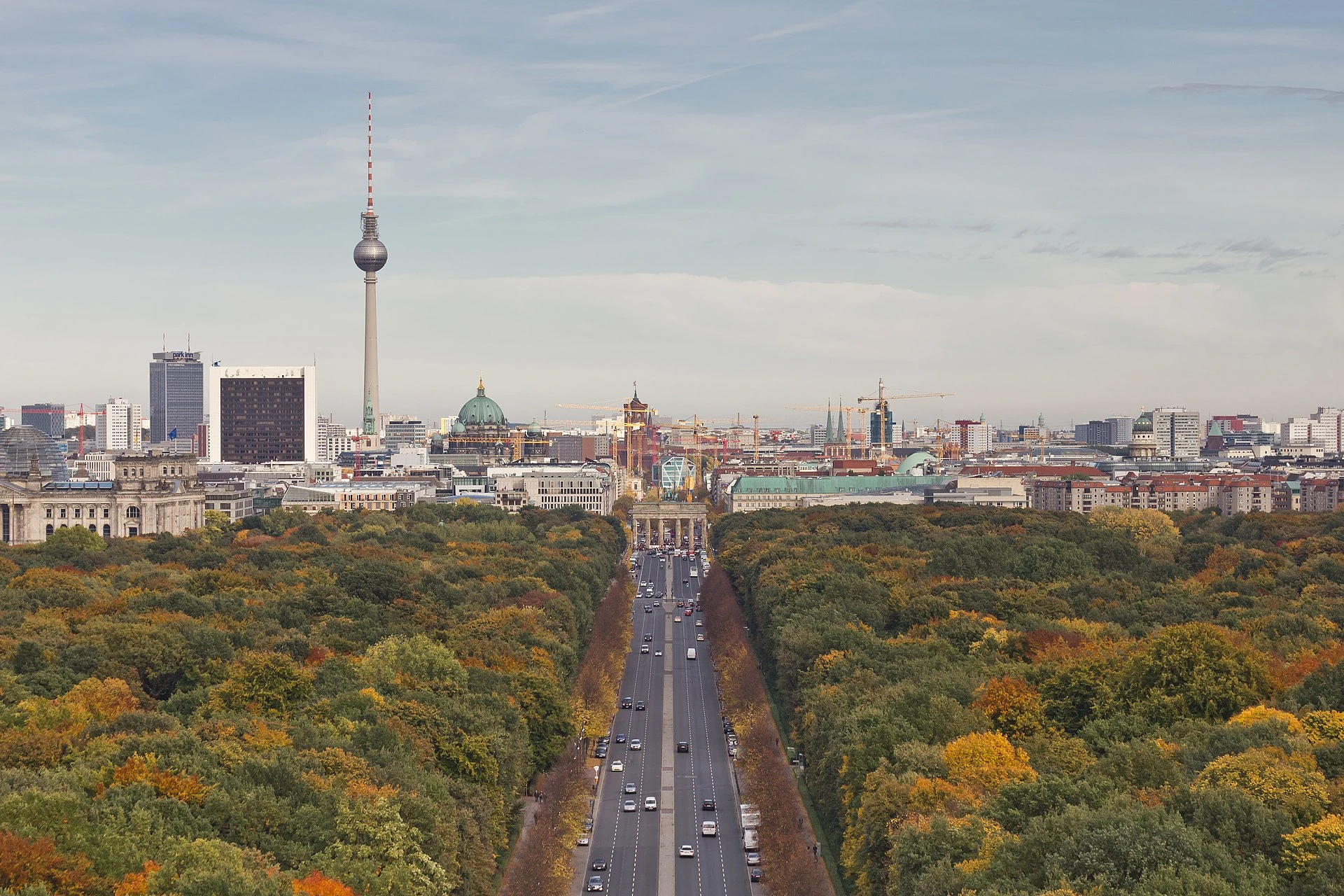
German Ambassador Petra Sigmund summed up the new tone when she called Tokyo Berlin’s “premium partner” in the Indo-Pacific. That language reflects more than courtesy. It shows how far both countries have moved from the postwar order that once kept their militaries in check, and how consequential their growing alignment has become for security far beyond Europe and East Asia.
Sources
- [1]nytimes.com
- [2]britannica.com
- [3]mod.go.jp
- [4]bundeswehr.de
- [5]shape.nato.int
- [6]sipri.org
- [7]data.worldbank.org
- [8]thediplomat.com
- [9]nato.int