World
Germany and Japan deepen defense ties amid supply-chain worries
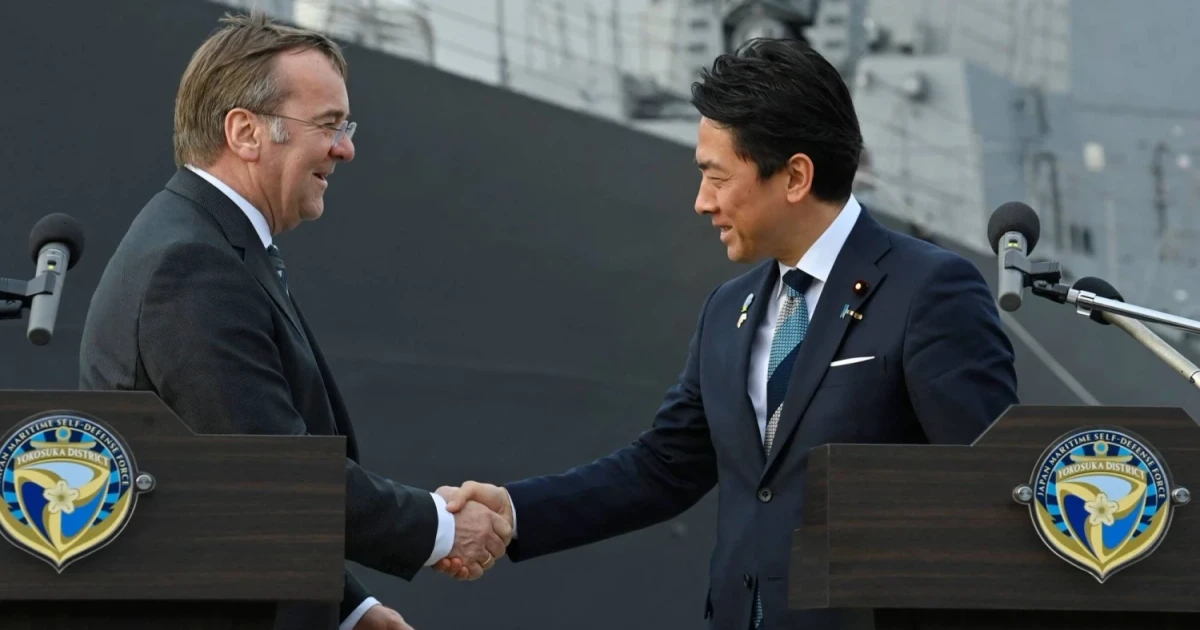
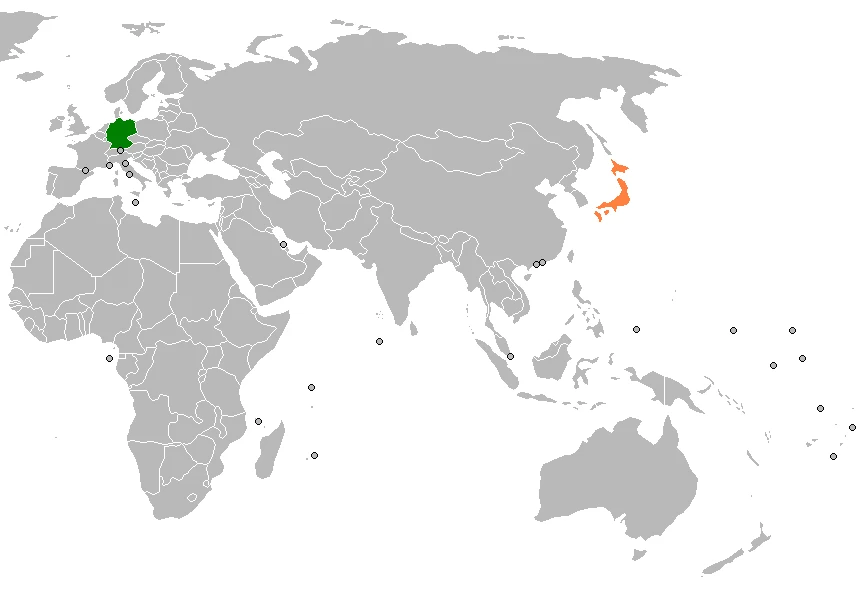
Germany and Japan are turning decades of postwar caution into a practical defense partnership, linking supply chains, military logistics and joint training in a way that would have been hard to imagine only a few years ago. Their agreement on reciprocal supplies and services, signed in Tokyo on January 29, 2024 and taking effect on July 12, 2024, gives the two militaries a formal way to support one another. The shift reflects a sharper security mood shaped by Russia, China and mounting pressure on allies to share more of the defense burden.
Eighty years after World War II, the change is more than a matter of larger budgets. Germany met NATO’s 2% of GDP defense-spending target in 2024 after retooling its military in response to Russia’s 2022 invasion of Ukraine. Japan has also been steadily increasing defense spending, with analysts often describing the country as moving toward its own 2% benchmark. In both capitals, security now means not only troops and weapons, but also resilience in chips, satellites and shipping routes.
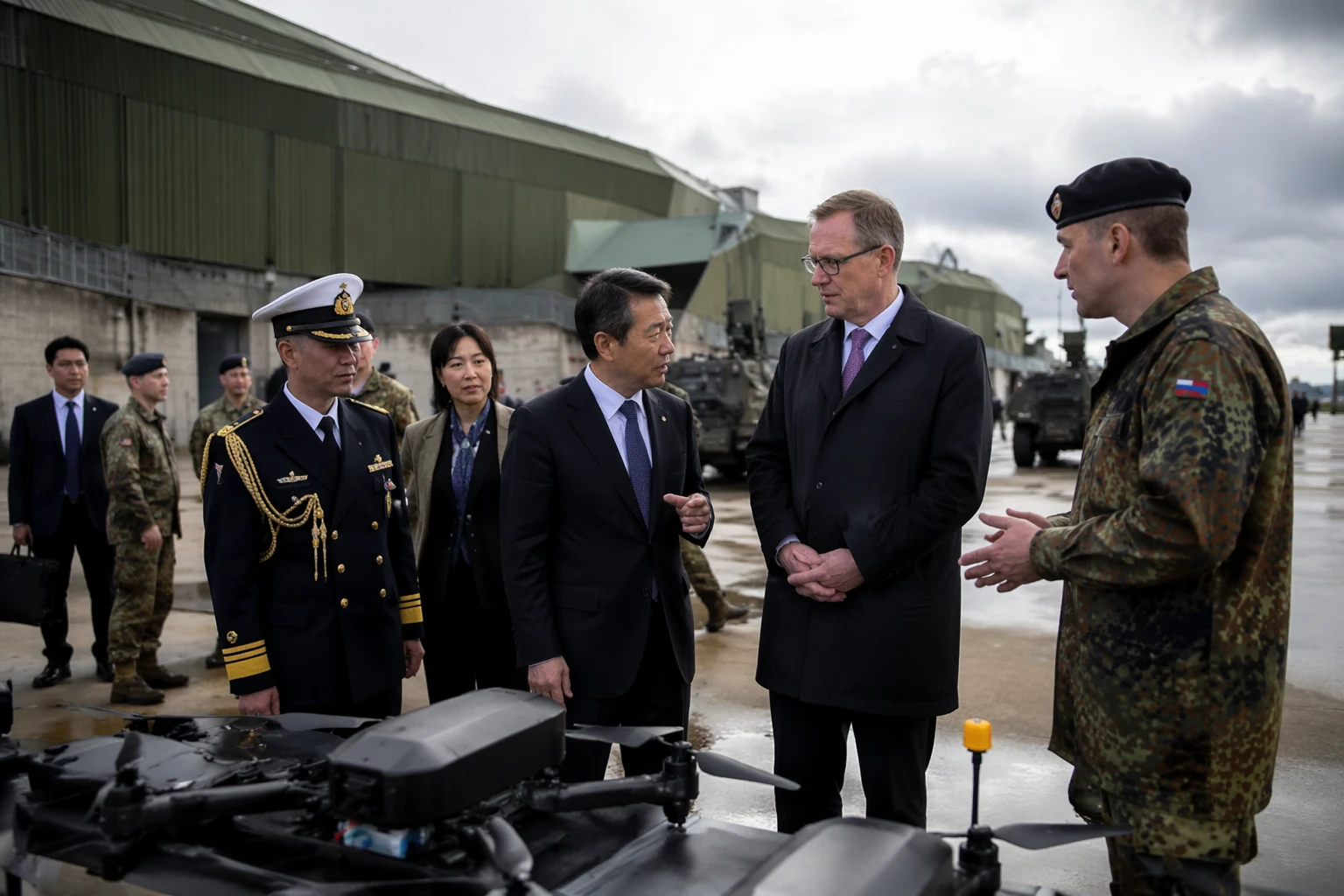
The diplomatic track has been moving almost as quickly as the military one. Japan and Germany held their first intergovernmental consultations in Tokyo on March 18, 2023, and economic security was one of the main topics. On March 15, 2024, the Japanese Foreign Ministry said the two sides would continue strengthening cooperation across security, defense and economic security, including supply-chain resilience. By July 2024, Fumio Kishida and Olaf Scholz had agreed to create a bilateral economic security consultation framework, a standing channel for dealing with vulnerabilities tied to China and other disruptions.

That cooperation has already reached the field. Germany’s 2024 Indo-Pacific deployment included air force drills in Japan under Pacific Skies and Nippon Skies, while Japan planned a Maritime Self-Defense Force training-fleet port call in Hamburg that summer. Japanese officials also said Germany sent military aircraft and a frigate to Japan in 2024. NATO cast the German deployment as part of broader interoperability training with allies and partners in the Indo-Pacific, underscoring how Europe and Asia are becoming linked in the same security conversation.
The relationship has also moved into industry. Yomiuri Shimbun reported that a closed-door Japan-Germany defense-industry meeting in Berlin in late 2025 brought together about 70 government and company representatives to discuss counter-drone technology and satellite-data sharing. That step matters because it shows the partnership is no longer only symbolic or ceremonial. Berlin and Tokyo are building an arrangement that ties defense policy, economic policy and industrial strategy into one framework, with consequences that reach well beyond either country’s borders.
Sources
- [1]news.google.com
- [2]mofa.go.jp
- [3]japannews.yomiuri.co.jp
- [4]shape.nato.int
- [5]reuters.com