World
Germany campaign uses trademarks to hit Nazi merchandise sales
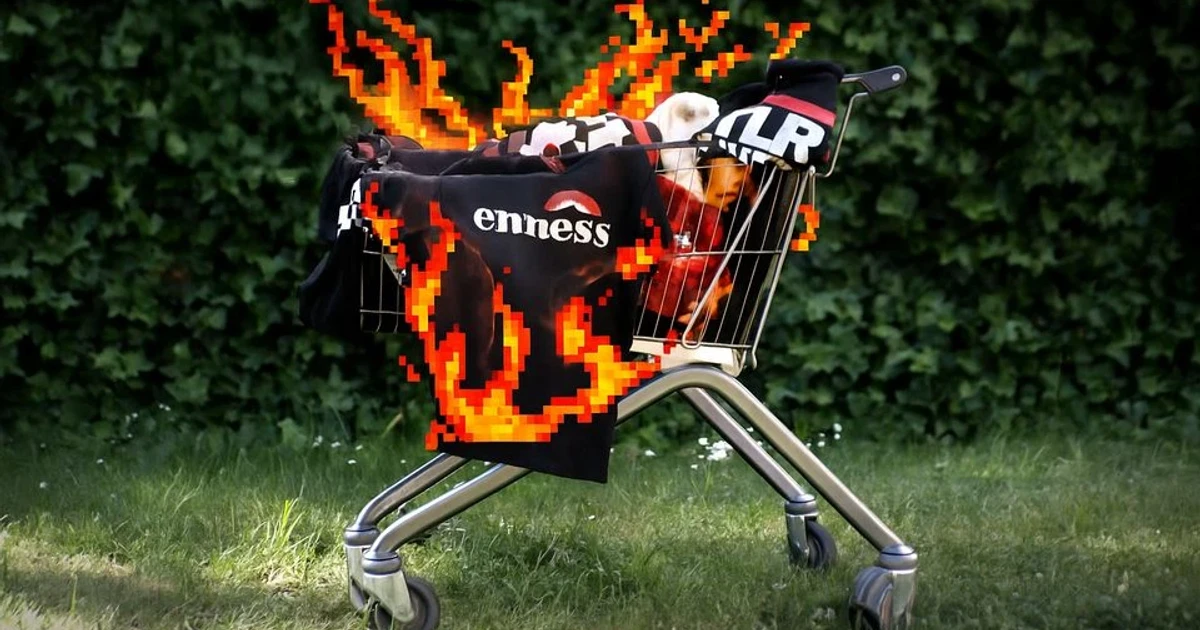
Germany’s latest anti-Nazi campaign is not trying only to ban symbols. It is trying to seize the names, codes and labels that keep extremist merchandise profitable, from Enness and ESSESS to AWB and, later, Druck18 itself. By turning trademark law into a weapon against far-right branding, Laut gegen Nazis e.V. is betting that cutting off sales can do more damage than another round of symbolic enforcement.
The Hamburg-based group was founded in August 2004 by music producer Jörn Menge, and its Rights Against the Right project was launched in 2024 with the Berlin agency Jung von Matt. The campaign grew out of a simple problem: many Nazi symbols are already banned in Germany, but extremist networks have long shifted to abbreviations, coded phrases and merchandise that stay just inside the law. Laut gegen Nazis calls trademark law a legal hack because it can hit the commercial side of that ecosystem.
The group has reported securing trademarks for Enness, also written ESSESS, a code tied to Nazi ideology, and AWB, short for Afrikaner Weerstandsbewegung. Its later trademark action against Druck18 targeted what reporting describes as Germany’s largest Nazi merchandise shop, aiming to stop the operator from using the name commercially and to force removal and destruction of branded items. The campaign’s stated model goes further than takedown notices: it seeks compensation for each item sold.
The attention has been enormous. Campaign materials say Rights Against the Right has generated more than 2.2 billion media impressions, 117 million social impressions and a 667% increase in donations. That reach has helped expose an ugly business model in which hate is packaged, sold and circulated like any other consumer brand, even as the ideology behind it remains violent and exclusionary.
Druck18 brings that contradiction into sharp relief. Reporting identifies the shop’s operator as Tommy Frenck, a neo-Nazi and a central figure in the German far-right scene, with a store that reportedly sells hundreds of items carrying racist, antisemitic and revisionist content. One source says more than 50% of Druck18’s revenue supports Laut gegen Nazis and related anti-extremism projects, an inversion that underlines how money can move through extremist culture in unexpected ways.
That is why the campaign matters beyond the legal novelty. Germany’s criminal code already restricts unconstitutional symbols, but extremists have adapted by shifting into codes that are harder to police and easier to sell. The trademark strategy is an attempt to hit the financing and distribution channels behind the scene, not just the imagery on the surface. Whether that materially weakens extremist networks or simply forces them to rebrand will help define its real impact.
Sources
- [1]nytimes.com
- [2]jvm.com
- [3]adsoftheworld.com
- [4]roastbrief.us
- [5]lautgegennazis.de
- [6]prleap.com
- [7]druck18.com