World
Germany hits record 106 degrees as Europe endures heat wave
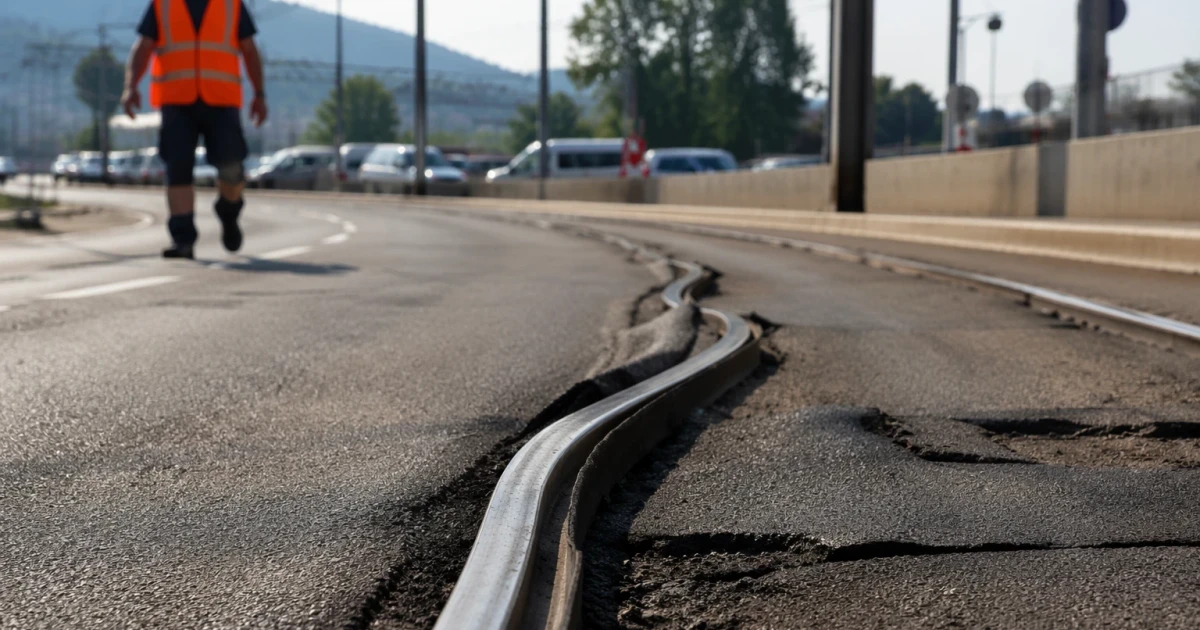
Germany’s national weather service said a new national temperature record of 41.3 degrees Celsius was reached on June 26 near Saarbruecken, close to the French border, as a punishing heat wave drove temperatures to 106 degrees Fahrenheit in parts of the country. The reading capped a stretch of extreme heat that has pushed Germany into the center of a continent-wide stress test.
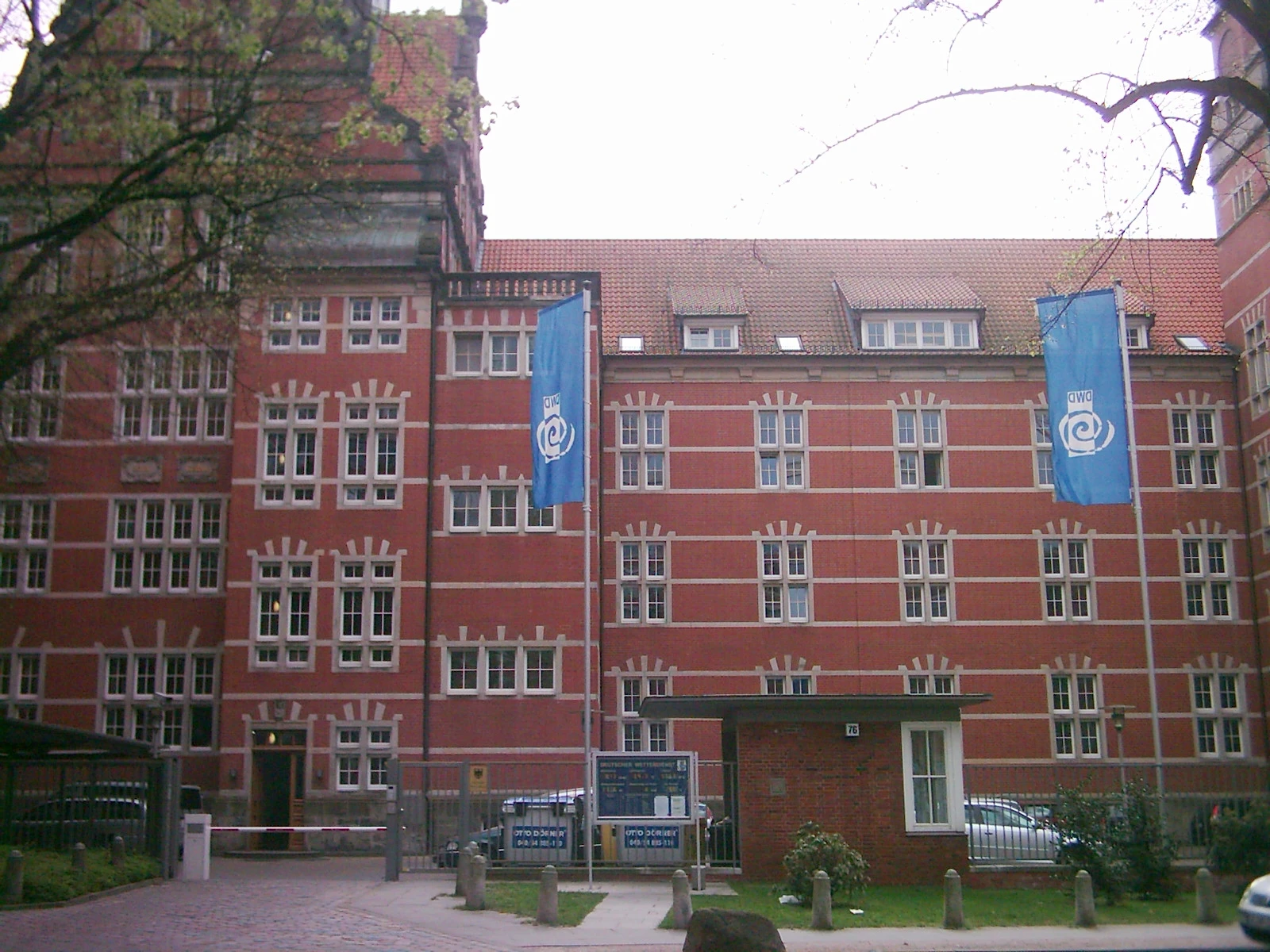
The Deutscher Wetterdienst issued an unusually early heat warning on June 25, saying heat warnings are posted when temperatures can become a danger to human health. It also said the current hot spell was intensifying the urban heat-island effect in German cities, where asphalt, dense buildings and limited shade can keep temperatures elevated long after sunset. The agency’s warning underscored how quickly the strain on public health systems can rise when extreme heat arrives before midsummer.
The German record was part of a broader June 2026 heat wave that has set marks in Switzerland, Denmark and the Czech Republic, according to Reuters and the Associated Press. The same reporting said the hot air mass moved eastward after baking western Europe earlier in the week, carrying the burden of high temperatures from one set of countries to the next and broadening the number of systems under pressure at once.
The consequences have reached beyond weather charts. Reuters and the Associated Press linked the heat wave to deaths in France, while Germany also reported highway damage and train cancellations as infrastructure buckled under the heat. Even Nordic countries, long associated with cooler summers, recorded unusually high temperatures, a reminder that the geographic boundary of severe heat is no longer confined to the Mediterranean. Rail networks, roads and energy systems are now being forced to absorb conditions that were once considered exceptional rather than recurring.
The early warning from Germany’s weather service and the record near Saarbruecken fit into a growing pattern across Europe: hotter starts to summer, more frequent record-setting days and sharper pressure on cities built for milder weather. The DWD’s climate monitoring work has focused on special meteorological events of this kind, and this one has quickly moved from an isolated heat spike to a test of health systems, transport links and urban resilience across the continent.
Sources
- [1]cbsnews.com
- [2]dwd.de
- [3]hitzewarnungen.de
- [4]apnews.com
- [5]msn.com
- [6]straitstimes.com