Business
Germany industry employment falls to 10-year low, hiring freezes grow
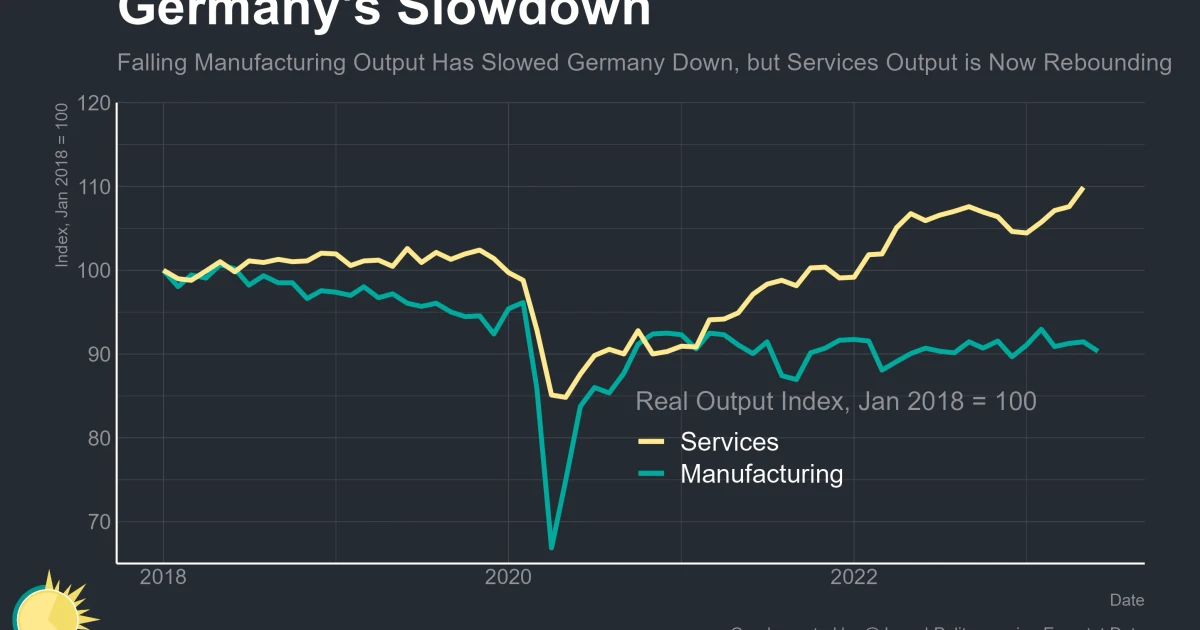
Germany’s industrial labor market has slipped to its weakest point in a decade, and the more troubling signal is how it happened. Employment in industry fell to 6.6 million workers in 2025, according to the German Economic Institute, with companies choosing to leave vacancies open longer and slow new hiring rather than cut staff in large numbers.
That distinction matters because it suggests a structural loss of momentum, not just a temporary downturn. Industry’s share of total employment has fallen to 19% from 22% in 2014, underscoring how the sector that once anchored Germany’s export strength is steadily losing weight in the broader economy. The shift also raises a harder question for policymakers in Berlin: whether the slump reflects a cyclical pause or a longer erosion of manufacturing’s role in Europe’s largest economy.
The labor market weakness is being reinforced by the economics of the jobs themselves. Industrial companies have become less attractive to workers as the wage premium over other sectors has roughly halved over the past decade. At the same time, factories are contending with higher energy costs, weaker global demand and more uncertainty around manufacturing investment, a combination that makes it harder to defend Germany’s long-standing edge in heavy industry and advanced production.
Luisa Kunze, a labor market expert at Bertelsmann Stiftung, described the slowdown in new hiring as a warning sign for future employment trends. Her organization’s broader analysis points in the same direction: Germany’s active labor force is expected to shrink by 2040, and manufacturing’s importance as an employer will keep declining. Bertelsmann Stiftung has argued that higher wages, better working conditions and stronger promotion prospects are needed if companies want to retain workers in occupations already facing shortages.

The latest figures fit a broader downturn already visible in the industrial base. A separate EY study released in August 2025 found that German industry had lost almost 250,000 jobs since 2019, with car manufacturing hit particularly hard. Taken together, the data suggest Germany may avoid an abrupt collapse in output, but still face a slower, more consequential loss of industrial jobs, labor-market dynamism and competitive strength.