Business
Germany inflation cools to 2.4% as ECB easing debate continues

Germany’s inflation cooled to 2.4% in June, a fresh sign that price pressures in Europe’s largest economy are easing even as the European Central Bank keeps a close watch on sticky underlying costs. The reading mattered well beyond Berlin: Germany is often the euro area’s bellwether, and shifts there can quickly reshape expectations for borrowing costs across the currency bloc.
The Federal Statistical Office of Germany said the national consumer price index rose 2.3% from a year earlier in June, down from 2.6% in May and 2.9% in April. The harmonized measure tracked by the ECB came in at 2.4%, still above the central bank’s 2% goal but lower than the previous month. Energy remained a key driver, though the rise in energy product prices was less pronounced than in May, helping pull the headline rate down.

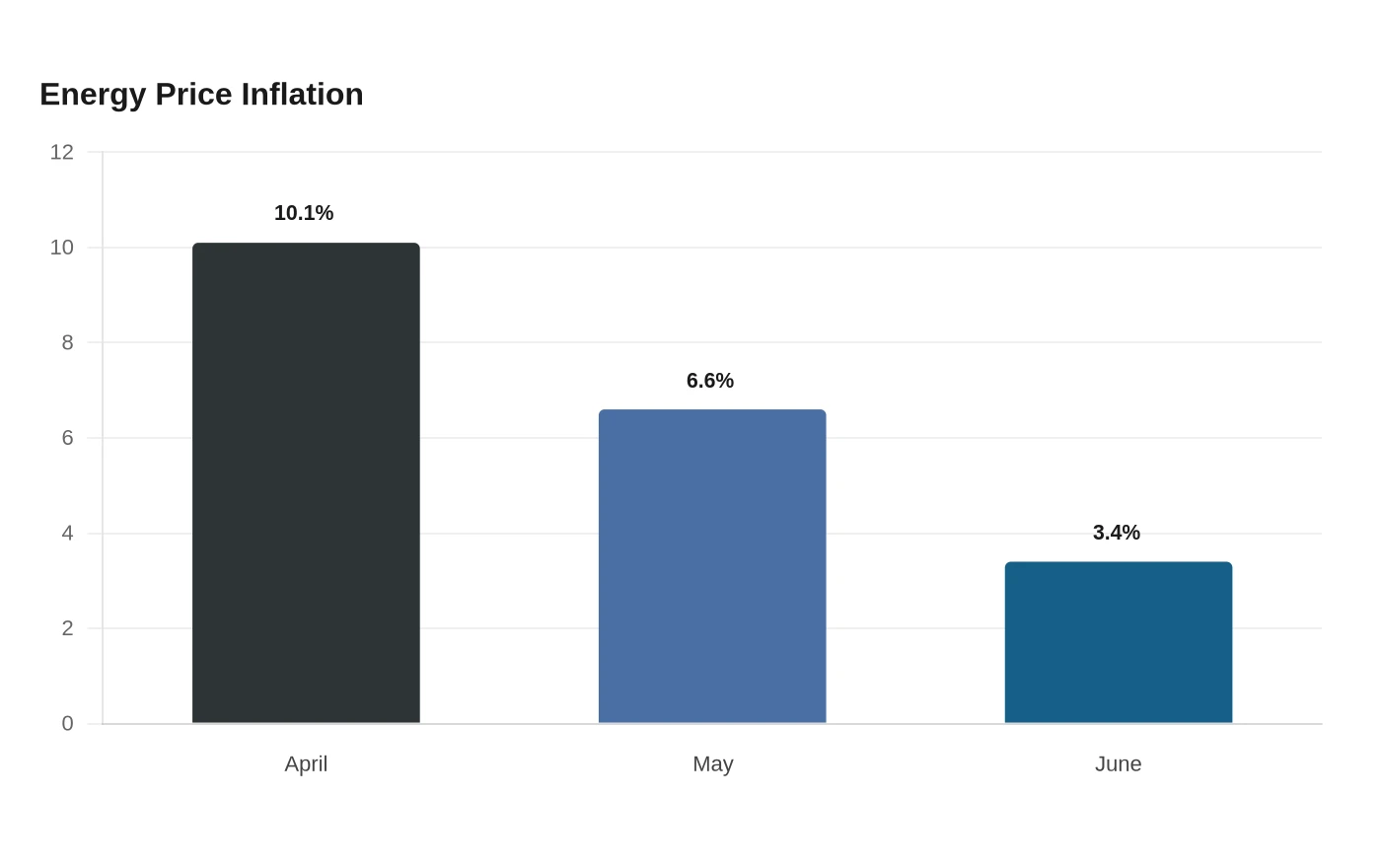
The details point to progress, but not yet to victory. In its preliminary June release, Destatis said core inflation excluding food and energy was expected at 2.5%, showing that domestic price pressures were still running hotter than the headline number. Energy prices were expected to rise 3.4% year on year in June, a slower pace than 6.6% in May and 10.1% in April. Food prices also moved unevenly, with lower prices for edible fats and oils and dairy products, while eggs became more expensive.
For the ECB, the timing is awkward. On June 11, policymakers raised their three key interest rates by 25 basis points and published staff projections showing euro area headline inflation averaging 3.0% in 2026, 2.3% in 2027 and 2.0% in 2028. ECB accounts released on July 9 showed members had been presented with projections suggesting inflation would stay above target into next year despite nearly three rate hikes. Christine Lagarde said the Governing Council remained committed to ensuring inflation stabilises at its 2% target over the medium term.
That leaves Germany’s softer June reading as partial reassurance rather than a green light for faster easing. Lower inflation supports household purchasing power and reduces some pressure on companies facing wage and input costs, but the persistence of services and core inflation means the ECB is unlikely to declare the disinflation fight over. If energy prices keep moderating, the case for easier policy later in the year strengthens. If they turn higher again, especially amid geopolitical tensions, the bank is likely to keep borrowing costs elevated for longer.
Sources
- [1]money.usnews.com
- [2]destatis.de
- [3]ecb.europa.eu
- [4]bundesbank.de