World
Germany rail service resumes after nationwide digital radio failure

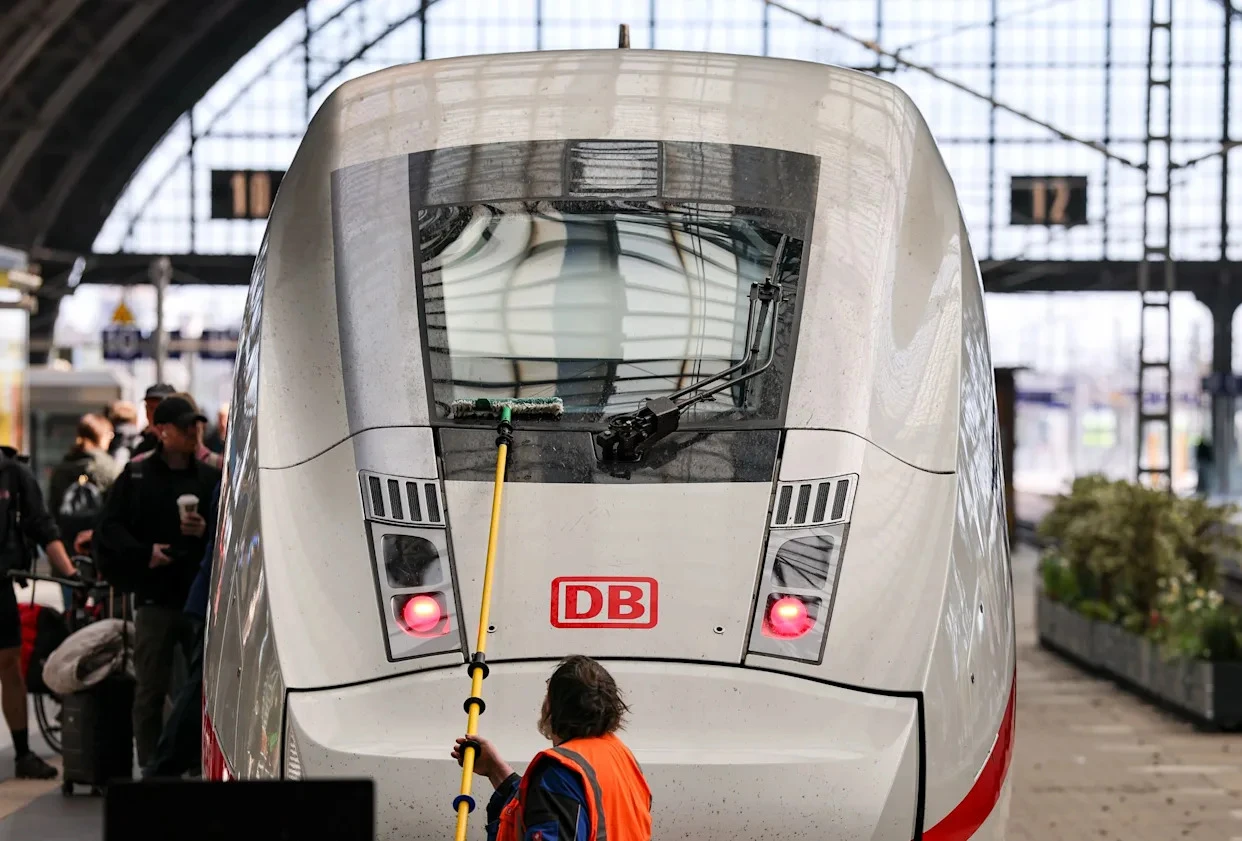
Deutsche Bahn began restoring rail service early on June 24 after a nationwide digital radio failure forced trains to stop across Germany and left passengers stranded at stations the day before. The interruption lasted about two hours before traffic started to resume step by step, after technicians fixed the problem in the rail operator’s communications network.
The failure hit the GSM-R system, the voice-and-data standard that links train drivers with traffic control centres. Deutsche Bahn said the cause appeared to be the scheduled replacement of a technical component in that network, and DB InfraGO chief Philipp Nagl said the company was analyzing exactly how the replacement led to the disruption as a matter of highest priority. A security source said nothing pointed to sabotage, shifting attention to operational resilience and the risks of a central communications layer failing at once.

The stoppage immobilized trains at stations and disrupted long-distance and regional services, along with some local transport networks. Reporting described it as one of Germany’s biggest rail-related disruptions. The episode underscored how a single technical fault in a core system can ripple through a national transport network, especially one that depends on digital communications to keep services moving and safely separated.
The scale of Deutsche Bahn’s network helps explain the reach of the outage. In its 2025 annual report, the company said the DB Group carried 2,498 million passenger journeys, operated 1,108 million train-path kilometers on track infrastructure, and recorded 159.6 million station stops. Long-distance punctuality stood at 60.1% in 2025, leaving little margin for a system-wide failure that stopped traffic altogether.
The GSM-R platform is not a local German invention but a European rail standard. The European Union Agency for Railways says it has been introduced across Europe since 2000 as a common system essential to interoperability, making this week’s shutdown more than a domestic glitch. It exposed how dependent modern rail operations are on a network built for constant coordination, and how quickly a maintenance error can freeze movement across a country at the heart of Europe’s largest economy.