World
Germany says EU-Mercosur trade deal still faces ratification hurdles
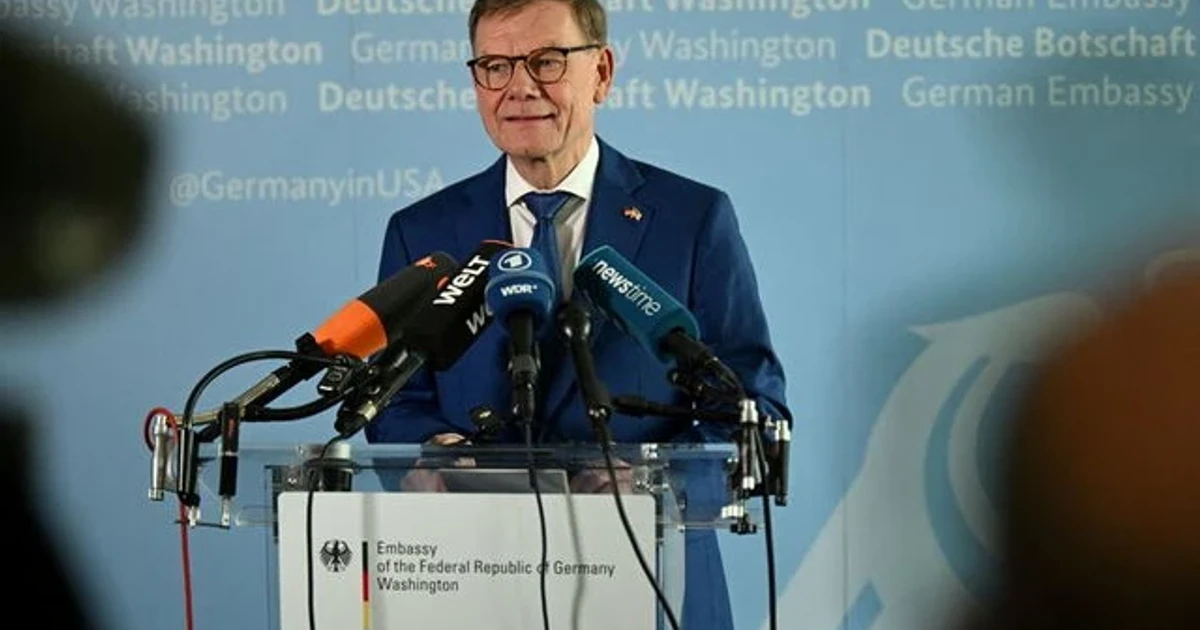
Germany's foreign minister, Johann Wadephul, said in Buenos Aires that the EU-Mercosur trade deal still had issues to resolve before ratification, even after 25 years of negotiations and a formal signature in January. The warning lands at a moment when Europe, South America and their exporters are trying to lock in new trade routes for cars, machinery, farm goods and industrial products, even as protectionist politics make big deals harder to finish.
The agreement links the European Union with Argentina, Brazil, Paraguay and Uruguay in what the European Commission calls the world's biggest trading zone. Brussels says the pact is meant to support growth, resilience and global partnerships while protecting farmers, consumers and environmental standards, but that promise has not erased the political resistance around it.
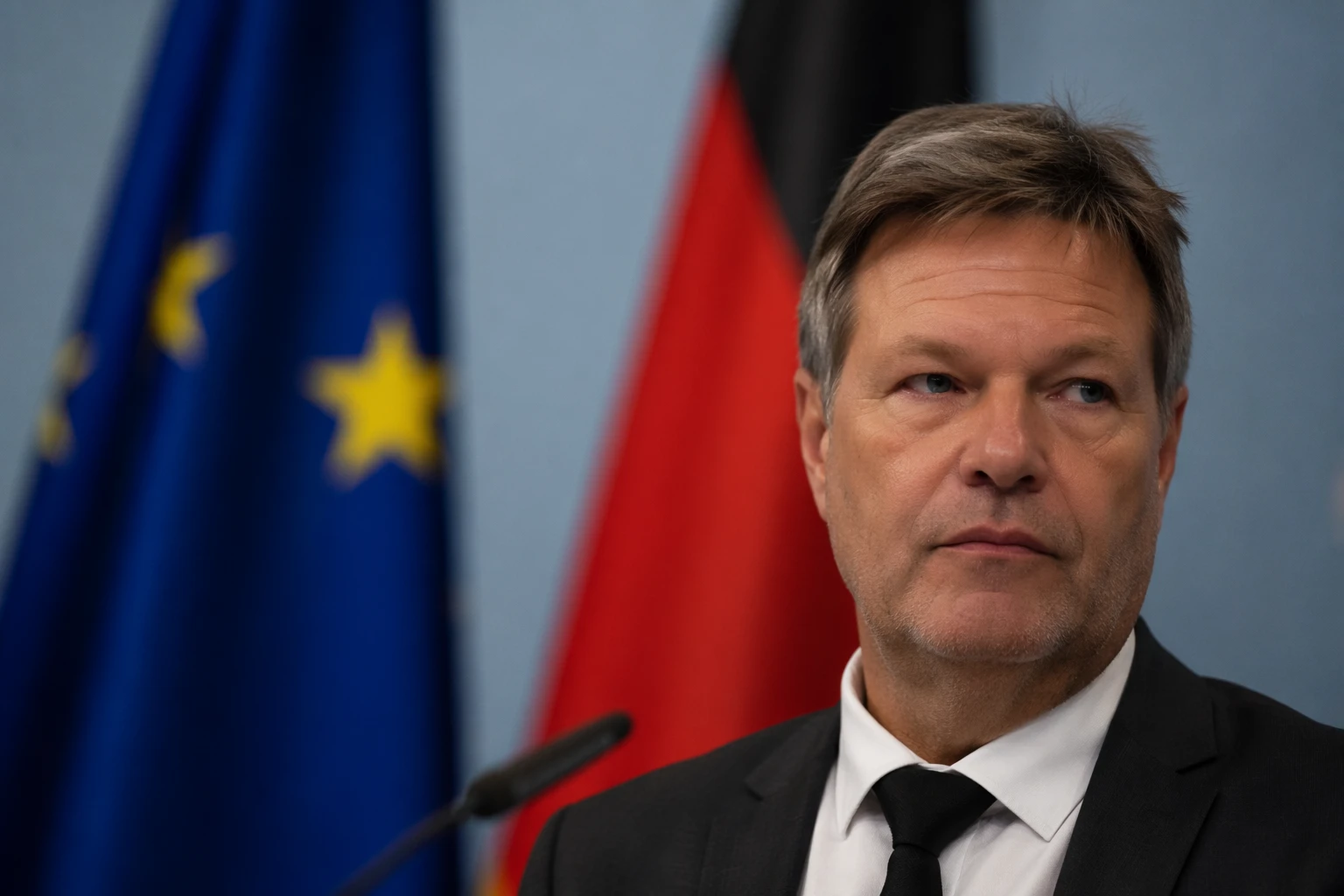
Public opposition has centered on the same fault lines that slowed the deal for years: European farmers fear more competition, some member states have raised legal and political objections to ratification, and environmental critics have targeted the accord over deforestation concerns. Wadephul's comments came after a Mercosur summit in Paraguay, where member countries discussed how export quotas should be divided under the agreement, a sign that the political bargaining did not end with the signature ceremony.
The legal structure matters as much as the politics. The Commission has said the EU and the four Mercosur countries reached a political agreement on the trade pillar on 6 December 2024, and the Council of the European Union authorized signature of the Partnership Agreement and the interim Trade Agreement on 9 January 2026. The Commission also said the interim trade agreement would be provisionally applied from 1 May 2026 once internal procedures were completed.
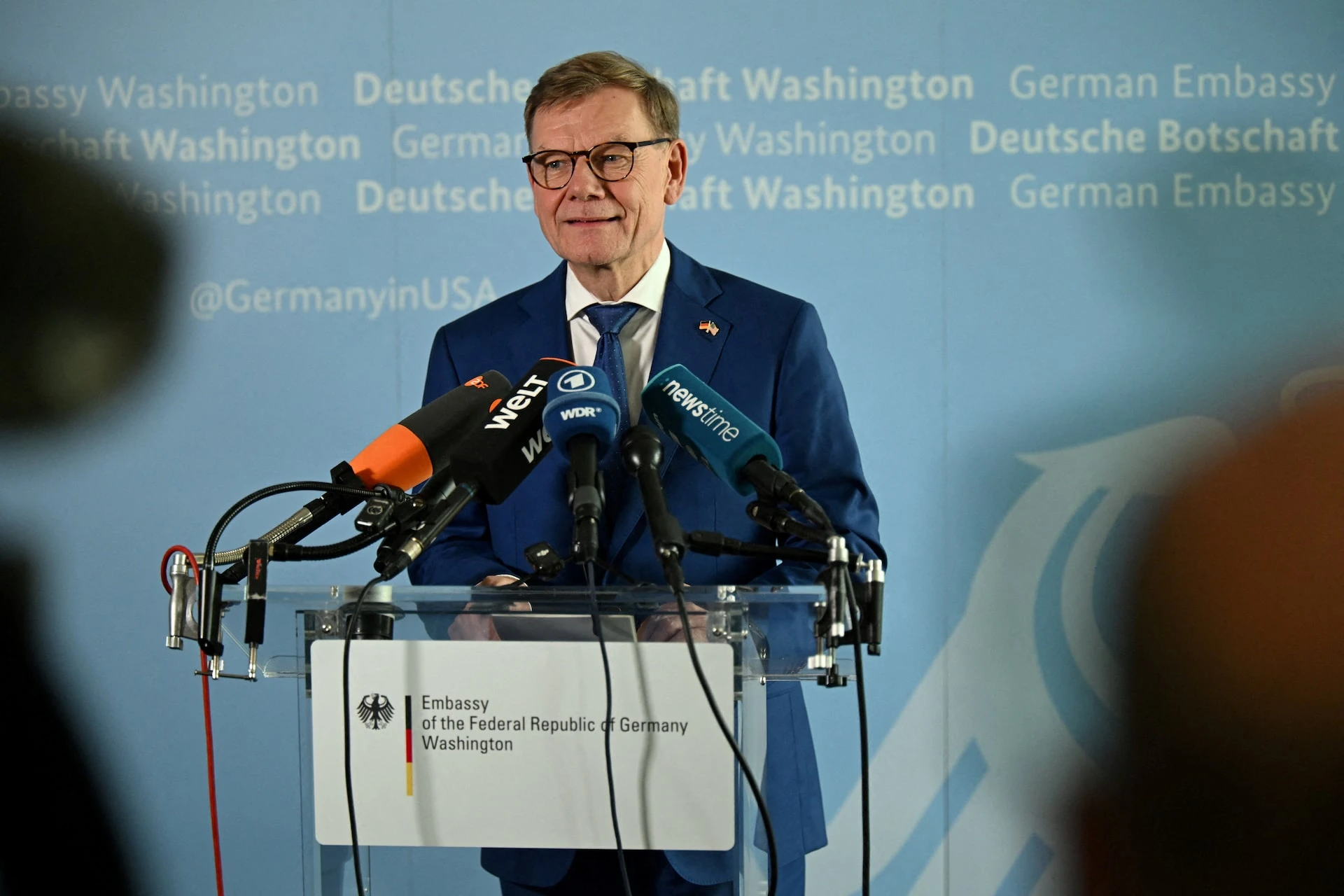
Even then, the broader Partnership Agreement is a mixed agreement, which means full ratification still requires approval beyond the EU institutions and in member states. That leaves room for national parliaments and domestic pressure groups to slow or reshape the final outcome, especially where agriculture and environmental safeguards are at stake.
The deal has been under negotiation for 25 years, a rare example of how a formally signed trade pact can remain politically unfinished. For Europe, it is part of a push to diversify trade ties in a more uncertain global economy; for Mercosur, it is a bid for deeper access to one of the world's largest markets, provided the remaining quota, ratification and legal hurdles can be cleared.