Politics
Germany unveils reform package to boost growth and ease costs
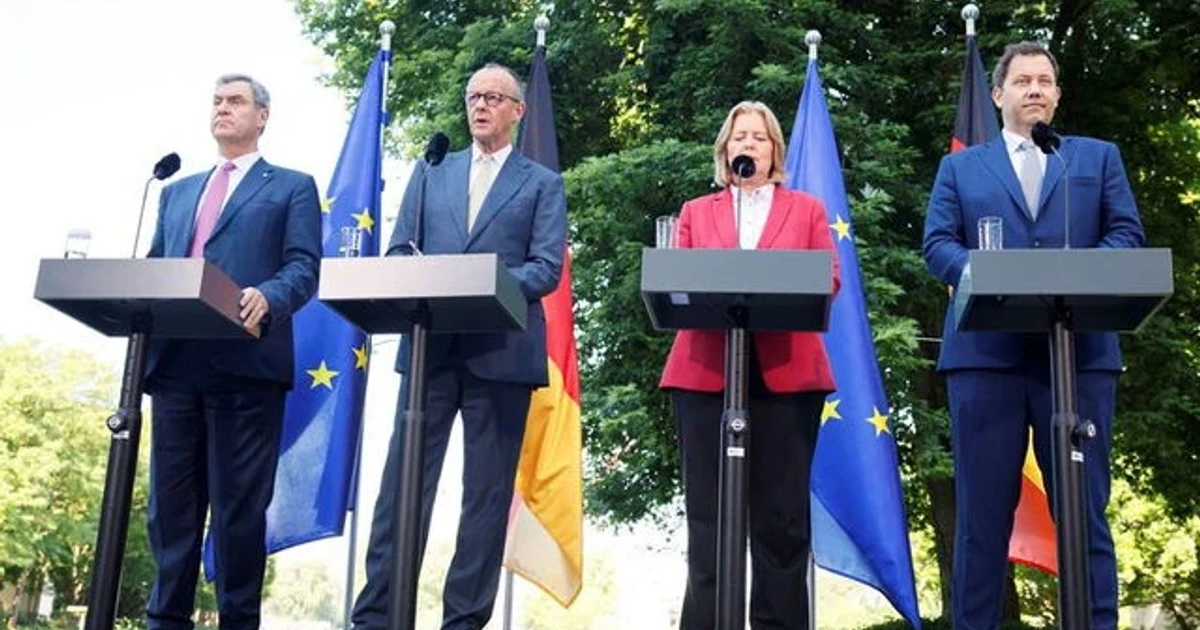
Friedrich Merz’s coalition agreed to a reform package in Berlin after seven hours of talks. The measures mix tax relief for lower-income earners with tighter labor rules, a push for cheaper housing, an anti-benefit-fraud plan and a target to cut staffing by 8% across federal ministries through digitization.
The package carries €10 billion in annual tax relief and would leave an average two-parent, two-child household with €60,000 in taxable income about €600 a year better off. To help pay for it, the coalition plans to raise the top income-tax rate to 47% from 45% for people earning €280,000 or more a year, while lifting the rate to 45% on incomes of €250,000 and above. The plan also includes broader pension changes and comes only a week after the coalition proposed adding a capital element to the state pension and gradually pushing back the retirement age.
The government wants to reduce corporate reporting obligations, widen employers’ ability to use short-term contracts and make it harder for workers to call in sick, including scrapping the right to get a sick note by telephone. The sick note change targets Germany’s high number of sick days.

Business groups welcomed the direction of travel, while trade unions warned that parts of the plan amount to an attack on workers’ rights or do not go far enough. Rainer Dulger, president of the Employers’ Association, called it a long-overdue change of course. Christiane Benner, who leads IG Metall, backed the tax relief but criticized the wider use of fixed-term contracts. Deutsche Bank chief executive Christian Sewing called the deal a “very successful opening move,” and ING economist Carsten Brzeski said the reform train has no brakes.
Holger Schmieding of Berenberg estimated that the package could lift trend growth from 0.4% to 0.7% a year and make Germany a better place to invest and create jobs again. The package still needs parliamentary approval by the end of the year, and the far-right Alternative for Germany had only 12% public satisfaction with the government in last month’s ARD Deutschlandtrend survey.
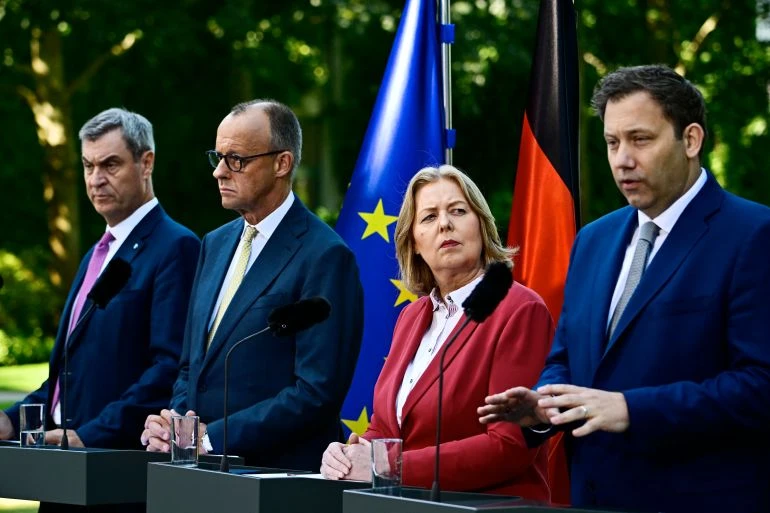
Germany’s €500 billion infrastructure special fund and related borrowing-rule changes for defense spending came 15 months earlier and have moved more slowly than expected.
Sources
- [1]usnews.com
- [2]uk.finance.yahoo.com
- [3]kfgo.com
- [4]thelocal.de
- [5]politico.eu