Politics
Germany warns US against election interference over funding plan
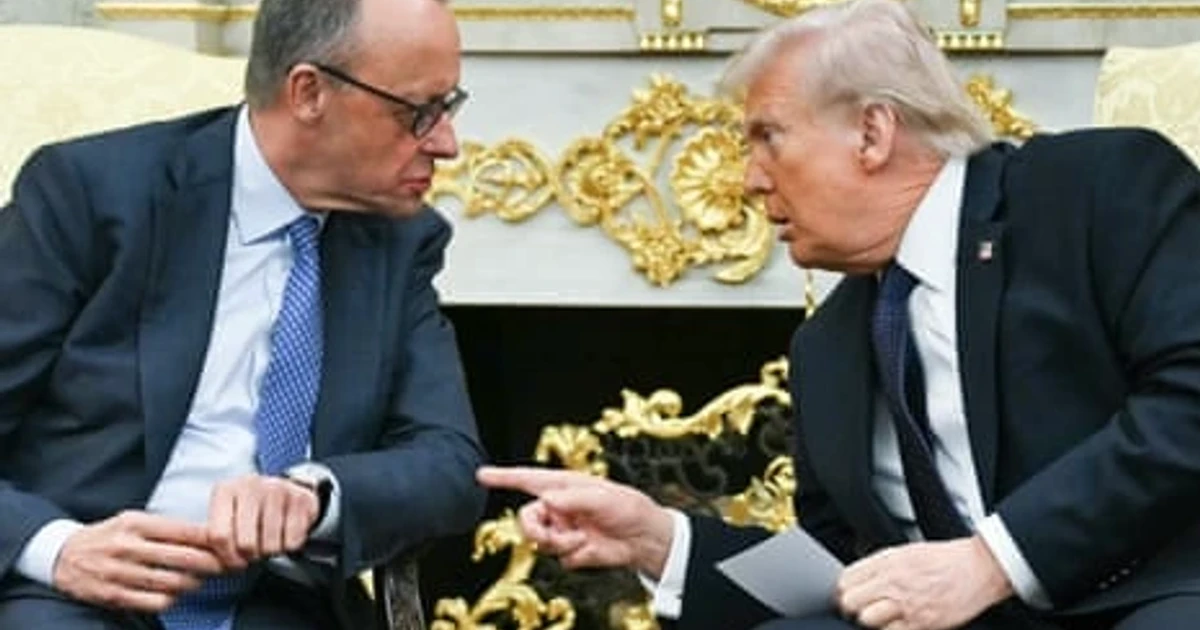
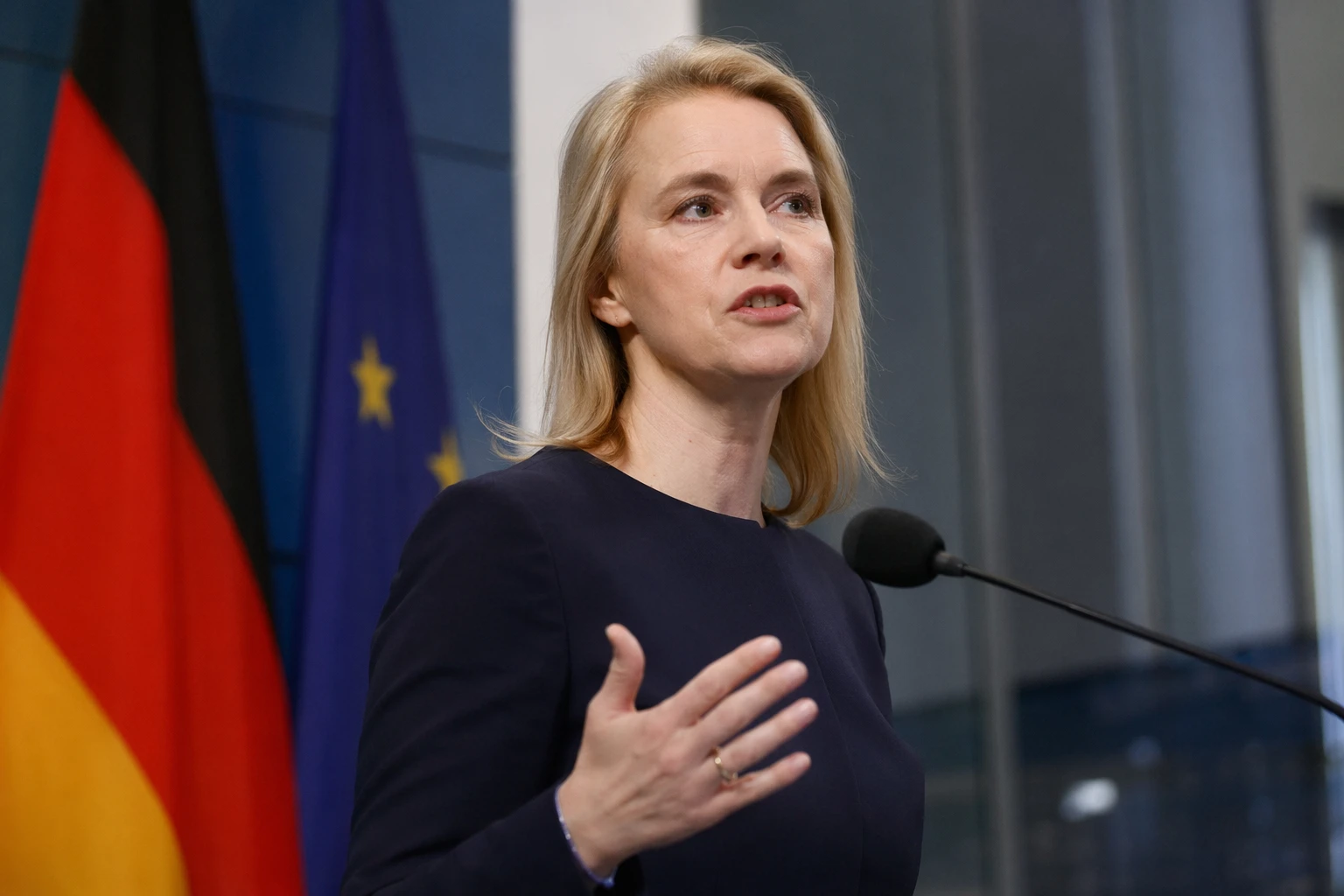
German Chancellor Friedrich Merz warned Donald Trump’s administration against interfering in German elections after the U.S. State Department unveiled a grant plan offering up to $3 million for European charities, thinktanks and individuals tied to sovereignty, migration and censorship.
Merz made the warning on July 15, 2026, during the German government’s annual summer press conference in Berlin. He said he did not want the United States to interfere in German elections, and later said he did not want the U.S. government or its institutions to interfere in Germany’s state elections. Under German law, it is illegal to finance political parties from abroad.
The funding plan has intensified concern in Europe because it is being described as support for Maga-aligned causes rather than neutral civic work. POLITICO reported that the State Department was releasing nearly $5 million for what it called “Western civilizational heritage” in Europe, a framing that put a clear ideological label on the initiative. The grants scheme has been linked to causes around sovereignty, migration and censorship, three themes already central to European campaign politics.
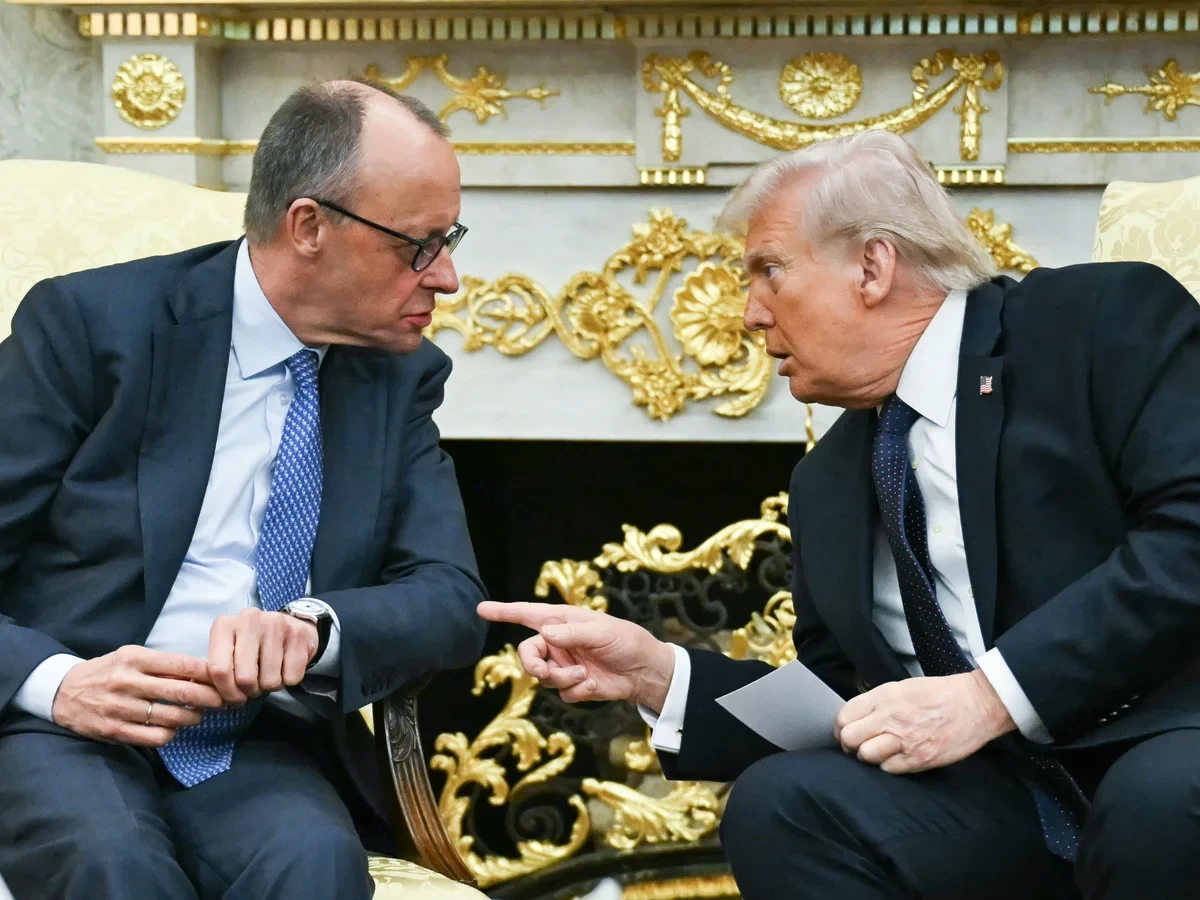
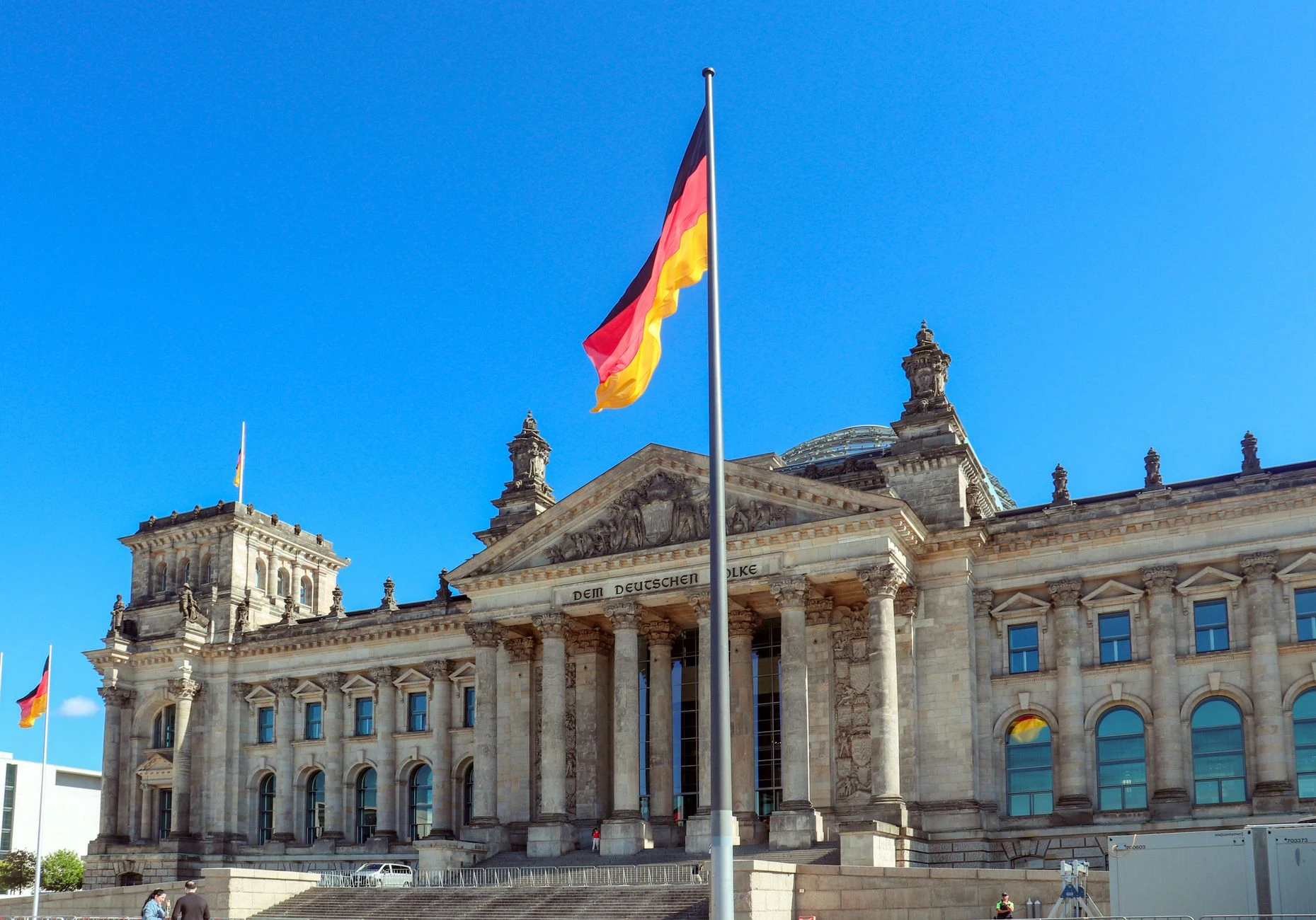
Germany’s reaction reflects a wider sensitivity to foreign meddling in domestic politics, especially in a country shaped by hard lessons about outside influence. The issue has become sharper as recent coverage has shown German officials increasingly worried about election interference from both Russia and the United States. That concern is not just about money moving across borders. It is about whether openly branded political funding can tilt debate while preserving the appearance of distance.
The dispute also reaches beyond Germany. Other European governments are likely to watch closely to see whether similar U.S.-backed programs spread elsewhere and how they are justified. If Washington is seen as underwriting one side of Europe’s culture wars, the damage may fall on more than one election cycle. It would also put a close ally in the uncomfortable position of warning the United States against behavior it has long denounced in others.
Sources
- [1]theguardian.com
- [2]xinhuanet.com
- [3]reuters.com
- [4]english.elpais.com
- [5]politico.eu
- [6]facebook.com