World
Germany weighs bringing coal back as gas prices surge
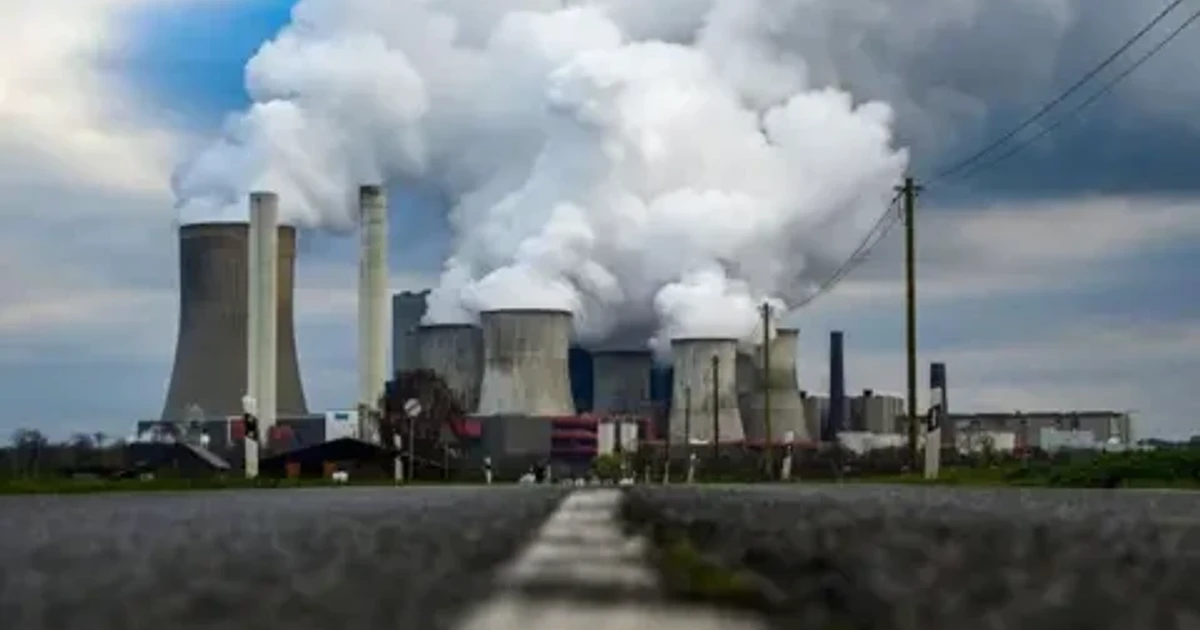
Germany’s coal exit is being stress-tested by surging gas prices and a slow recovery that has left policymakers torn between climate promises, affordability and industrial competitiveness. With gas quoted at 43.50 EUR/MWh on June 19, officials have weighed whether idle coal plants should be fired up again to help save fuel and cap energy costs.
The legal end point has not changed: Germany’s Coal Phase-out Act sets the last coal-fired electricity no later than 2038. A previous federal government had tried to pull that deadline forward to 2030, but no agreement was reached, and the country shut down its last nuclear reactor in 2023, narrowing the options as Berlin tries to balance supply security with emissions cuts.
The pressure intensified after POLITICO reported on March 27, 2026 that the German government was considering using coal more aggressively to blunt the impact of the war in Iran on energy prices. Reuters reported on June 12, 2026 that energy and commodity costs were still weighing on Germany’s sluggish economic recovery. In April 2026, the coalition agreed to €1.6 billion in fuel-price relief, and the federal government later said households buying electricity and gas could save an average of around €160 in 2026.
Germany’s dilemma is sharpened by its coal legacy. The country remains Europe’s largest producer of lignite and holds the third-largest lignite reserves in the world, after Russia and Australia. The mining regions in the Rhineland, central Germany and Lusatia remain politically sensitive, because any change in the phase-out timetable would hit jobs, local budgets and the wider industrial base.
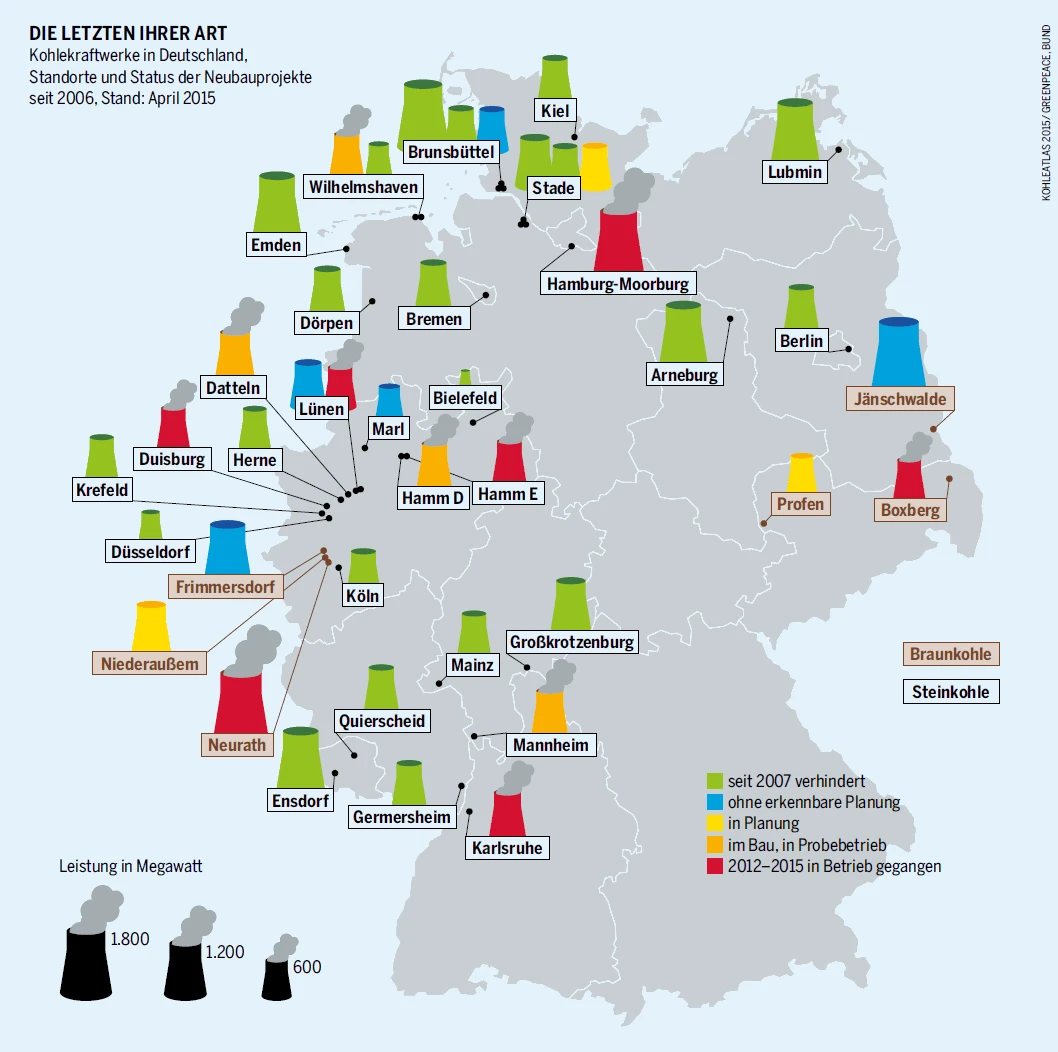
For now, the coal exit remains formally on track, but the system still carries a built-in safety valve. The transmission system operators and the Bundesnetzagentur can keep coal plants in a grid reserve for critical situations, a reminder that coal has never fully disappeared from Germany’s power system. A first stocktake in August 2026 is expected to examine how the phase-out is affecting energy supply security, power prices, greenhouse gas emissions and coal regions, and it will show how far the government can stretch its climate commitments before affordability and reliability push back.
Sources
- [1]bbc.com
- [2]bundesregierung.de
- [3]cleanenergywire.org
- [4]politico.eu
- [5]reuters.com
- [6]smard.de
- [7]d-eiti.de
- [8]land.copernicus.eu