Politics
Germany’s AfD turns Bauhaus into election battleground in Saxony-Anhalt
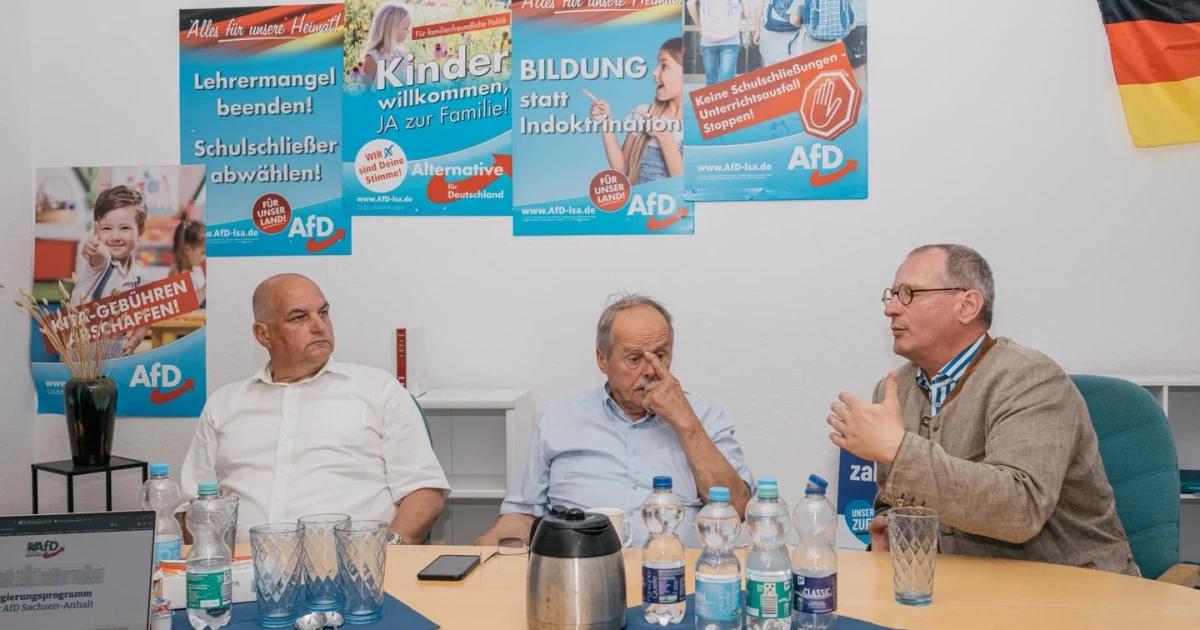
A century after Bauhaus was founded, Germany’s most famous modernist school has become a political target in Saxony-Anhalt, where the far-right Alternative for Germany is trying to turn culture into an election issue. Ahead of the September 6 state election, the party is pushing Bauhaus into the center of a broader identity campaign, casting the movement not as a national landmark but as an alien, rootless influence.
That shift matters because the AfD is not attacking Bauhaus only on aesthetic grounds. It is using the school to argue over what counts as authentically German, a message designed to resonate in a state where the party is polling strongly and could enter government for the first time. The fight over architecture and art has become a proxy battle over memory, belonging and who gets to define the country’s cultural inheritance.
Bauhaus has long stood for German modernism with global reach, which makes it an especially potent symbol in a political argument about identity. For the AfD, that international reputation is part of the problem. By framing Bauhaus as detached from national tradition, the party is seeking to turn a celebrated cultural legacy into evidence for a harder, exclusionary version of German identity.
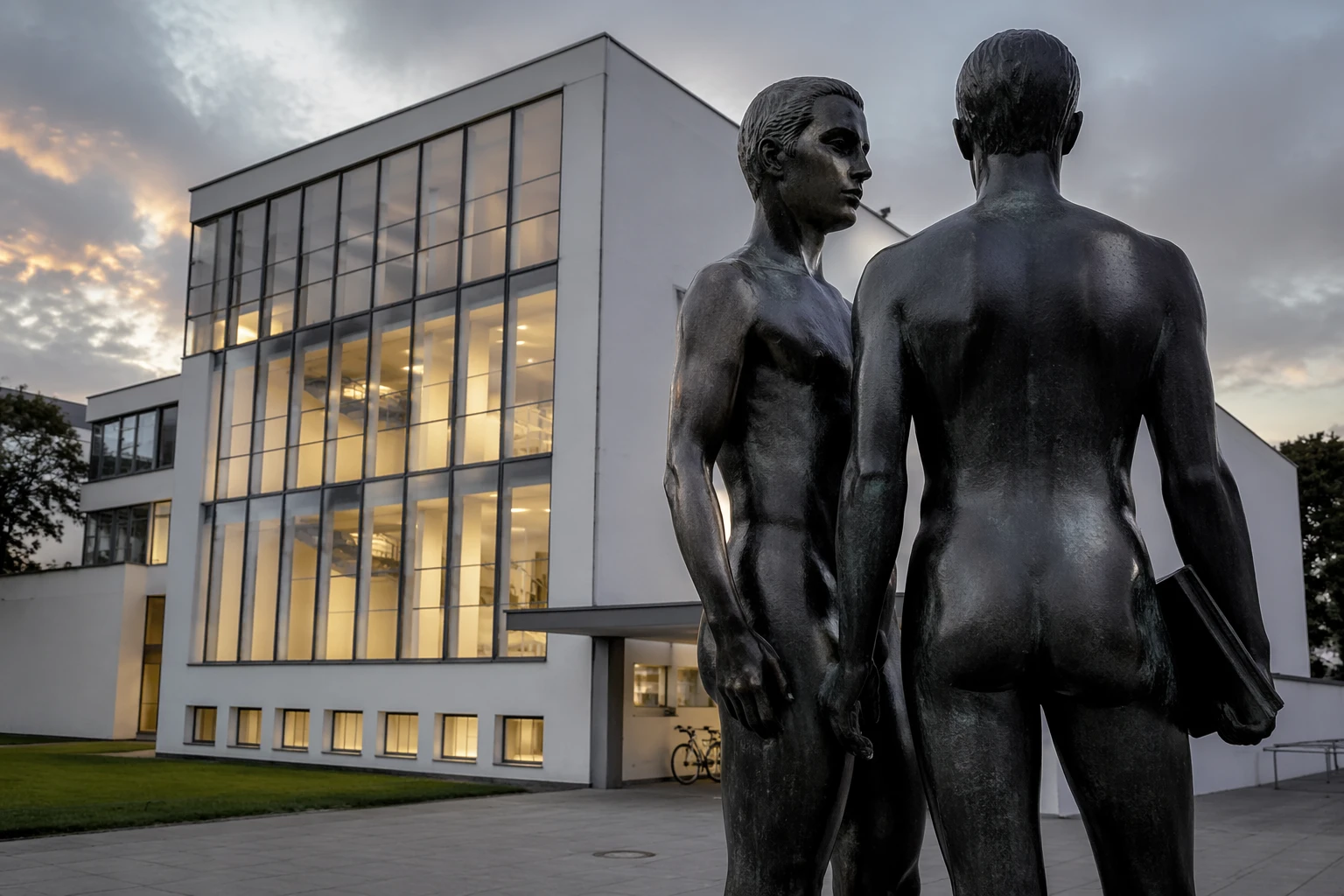
The contest is also moving beyond museums and into institutions that shape daily public life. Schools, cultural sites and local heritage institutions in the region could be pulled into a debate over funding, legitimacy and how public memory should be presented. That gives the issue a practical edge: it is no longer just about how Bauhaus is interpreted, but about which institutions receive political support and which stories they are expected to tell.
The wider stakes extend beyond Saxony-Anhalt. The campaign reflects a broader European pattern in which far-right parties use culture-war politics to mobilize voters who feel ignored by mainstream politics. In this case, the argument reaches into museums and heritage rather than stopping at immigration or schools, showing how identity politics can move into new terrain when a party is trying to convert cultural grievance into governing power.

For mainstream parties, the challenge is not only to defend Bauhaus as a historic German asset, but to answer the AfD’s larger claim that national identity should be narrowed to one political and cultural definition. If the far right succeeds in making a modernist design school a ballot-box issue, the election in Saxony-Anhalt will say as much about Germany’s cultural fault lines as about its political ones.