Lifestyle
Germany’s Harz mountains keep a thousand-year-old charcoal tradition alive
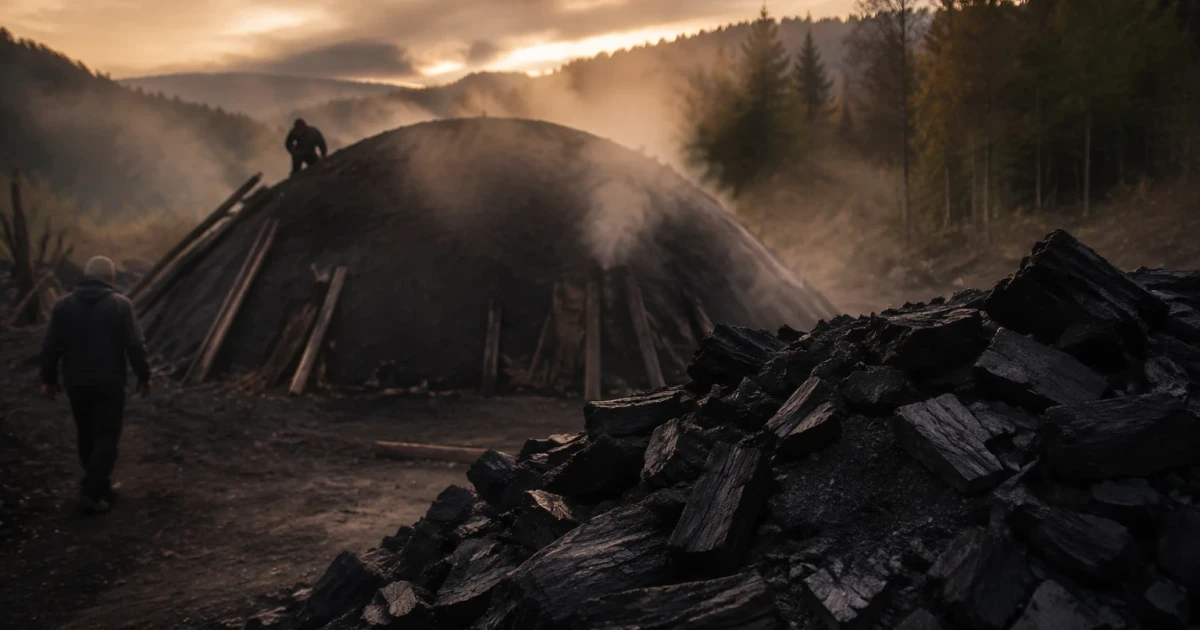
Deep in Germany’s Harz mountains, brothers Immo Feldmer and Sascha Feldmer still turn beech wood into charcoal near Hasselfelde, keeping a tradition with roots that stretch back about a thousand years. The finished product is weighed, bagged and sold for home grilling, a small but real market that shows how a once-essential forest trade has become a heritage livelihood. What survives now depends on skill, patience and a landscape willing to give up wood without giving up its forests.
A craft shaped by forests and mining
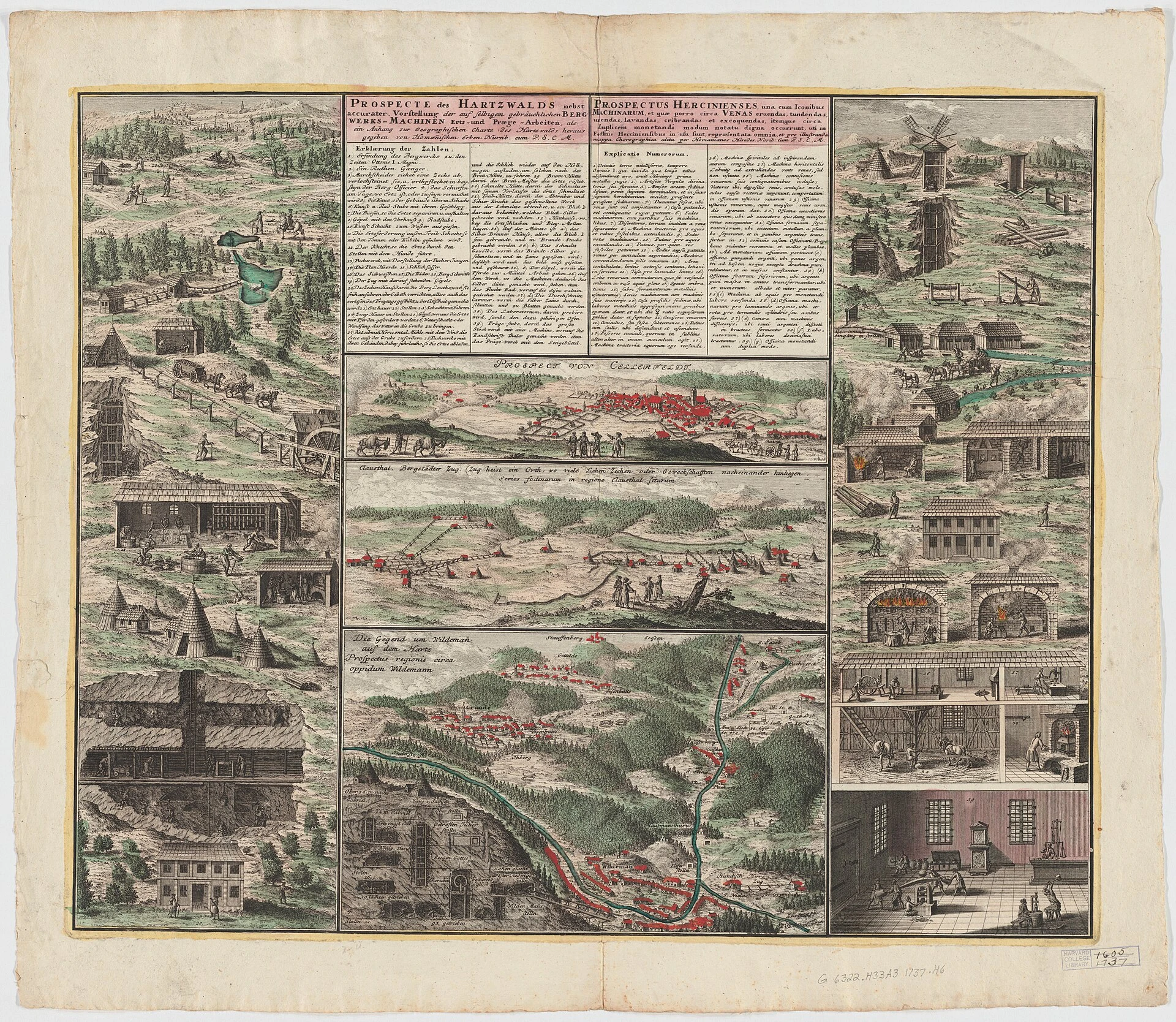
Charcoal burning once sat at the center of local life in the Harz region. Over the centuries, hundreds of families earned their living from the trade, converting wood into fuel for metalworking, heating and other uses long before industrial energy took over. Ore is no longer mined there, and that change helps explain why the craft has shifted from economic necessity to cultural practice.
The broader Harz landscape makes that transition easier to understand. The region is tied to forests, mining history and traditional livelihoods, and UNESCO’s World Heritage listing for the Mines of Rammelsberg, Historic Town of Goslar and Upper Harz Water Management System underscores how deeply extraction and woodland management shaped the area. Charcoal burning belongs to that same historical world, even if its place in the economy is now far smaller.
Inside the mound
At the family-run production site near Hasselfelde, the process is still slow and physical. A photograph taken Thursday, June 18, 2026, showed the brothers weighing the finished charcoal and packing it into paper bags, a reminder that this is not only a demonstration of old skills but a working small-scale business.
The inside of the mound is tightly stacked with beech wood, which smolders for weeks before becoming charcoal. That slow burn follows the old method of dry distillation, in which wood is heated without oxygen until it chars into mostly pure carbon. The work requires careful tending, because the mound has to burn evenly if the finished fuel is going to come out usable.
That technical patience is part of what makes the craft so hard to replace. Modern fuel markets reward speed and scale, while charcoal burning rewards attention, local knowledge and a willingness to wait weeks for a single batch. The result is a product that carries the imprint of the place where it was made.
From industrial fuel to heritage commodity
The economics of the trade are now narrow, but they are not imaginary. The charcoal is still sold, including for home grilling, which gives the craft a modest retail outlet beyond its heritage value. That shift matters: a tradition survives more easily when it can earn money without trying to compete with mass production.
The Harz example shows how an endangered craft can remain alive without becoming large. It does not need to feed a mining economy anymore, and it no longer supplies the furnaces that once depended on it. Instead, it survives through direct sales, family continuity and the appeal of seeing a difficult process carried out by hand in the forest.
A cultural practice with environmental limits
Traditional charcoal production is inseparable from the question of land use. It depends on wood, which means any revival has to sit inside forestry rules, conservation goals and the practical limits of what a forest can give without being stripped. That tension is part of the story in the Harz: the craft is romantic, but it also lives or dies by careful stewardship.
Austria has already treated charcoal burning as a protected living tradition rather than a dead relic. The Austrian UNESCO Commission inscribed charcoal burning as intangible cultural heritage in 2011 and describes it as dry distillation, the heating of wood under the exclusion of oxygen over a period of weeks. That recognition offers a useful comparison for the Harz, where the value of the practice lies not only in the finished charcoal but in the skill of making it.
What keeps the trade going
The Feldmers’ mound points to a survival model that is practical, not sentimental. Family labor keeps the method intact, visitors give the site a heritage appeal, and the bagged charcoal creates a small market that makes the work worth doing. The scale is modest, but the combination of production and presentation gives the trade a foothold in a modern economy that otherwise leaves little room for labor-intensive craft.
That is why the Harz charcoal tradition reads less like a museum display than a carefully maintained living trade. It endures because people still stack the wood, watch the burn, weigh the fuel and sell the result, all within a region whose forests and extraction history remain visible in the landscape. In the Harz, survival is not abstract preservation. It is a daily decision to keep making the charcoal.
Sources
- [1]apnews.com
- [2]usnews.com
- [3]washingtonpost.com
- [4]unesco.at
- [5]whc.unesco.org