World
Germany’s Helsing scales AI strike drones for Ukraine amid setbacks
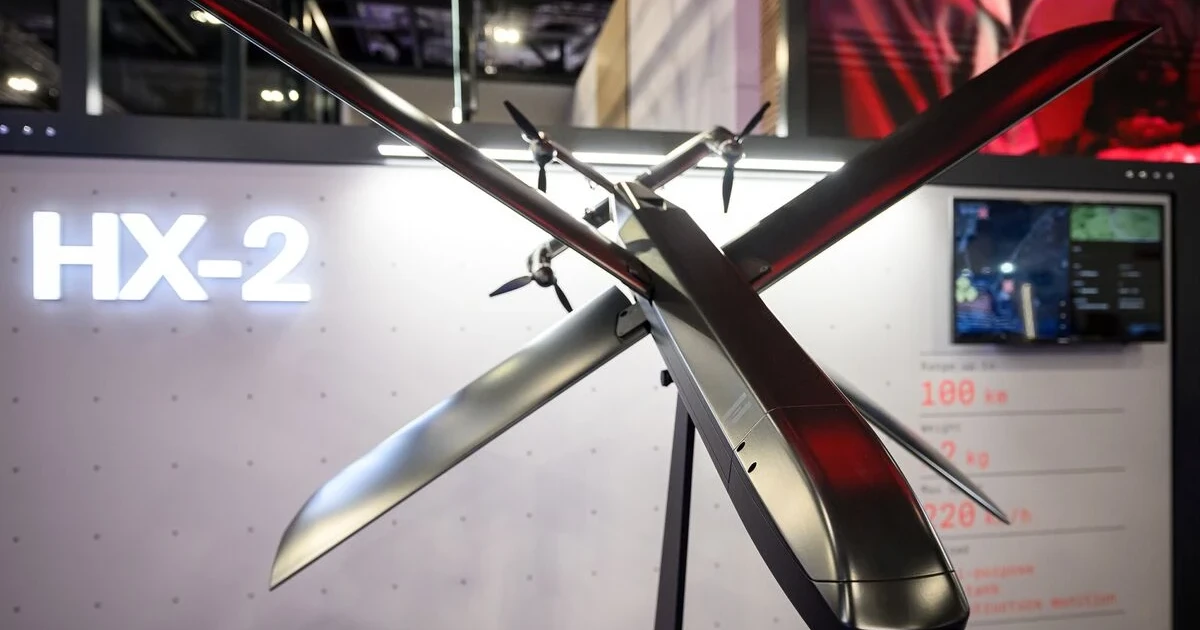
Helsing said its first Resilience Factory in southern Germany could produce more than 1,000 HX-2 strike drones a month for Ukraine, pushing a Munich startup into industrial-scale weapons manufacturing. On Feb. 13, 2025, the company said it would build 6,000 HX-2s after an earlier order for 4,000 HF-1 drones.
Founded in 2021 in Munich by Gundbert Scherf, Torsten Reil and Niklas Köhler, Helsing moved from AI software for battlefield analysis into strike drones and other military systems. That shift matters because it shows how defense spending is moving toward software-driven, mass-produced weapons made by venture-backed firms, not just by traditional arms contractors. Helsing has become one of Europe’s most valuable defense-tech startups as investors have poured money into a market reshaped by the war in Ukraine.
The HX-2 is central to that bet. Helsing described it as an electrically propelled X-wing precision munition with a range of up to 100 kilometers, and said onboard AI helps it resist electronic warfare. That feature set is designed for Ukraine’s battlefield, where heavy Russian jamming has made drone navigation, targeting and survivability as important as speed or payload.
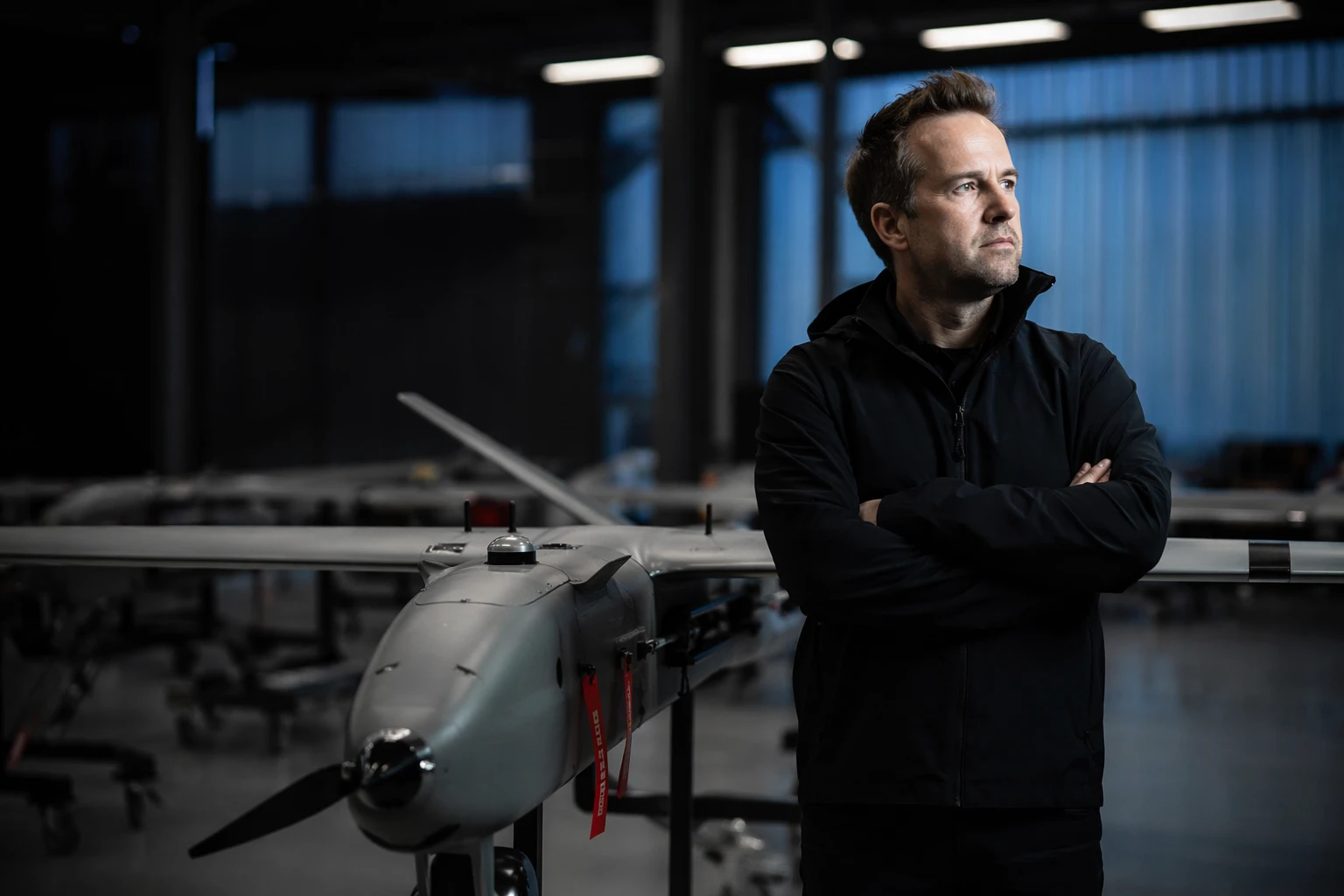
But the rollout has not been flawless. In 2026, Ukrainian reporting said the military held off on additional orders after frontline testing exposed technical problems, while other coverage said Helsing was adapting the drones after criticism from Ukrainian users. The tension is revealing: the same battlefield that has accelerated demand for cheap drones is also exposing how hard it is to turn software-heavy systems into reliable hardware under fire.
Germany is now moving in parallel. Berlin has planned a €267.7 million purchase of Helsing drones for the Bundeswehr, tying the company’s production line to Germany’s own military buildup. With Ukraine still dependent on drones in an environment of intense electronic warfare, and with Europe looking for faster, more localized weapons production, Helsing’s factory model is becoming a test case for how the next round of rearmament will be financed, built and fought.
Sources
- [1]nytimes.com
- [2]helsing.ai
- [3]politico.eu
- [4]dw.com
- [5]kyivpost.com