Business
Germany's unemployment falls unexpectedly below 3 million in June
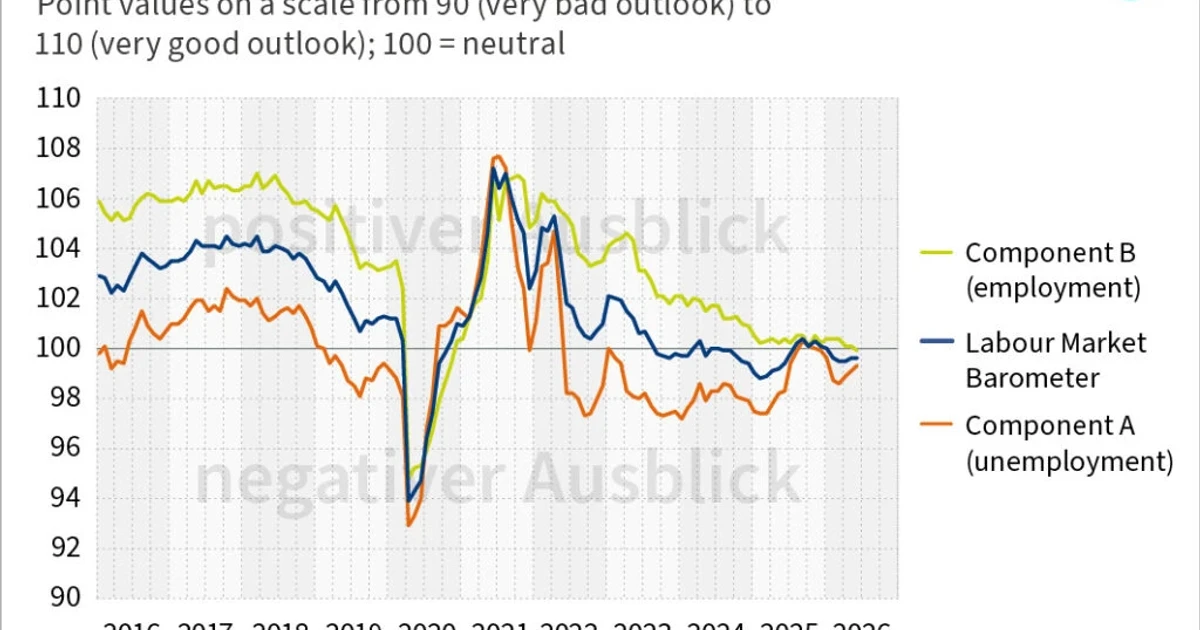
Germany’s unemployment fell unexpectedly in June, with the seasonally adjusted number of jobless people dropping by 1,000 to 2.984 million and slipping below the 3 million threshold. The Federal Employment Agency said the move beat a Reuters poll forecast for a rise of 7,000, a small but notable improvement in Europe’s largest economy after months of anxiety about stagnation.
The agency said the seasonally adjusted unemployment rate held at 6.3%, while the unadjusted count fell by 15,000 to 2.94 million. It also registered 648,000 job openings in June, 16,000 more than a year earlier, a sign that labor demand has not disappeared even as firms remain cautious about hiring. Underemployment eased by 8,000 seasonally adjusted to 3.605 million, and employment subject to social security contributions continued its slight downward trend, a reminder that the labor market is still soft rather than strong.

Andrea Nahles, who heads the Federal Employment Agency, said there was little sign of change in the labor market and that unemployment was falling only slightly. That caution matters because June’s drop came against a weak backdrop. Germany’s average number of unemployed people in 2025 rose by 161,000 to 2.948 million, the highest annual figure since 2013, and the European Commission said the economy expanded just 0.2% in 2025 after two years of recession. In April 2026, short-time work was paid to an estimated 133,000 employees, down 17,000 from March and 101,000 from a year earlier, showing how many companies are still trying to bridge a fragile demand environment rather than expand payrolls.
For the eurozone, the numbers offer a modest sign that Germany may be stabilizing rather than sliding deeper into weakness. That could help household spending in the bloc’s biggest economy and support broader regional growth, even if factories and exporters remain under pressure from trade uncertainty and energy costs. It may also temper expectations for faster European Central Bank easing, while giving global markets a slightly firmer view of European demand.
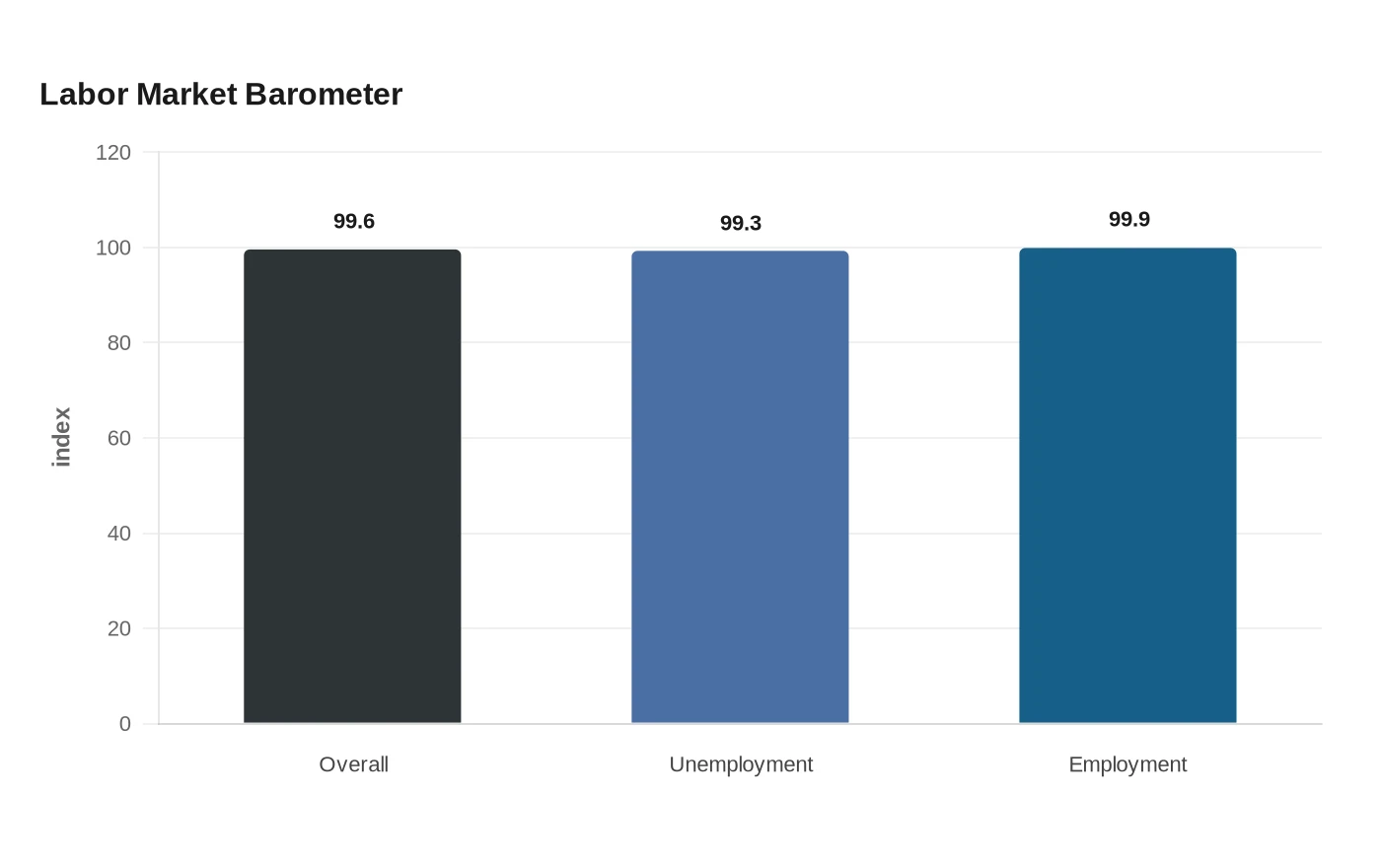
The Institute for Employment Research reinforced that subdued picture in its June 2026 labor market barometer, which stood at 99.6 overall, with the unemployment component at 99.3 and the employment component at 99.9. Taken together, the data point to a labor market that is still fragile, but not deteriorating as quickly as feared.