World
Ghalibaf defends Iran talks as ceasefire and succession tensions rise
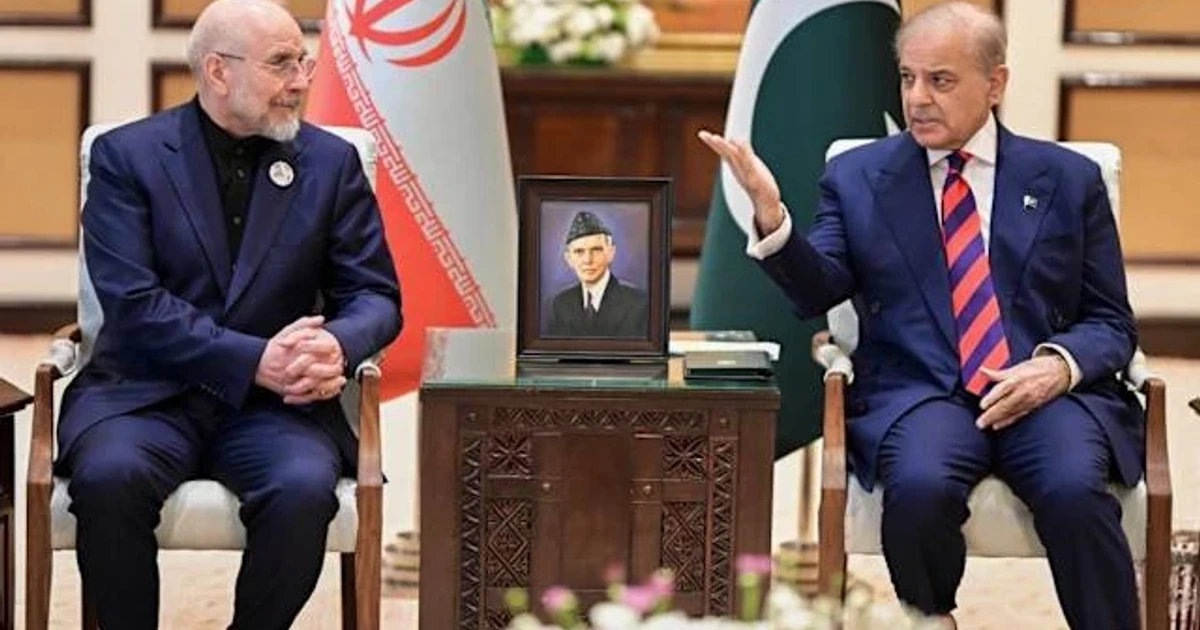
Mohammad Bagher Ghalibaf said Iran had “no reason to adhere to such an understanding” if the memorandum with Washington failed to deliver real gains, even as he defended diplomacy as a form of struggle rather than surrender. The parliament speaker’s comments captured the split inside Iran’s political system: one camp wants the June 17 U.S.-Iran understanding to produce sanctions relief and a breathing space after weeks of fighting, while anti-negotiation hard-liners warn that any opening with Washington risks weakness.
The memorandum, signed on June 17, set a 60-day negotiating period meant to halt hostilities and reopen the Strait of Hormuz. It also laid out talks on Iran’s nuclear and missile programs, sanctions, and freedom of navigation in the strait, a chokepoint for global energy shipments. Ghalibaf has framed those talks as a test of strength, saying Iran is willing to pursue diplomacy while staying ready for war if needed. He has also stressed that the talks are not between friends, but between adversaries.
That message has become more pointed as Iranian and U.S. delegations held indirect technical talks in Doha in early July, with Qatar, Oman, Turkey, Saudi Arabia and Pakistan involved as mediators. The discussions were tied to monitoring ceasefire violations and to frozen Iranian assets, two issues that will determine whether the agreement can move beyond a pause in fighting. The practical question now is whether the Doha channel can turn the memorandum’s broad language into enforceable steps on navigation in the strait and access to blocked funds.
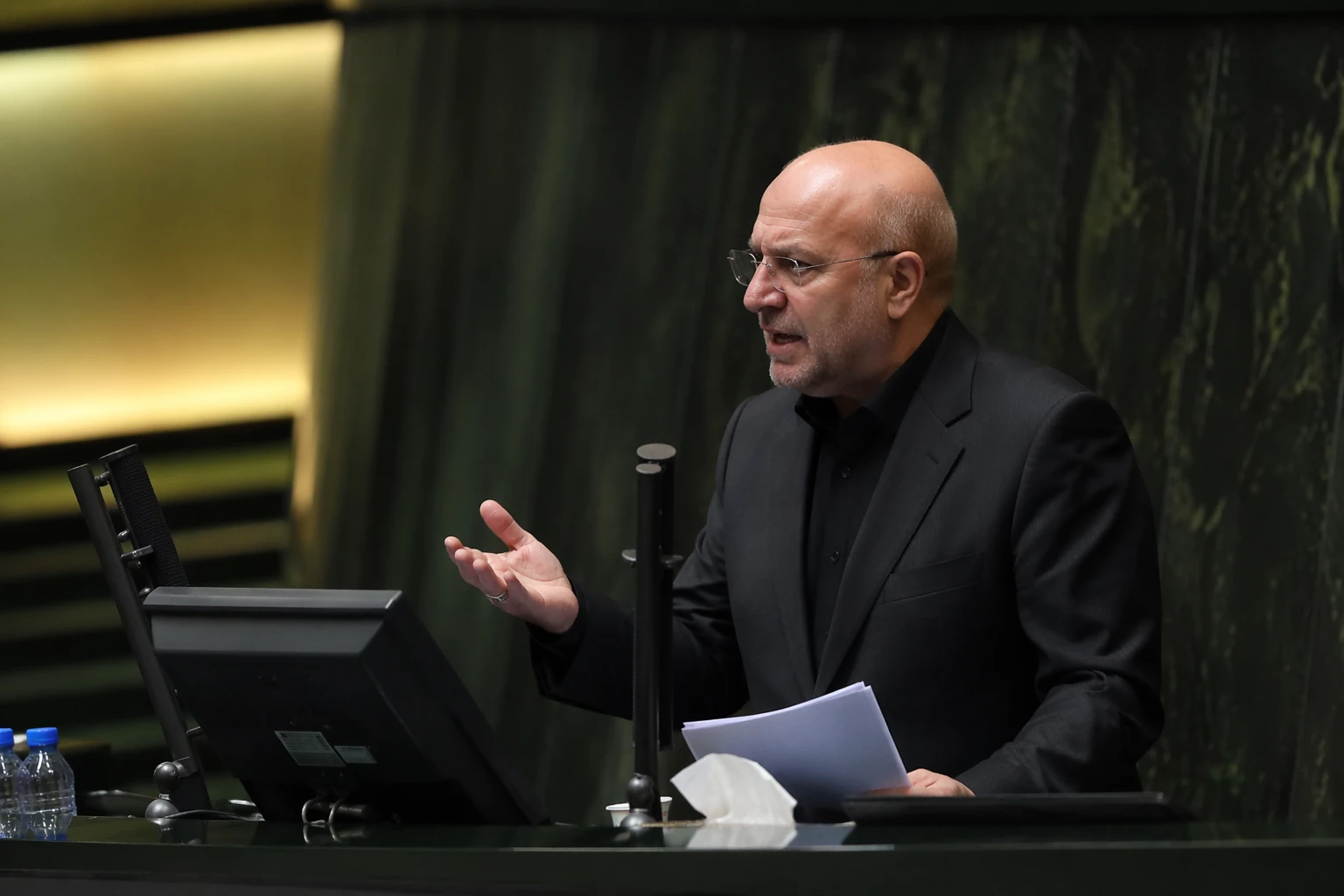
The domestic stakes are just as high. The Institute for the Study of War said Ghalibaf’s June 30 interview appeared aimed at building intraregime support for the memorandum amid backlash from the anti-negotiation camp. That split matters because Ghalibaf, by defending talks, gives cover to officials who want to preserve the opening; his critics lose ground if the process yields relief or a visible de-escalation. If it fails, hard-liners will argue that Washington never intended to deliver.
The broader political backdrop is fragile. After intense U.S.-Iran exchanges of fire in June and early July, Iran entered a period of national mourning after the funeral procession for late Supreme Leader Ali Khamenei began in Tehran on July 4 and was scheduled to end with burial in Mashhad on July 9. In that atmosphere, a concrete step such as a verified mechanism for reopening the Strait of Hormuz or releasing frozen assets would show the talks are more than tactical messaging. Without that, the ceasefire and the diplomacy around it will remain exposed to the same internal pressures that made them possible.